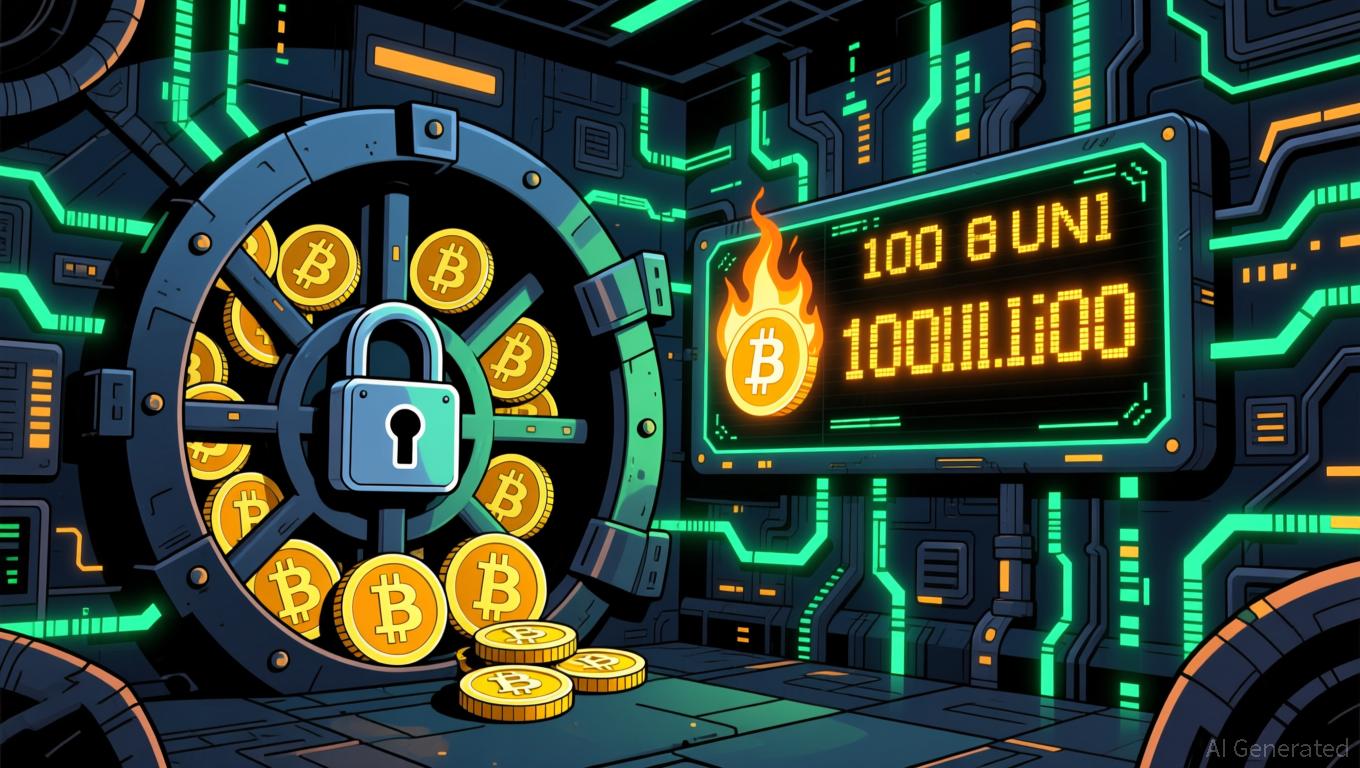
- Uniswap governance approved the UNIfication proposal to activate a protocol fee switch, redirecting trading and sequencer fees to burn UNIUNI-- tokens and establish deflationary tokenomics.
- An initial burn of 100 million UNI tokens will occur following a two-day timelock, representing historical fee estimates since the token's launch .
- Global markets are adjusting to de-escalating Middle East tensions, shifting investor sentiment away from safe-haven assets and toward fundamental economic drivers .
- Rising geopolitical friction and elevated oil prices continue to pressure emerging markets, including the Indian rupee, creating a complex macroeconomic backdrop.
- The Brics bloc is advancing deeper financial integration to mitigate global uncertainty, signaling a structural shift toward non-dollar trade mechanisms.
Uniswap governance has overwhelmingly approved the UNIfication proposal, marking a fundamental shift in the protocol's economic model toward deflationary tokenomics . The vote saw more than 125 million tokens cast in favor, with only 742 against, confirming a strong consensus for the changes introduced by UniswapUNI-- Labs and the Uniswap Foundation . The core mechanism of this proposal is the activation of the protocol fee switch . Previously, trading fees were allocated entirely to liquidity providers . Under the new model, a portion of these fees will be redirected to the protocol specifically for burning UNI tokens . Additionally, net sequencer fees from Unichain will be routed into this burn system . This creates a deflationary loop where increased protocol usage directly reduces the UNI supply . Following a two-day timelock, the protocol will execute an initial burn of 100 million UNI tokens . This figure represents an estimate of tokens that would have been burned if the fee switch had been active since the token's launch .
The proposal also consolidates operations by transitioning Uniswap Foundation teams to Uniswap Labs . This move removes fees from the Labs interface, wallet, and API services to maintain decentralization principles . Founder Hayden Adams views this as a step toward Uniswap becoming the primary venue for token trading . The shift comes amidst a changing regulatory climate, with the protocol noting that DeFi has reached an inflection point for mainstream adoption . Uniswap generated over $1.05 billion in fees during 2025, demonstrating robust usage that supports the viability of this new fee-based, deflationary model .Quick Backtesting Tool
How Is Global Macro Sentiment Shifting for Digital Assets?
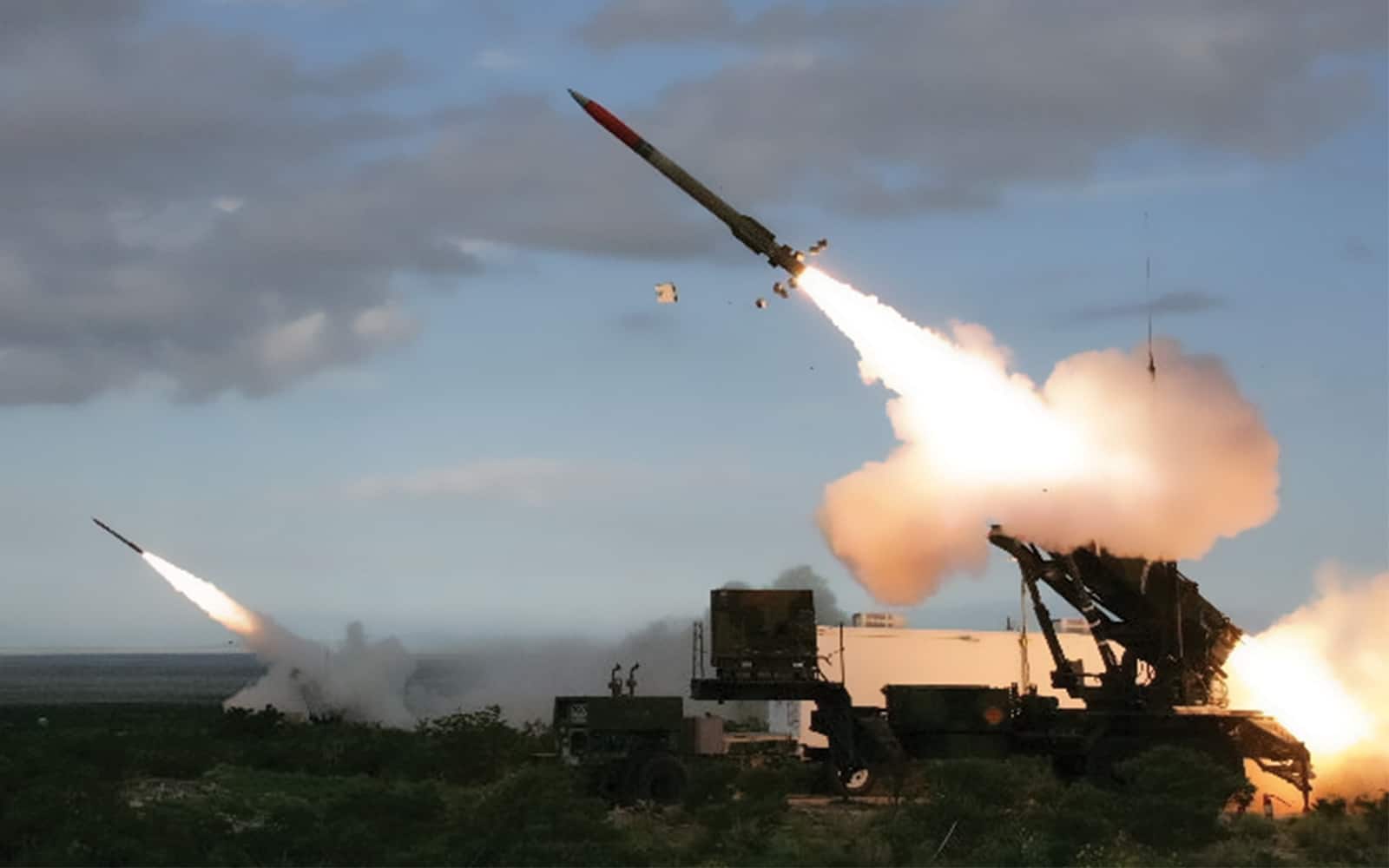
Global financial markets are undergoing a rapid adjustment phase driven by indications that Middle East tensions are de-escalating. This shift in geopolitical risk perception has triggered a reversal in key safe-haven asset flows, with investors moving capital away from traditional defensive instruments . The reduction in immediate conflict risks is allowing markets to price in a more normalized supply environment, particularly for energy commodities . This sentiment shift reflects a broader investor reassessment of regional stability, suggesting that the premium previously attached to geopolitical uncertainty is diminishing . Consequently, market volatility linked to Middle Eastern developments is expected to moderate, enabling a focus on fundamental economic drivers rather than crisis-driven speculation .
However, the macroeconomic landscape remains sensitive to external shocks. Recent developments involving the Houthis opening a new front in the Middle East conflict have significantly impacted oil markets, leading to a sharp rise in crude prices . This geopolitical escalation has sparked serious concerns about potential disruptions to oil supplies from the region, which remains a critical supplier for global energy needs . The Brent crude benchmark has experienced heightened volatility, reflecting the market's sensitivity to these unfolding events . Historical data suggests that such conflicts consistently drive price hikes, and the current trajectory indicates a 25% increase in the likelihood of crude oil reaching a new all-time high by late September . Investors are closely monitoring OPEC’s potential response and production adjustments, as well as statements from key figures .
The ripple effects of elevated oil prices are already visible in emerging markets. The Indian rupee (INR) is under significant pressure as elevated global oil prices and ongoing geopolitical friction in the Middle East dampen investor confidence . The situation was intensified by US attacks on Iranian tankers and Tehran’s threat to establish a new restricted zone outside the Strait of Hormuz . Consequently, the INR opened at Rs 94.49 per dollar and dipped to a low of 94.69, continuing a downtrend from the previous close of 94.56 . This currency weakness, coupled with lower openings in local equities, weighed on the BSE Sensex and NSE Nifty 50 indices . However, the rupee has remained range-bound despite these heavy external pressures, supported by the Reserve Bank of India’s (RBI) active dollar sales and robust foreign-currency inflows under special schemes . The interplay between rising import costs from higher oil prices and central bank interventions defines the current market dynamic for the Indian currency .
What Structural Changes Are Emerging in Global Finance?
Amidst these geopolitical and macroeconomic shifts, the Brics bloc is moving beyond consultation to establish concrete commercial mechanisms. Brics leaders have signaled a strategic pivot from diplomatic consultation to the development of tangible economic mechanisms, aiming to convert geopolitical potential into measurable commercial value . Key drivers for this integration include the expansion of intra-Brics trade and the establishment of cross-border market integrations, particularly in energy, food, and transport supply chains . A primary focus is the reduction of reliance on external financial systems through the increased use of national currencies in trade . To manage associated currency risks, member states are discussing the creation of instruments for reciprocal settlements .
Furthermore, there is a strong push to transform the New Development Bank (NDB) into the principal engine for infrastructure development by providing dedicated credit lines . Specifically, Iran has proposed the establishment of a Brics joint reinsurance company with an initial capital of $10 billion . This mechanism aims to cover risks for major infrastructure and energy projects, thereby increasing private sector confidence in investing within the bloc . This move addresses a critical barrier to capital flow in developing member economies . The broader context suggests that Brics is at an inflection point, seeking to institutionalize partnerships that reduce vulnerability to global uncertainty . By focusing on structural economic ties rather than just political alignment, the bloc aims to create a self-reinforcing ecosystem of trade and investment .
For digital asset investors, the approval of the Uniswap fee switch represents a significant internal evolution for a leading decentralized exchange . The deflationary mechanism introduced by the 100 million token burn could alter the supply dynamics of UNI, potentially impacting valuation metrics as trading volumes increase . However, the broader market environment remains influenced by traditional macro factors, including energy prices and geopolitical stability . As investors adjust portfolios away from defensive assets, the focus on fundamental economic drivers may benefit established protocols like Uniswap that demonstrate robust usage and fee generation . The convergence of DeFi maturation and shifting global financial architectures highlights the increasing complexity of the digital asset landscape .