JSW talks look more like damage control than a classic expansion move
Volkswagen is in advanced talks with JSW Group that could bring fresh capital into its India business in the coming weeks. The setup looks less like a proud growth expansion and more like a rescue effort with possible upside.
The pressure is clear. India remains a strategic market for VW, but the unit's position is weak: Reuters reports about 2% market share and a dispute over imported components that has led to India's biggest-ever import tax demand of $1.4 billion. Add in internal restructuring and leadership changes, and the India operation looks more like a problem to be managed than a standout growth engine.
What a JSW stake could change - and what it likely cannot
VW is in advanced talks with JSW Group for an investment in its closely held India unit. If a deal closes, the main test will be whether it changes day-to-day execution fast enough while the business is still dealing with restructuring its business in India and a major tax fight.
Quick Backtesting Tool
Where local backing could help
- Capital and investment capacity: Reuters says JSW would infuse fresh capital and bolster its local unit in India, which could help fund manufacturing upgrades, product adaptation, and VW's EV push without putting as much pressure on the parent company.
- Decision-making and operating speed: VW has already seen close to 10 senior level executives leave the local team and has hired external experts to review systems and processes. A local partner could help shorten decision chains and improve follow-through.
- Local relationships and scale: If the deal moves forward, JSW's standing in India could help with hiring, compliance, supplier coordination, and government relations at a time when VW is still contesting a massive tax claim.
Where a partner cannot do the heavy lifting
A partner can improve operations, but it cannot create demand on its own. India's auto market is highly competitive, and brand perception still matters. Some social-media commentary around the deal has already flagged concerns that the brand is expensive to maintain, a reminder that operating in India also means dealing with tough customer expectations.
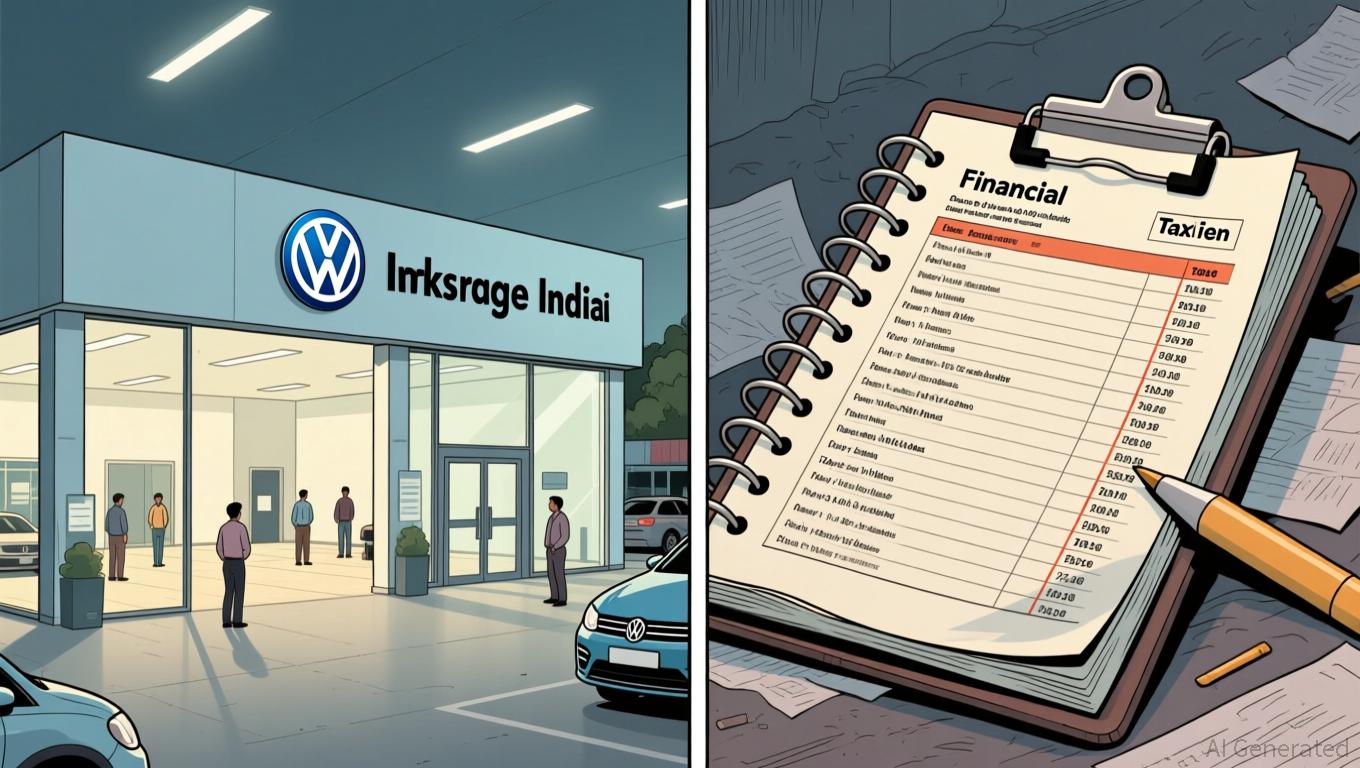
The practical test is simple: after a JSW investment, does the unit make faster decisions, spend more effectively, and sell more cars without the tax case dominating the story? If yes, the partnership has real value. If not, the deal may do more for balance-sheet plumbing than for the core business.
What would make this more than a headline trade
Investors should focus less on the romance of the partnership and more on visible changes in the business.
Signals to watch
- A completed JSW investment in the closely held India unit after advanced talks;
- A clear explanation from VW of how capital and local expertise would change the India strategy;
- Signs that the review brought by external experts is turning into action rather than staying an internal exercise;
- And, most importantly, evidence that demand is improving enough to lift dealer turnover and production utilization.
Savior deal or discounted risk-transfer?
The bullish case is straightforward: if JSW brings capital, local knowledge, and faster execution, VW's struggling India unit could become more viable and less of a drag over time.
The bearish case is also plausible: if the unit is tied to serious tax exposure and weak demand, a stake sale may look less like a growth step and more like a way to share risk. In that reading, the market may not award the business a growth multiple regardless of who sits beside VW.
For now, the right stance is cautious. If the deal closes and produces cleaner execution and better demand, the story can improve. If not, it remains an interesting headline rather than a clearly investable turnaround.