Koppers got revenue growth back, but margin repair is still the issue
In the second quarter, KoppersKOP-- returned to revenue growth, with net sales rising to $520.1 million, up 3.0% year over year. Core organic sales also increased 5.1%, and the company broke a four-quarter streak of revenue declines. That is the constructive part of the quarter: demand has not broken, and the sales line has stabilized.
The profit picture is the bigger concern. Adjusted EBITDA fell 7.9% to $71.0 million, and GAAP results included a net loss of $147.5 million, largely driven by $215.8 million of impairment, restructuring, and plant-closure costs. The takeaway is straightforward: revenue is improving, but profitability still needs help.
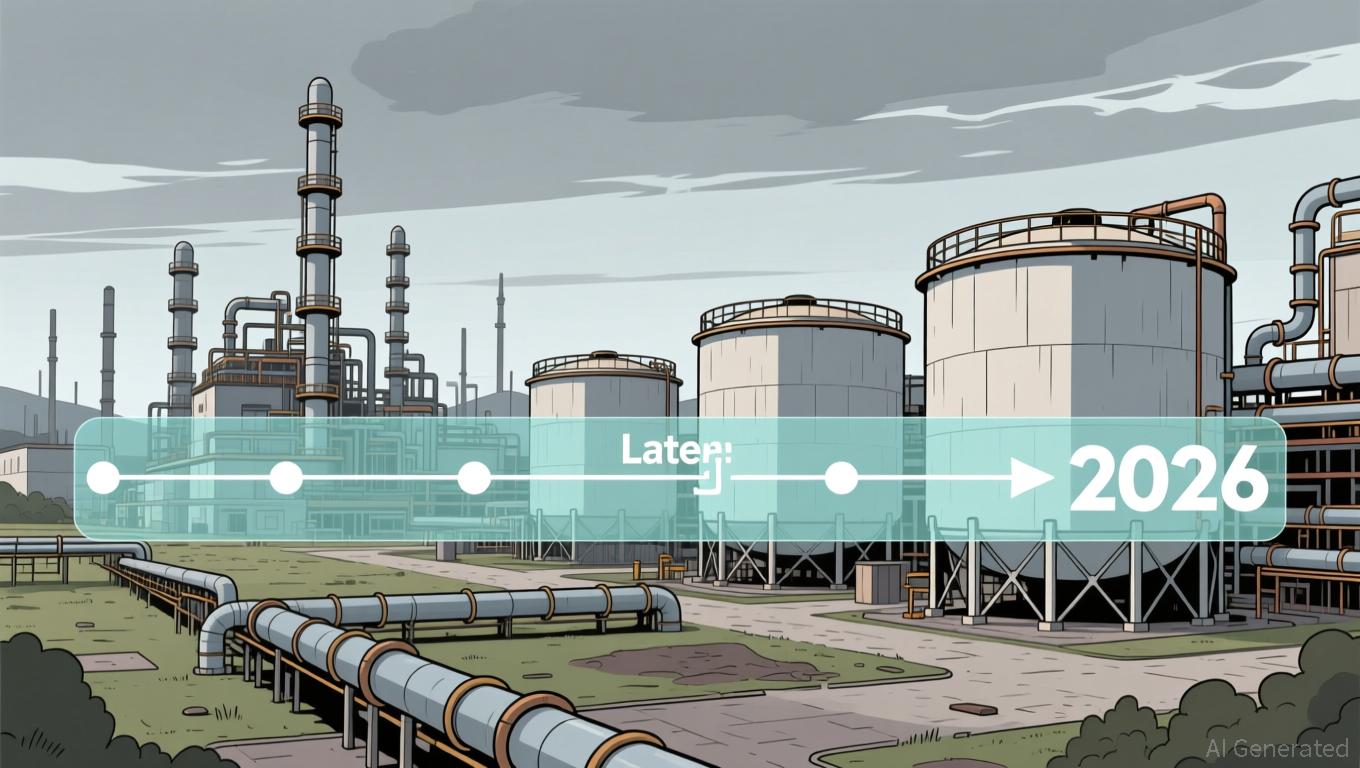
That is where the Stickney timeline matters. Management now expects the shutdown to move to the end of September, which means investors still do not have a clean read on run-rate profitability. If sales remain firm and these cost pressures ease, the operating picture could improve quickly. If not, the quarter looks less like a clean turnaround and more like a business still fighting input-cost pressure.
Quick Backtesting Tool
Why the Stickney timing change matters more than the headline suggests
When Koppers first outlined the Stickney plan in May, it anticipated winding down by December 31, 2026 and was tentatively targeting a fourth-quarter 2026 production shift to Denmark. That timeline has now moved to the end of September.
The delay pushes more of the reset into 2026
A later shutdown means more months of disrupted operations within the current fiscal year and less time for the remaining footprint to settle before year-end. Even though the major impairment and closure charges were already recognized this quarter, a later close can still affect the quality of the handoff into the back half of the year.
That helps explain why the full-year EBITDA outlook was reduced even after the large one-time charge was reported.
The 2027 upside case still exists
The reason Koppers is going through this reset is that management expects it to improve profitability over time. The company said the Stickney consolidation should deliver $15 million to $20 million in annual adjusted EBITDA improvements starting in 2027. For a business that produced $71.0 million of adjusted EBITDA in the second quarter, that is a meaningful upside case.
There is also evidence that some parts of the business can still expand cleanly. In Q2, Performance Chemicals sales jumped 11.5% and EBITDA surged 31.4%. That suggests the problem is not demand across every segment; it is more about where Koppers makes money and how well it controls costs.
What investors should watch before embracing the turnaround
At about $52.81, Koppers was trading just below its 52-week high of $53. That suggests investors are already giving management some credit for the strategic reset. But a stock near its highs is not enough on its own; the next few quarters still need to show margin repair, not just better sales.
The main watchpoints
- Margins: The quarter was weighed down by higher raw-material, freight, and legal costs and unfavorable RUPS pricing.
- Cash flow: The reset is easier to support because Koppers generated record year-to-date operating cash flow of $96.3 million and record year-to-date free cash flow of $72.6 million.
- Execution: The revised Stickney timeline needs to hold, and management still has to show it can turn stabilized demand into better profitability.
For now, the cleaner stance is to wait for proof. If the September date holds and margins start to stabilize, the story becomes more credible. If not, the market may need more time before the turnaround case is truly validated.