Bond yields are moving before the Fed does
The central conflict is simple: bond prices are starting to set borrowing costs ahead of official Fed action. Even with a new chair at the Fed, traders are using the market to signal that they may not wait long if inflation and fiscal pressure look too comfortable.
How bond vigilantes push rates higher
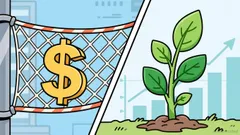
The mechanism is straightforward. When investors are uneasy about future inflation or policy credibility, they sell bonds. As those bonds are sold, bond prices fall and yields rise. That is basic market mechanics. For governments, municipalities, and highly indebted corporates, the consequence is straightforward too: higher yields make new borrowing more expensive.
What current pricing is signaling
The latest pricing suggests investors are not just braced for no cuts. Market pricing implies a 42% chance of a hike by year-end. With the Fed due on Wednesday, traders are also assigning about a one-in-three chance of a 25-basis-point hike. Inside the Fed, however, the outlook is less unified: only one policymaker saw lower rates by the end of 2026.
Quick Backtesting Tool
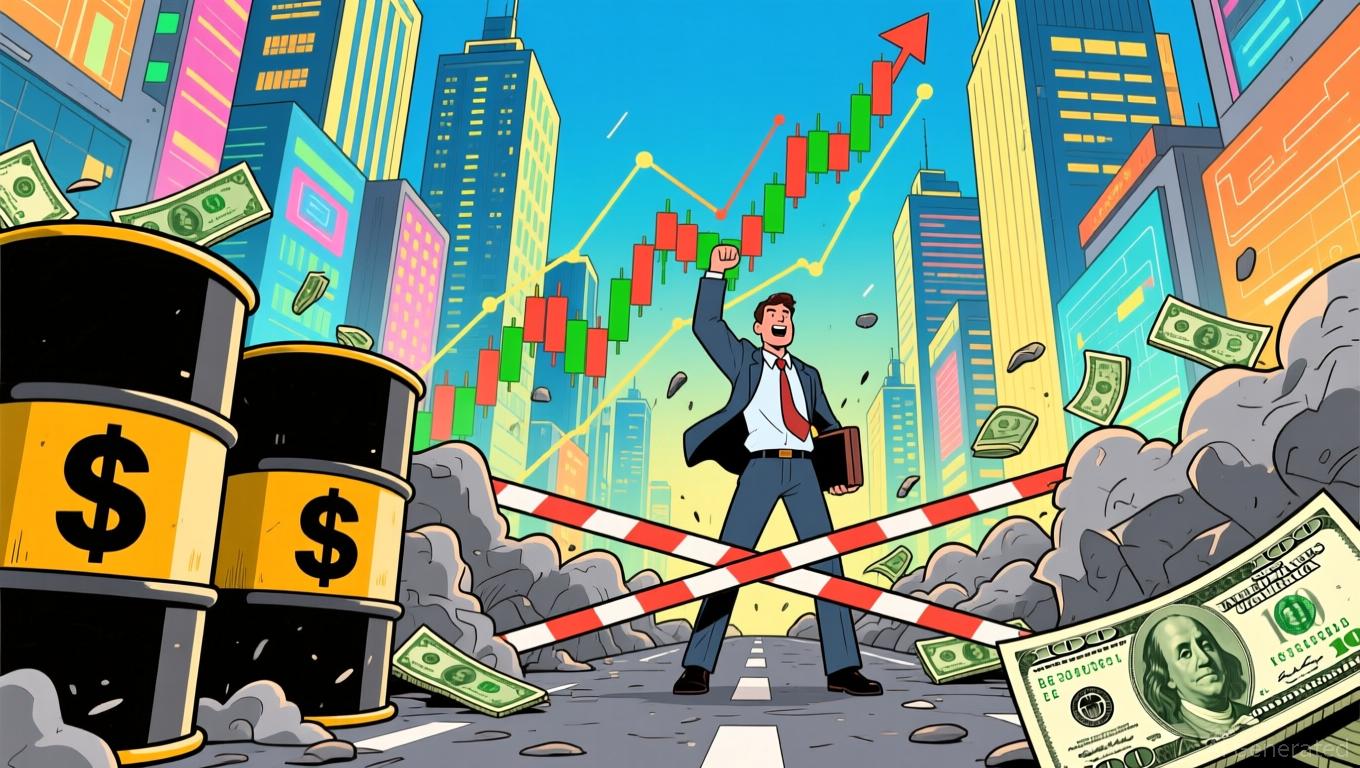
That leaves the debate fairly clear. Bears argue bond vigilantes are forcing a necessary inflation reset. Bulls argue yields are being pushed higher by war-driven oil and other short-term shocks. Either way, the market is telling the Fed that if it does not reassert control of expectations, bond investors may do it for it.
The real issue is Fed credibility, not just bond-market noise
This looks less like a random selloff than a test of credibility.
What "bond vigilante" means in practice
In plain English, bond vigilantes are investors who refuse to lend at a yield they consider adequate compensation for risk. They are not activists with a platform. They are lenders reacting to fiscal and monetary policy by lowering demand for bonds and pushing rates higher when they think borrowing is being underpriced. That turns the bond market from a background indicator into a kind of enforcer. As Ed Yardeni described it, this is investor unrest that can punish a central bank that seems too soft on inflation or too loose with its communication.
Why Warsh is under pressure from yields
The market is not reacting to data alone; it is also reacting to how it expects the Fed to behave under Warsh. He entered the role with a record of wanting a central bank that talked less and let the data speak. In calmer times, that approach can be a feature. When inflation remains elevated and debt rollover is a constant issue, less guidance can feel like less accountability.
Recent coverage links the selloff to the Fed's pared-back guidance and to concerns about Warsh's policy leanings. The broader message from investors is clear: they do not yet fully trust the new Fed leadership to defend the purchasing power of the money they are being asked to lend.
Why long-end yields matter now
The clearest sign is in the long end. Thirty-year yields reached 5.19%, while 30-year real yields hit 2.98%. Those are not trivial levels. A nominal yield near 5.19% means borrowers are being asked to pay a high price for long-dated funding. A real yield of 2.98% suggests investors are demanding a generous real return to lock up capital for three decades. In other words, inflation and term risk still do not look settled.
And the Fed may not get much credit for restraint. Analysts expect projections to keep the policy rate in the 3.50%-3.75% range this year while removing language that had hinted at more easing. That is not necessarily a calming move. It can shift the Fed from setting expectations to responding to them.
The best bull case-and its limit
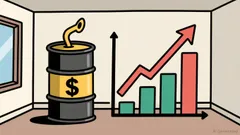
The bull case is that this selloff may be driven largely by war-related oil shocks and other temporary inflation pressures rather than a full collapse in confidence in the Fed. Recent analysis suggests the bond market may be flagging broader inflationary risks than those represented by energy prices alone, even as oil volatility muddies the signal.
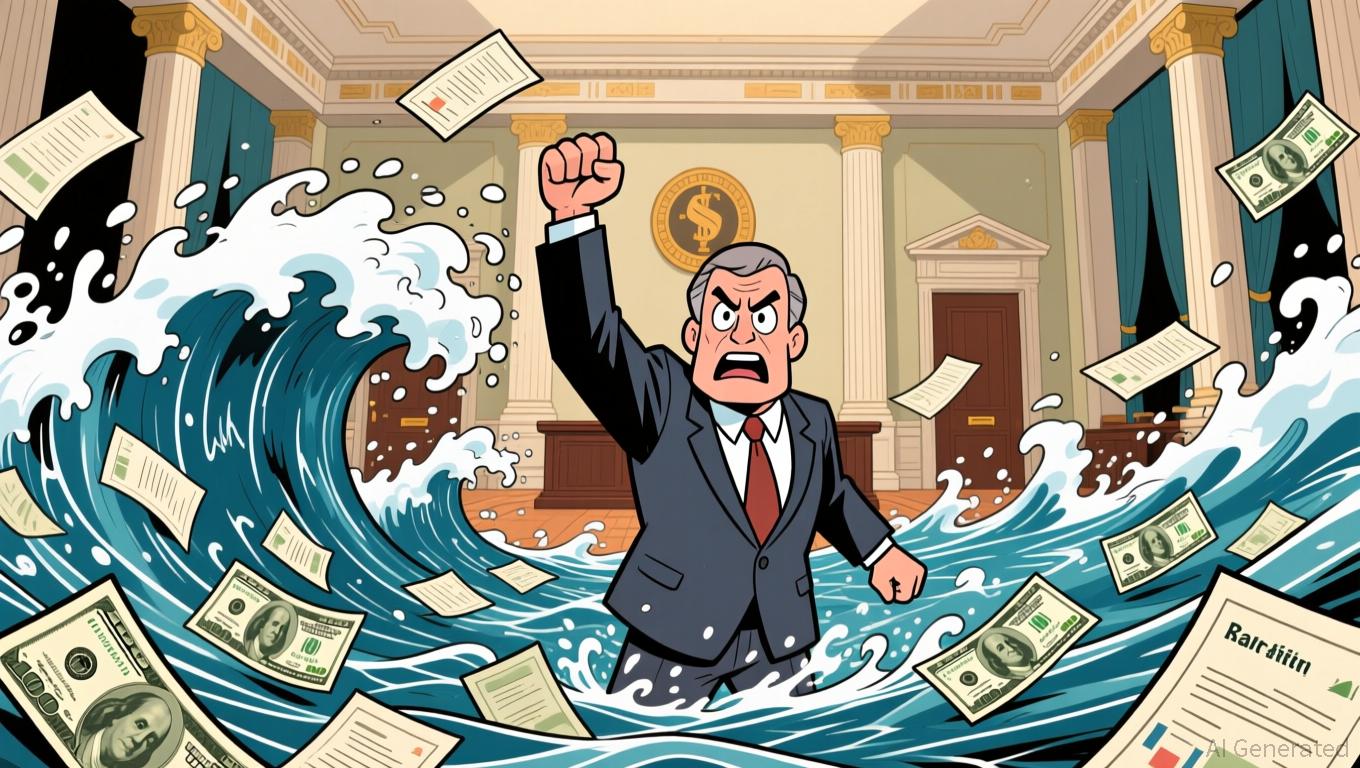
That is the key boundary condition. If the episode is mostly an energy spike, the market may overreact now and stabilize later. If Warsh cannot convince investors that the Fed will remain firm after the shock passes, however, those higher yields can stop looking like a protest and start looking like the new borrowing-cost benchmark.
What the next Fed meeting needs to show
The next checkpoint is the Fed meeting. With traders already pricing a meaningful chance of a hike by year-end, the real test is whether Warsh can show that the Fed still belongs in the driver's seat. That matters because his approach points to a Fed that talked less and let the data speak. In a jumpy market, less guidance can quickly become less credibility.
What to watch
- Whether the policy statement and projections remove the prior easing-leaning language without unsettling investors further.
- Whether Warsh's comments restore a credible bridge between Fed intent and market expectations.
- Whether Treasury demand strengthens after the release or whether yields keep climbing.
What would weaken this thesis
- If Treasury demand returns after the meeting and Warsh's remarks stop yields from running higher, the Fed is beginning to reclaim credibility.
- If markets come to believe the Fed can keep borrowing costs from drifting upward, this episode will look more like a warning shot than the start of a new debt-cost regime.