The pause cut immediate war risk, but it did not settle the broader oil story
Trump's paused strikes on Iran clearly marked this as a de-escalation trade rather than a full narrative flip. Brent fell 5.77% to $91.20 and WTI dropped 5.50% to $84.40, a sharp reaction to a headline that lowered the odds of an immediate next shock.
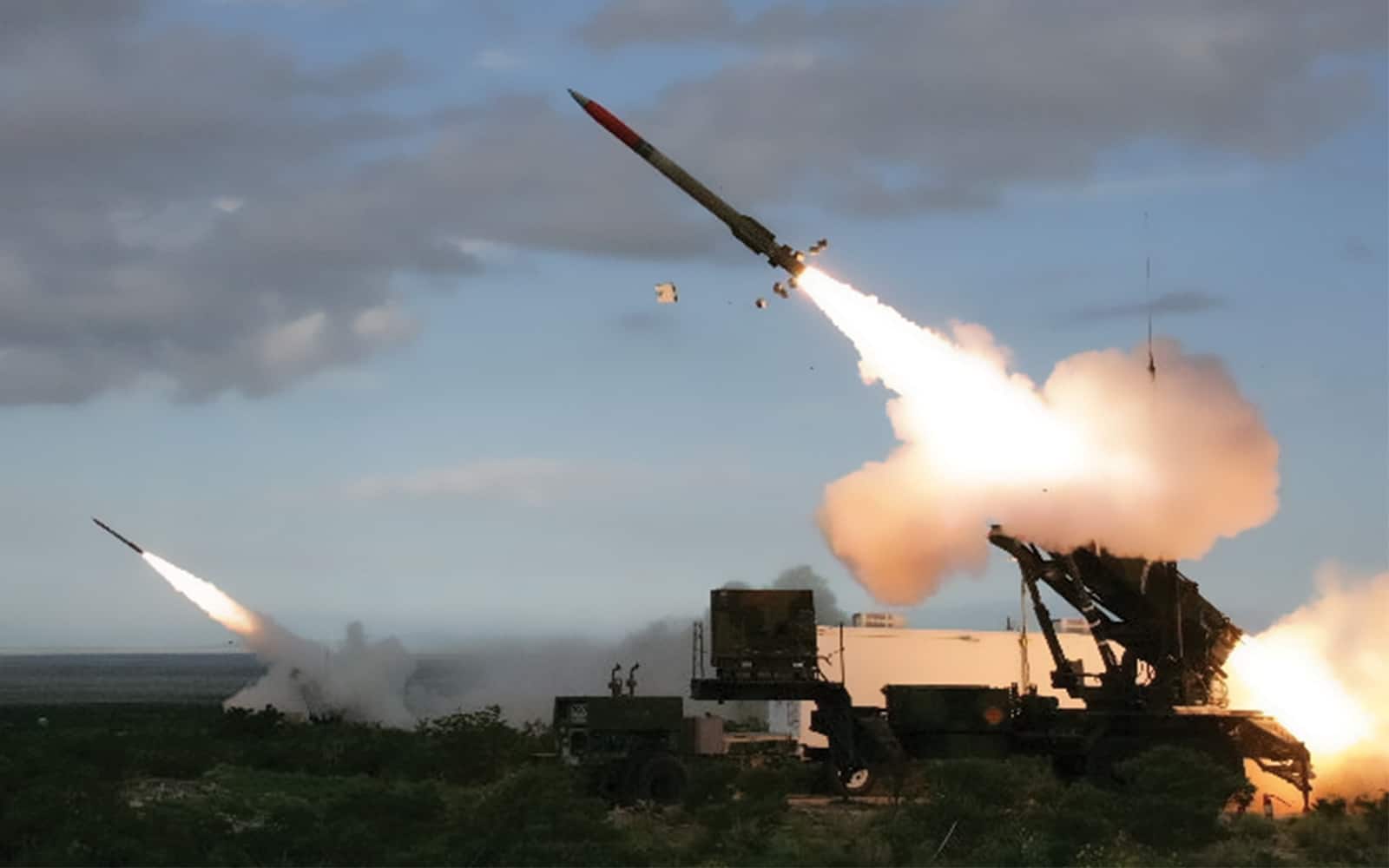
But relief rallies can reverse quickly in this conflict. The war premium was still visible when tensions flared again after U.S. and Saudi strikes in Iraq and an intercepted Iranian missile attack on U.S. forces; Brent jumped 3.6% to $87.13. That back-and-forth helps explain why the $80-$100 Brent range remains the real battleground.
The underlying trust problem also remained. Even during the prior truce, each side accused the other of violations. With Hormuz transit still unstable, any headline-driven relief can fade as quickly as it arrives.
Quick Backtesting Tool
Hormuz flow and market confidence are still driving the premium
Tanker traffic matters more than ceasefire headlines
Before the war, the Strait of Hormuz handled about a fifth of global oil supplies. The IEA said June supply recovered by only 4.1 million bpd, still leaving 9.4 million bpd below pre-war levels. As long as that gap persists and shipping stays fragile, fear can dominate pricing.
Reuters also said refineries were slower to adjust to the reopening of the strait than crude prices, while warning of tight diesel and gasoline supplies. In other words, the market is not pricing normal flow; it is pricing scarcity plus risk.
Fear is still showing up in shipping behavior
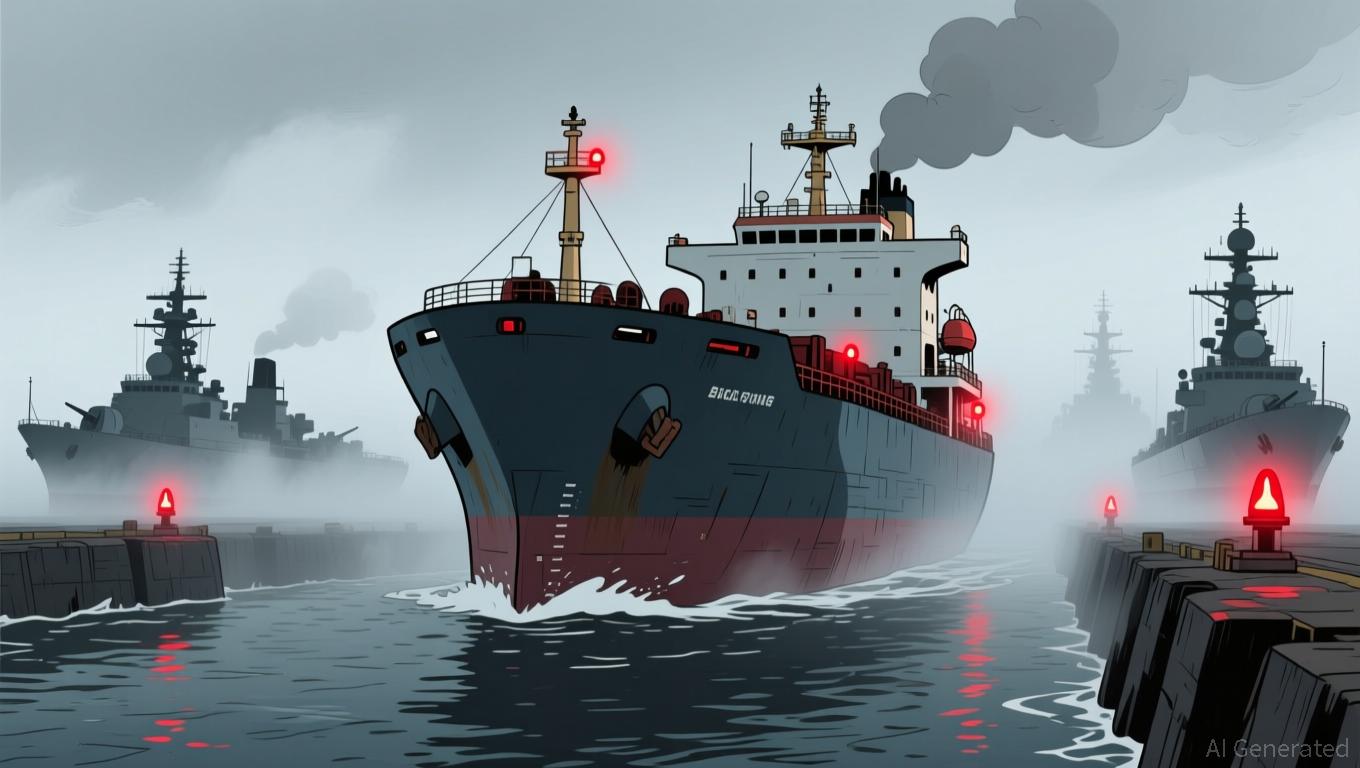
The confidence problem is not just theoretical. At one point, only two tankers had so far sailed through in the early hours, with sources describing near-standstill conditions. Some insurers were advising shipping companies to pause voyages, and vessels were increasingly switching off their public AIS transponders.
That matters even without proof of a full blockade. Markets trade perception first, and Iran's messaging has not helped. It said ships must transit on its terms and warned that any retaliation would draw a severe response.
Price spikes still lead physical normalization
The clearest evidence is in the tape. Oil reached a six-week high near $96 on escalation news long before shipping data had time to fully normalize. That is the war premium at work: fast, sentiment-led, and focused on the risk that Hormuz goes from sluggish to shut more quickly than supply figures improve.
What would confirm a durable drop in oil prices
The pause alone is not enough. A stronger bearish move in oil likely needs follow-through across diplomacy, shipping, and battlefield restraint.
Signals that would support lower prices
- Watch diplomacy first. Trump saying Washington is having "good talks" with Iran and that there is a chance of a resolution would support another leg lower in oil.
- Then verify with flow. Bulls need Hormuz traffic to improve meaningfully, not remain near a near standstill.
- Finally, look for mutual discipline. A durable de-escalation would require the pause on strikes to hold and Iran to keep its stated position that it will halt attacks as long as the United States maintains its latest pause.
Signals that would revive the war premium
- Fresh strikes that push oil back up more than 3% in a session would show the market is still trading escalation risk. That is exactly what happened when prices rose 3.6% to $87.13 after renewed strikes and an intercepted Iranian missile attack on U.S. forces.
- If insurers again advise shipping companies to pause voyages, or Iran continues to enforce passage on its terms, the market will keep prioritizing blockade fear over deal optimism.
Where the spillover could hit first
The second layer is not just crude. Reuters says the war is already broadening into a crisis in energy supplies that can spread across the global economy. The areas likely to feel pressure first include:
- Energy names tied to freight, insurance, and transit risk
- Shipping, if confidence rebuilds
- Broader risk assets, if oil keeps disrupting growth expectations
The practical read is simple: respect the dip, but wait for confirmation before treating the pause as a full all-clear.