Trump halted the strikes, but Hormuz still sets the market
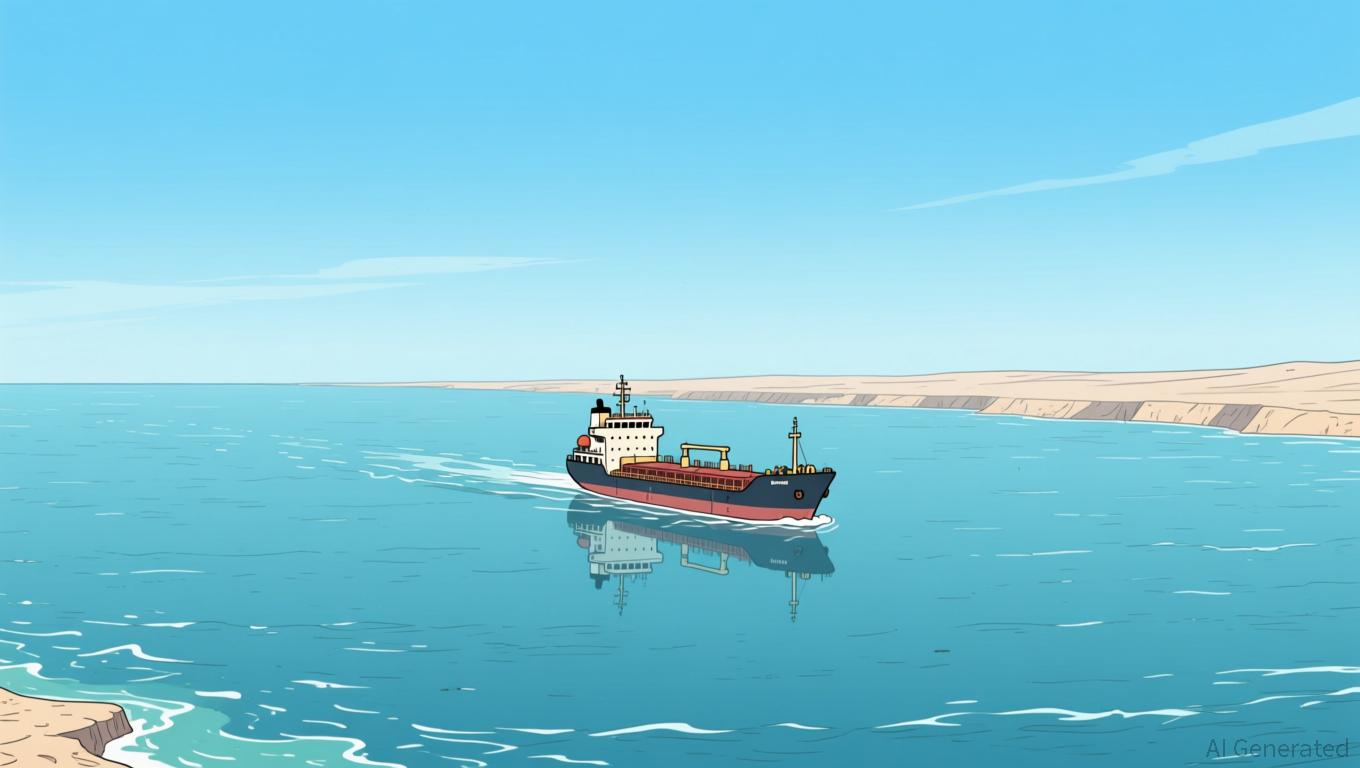
Trump scrapped what he called "massive" strikes, but de-escalation is not the same as resolution. The live bottleneck is still the Strait of Hormuz: around 20% of global oil trade normally moves through the chokepoint, and ship traffic remains at a fraction of its prewar averages. The headline risk fell, but the supply constraint has not.
That is why Monday matters. Trump said new talks with Iran will begin on Monday, while Iran said there is no immediate plan for negotiations with the U.S. and said it is only talking with Oman. Even as diplomacy advanced, a UK maritime agency still reported an incident near Oman linked to shipping risks. The market is still deciding whether this is peace or merely a pause.
Quick Backtesting Tool
If Hormuz gets a workable shipping framework, the rerating could hit oil and shipping first. Iran-Oman talks are said to be near completion, and oil prices fell after Trump called off the strikes. But that still falls short of a durable settlement.
Two tracks matter more than the rhetoric
The U.S.-Iran process has a recent procedural backbone
The current talks are not starting from scratch. They build on the Islamabad Memorandum of June 17, 2026 and were followed by technical talks on June 21 and June 28. That is the more useful signal for markets: not just public statements, but whether negotiations are moving from political framing to concrete terms.
Oman remains the more immediate shipping channel
There is also a parallel track with Muscat. Iran says negotiations with Oman are "on the way to being finalised", and officials have described the proposed arrangement as neither the northern route nor the southern route but something that would respect the sovereign rights of both sides. If that understanding holds, it could matter more for daily tanker operations than declaratory diplomacy alone.
What the market is actually pricing
Bulls can argue the format finally exists: a prior U.S.-Iran memorandum plus technical follow-through, alongside a live Iran-Oman corridor track. Bears can argue none of that is yet a deal. That caution is reasonable, especially while ship traffic remains depressed and recent history shows how quickly talks can unravel.
The practical test is simple: if Muscat produces concrete route details while the broader process stays alive, energy and shipping can reprice quickly. If the talks remain vague, the war premium likely persists.
Monday is a verification test, not a verdict
The mismatch between Washington and Tehran is the immediate issue. Trump says new talks with Iran will begin on Monday, but Iran says there is no immediate plan for negotiations with the U.S. and says it is only talking with Oman. That does not end the story; it makes the next few days more important.
What to watch
- Whether Iran and Oman move from general principles to an observable shipping arrangement.
- Whether the U.S.-Iran process produces anything more than conflicting claims about whether talks are happening.
- Whether ship traffic through Hormuz starts to normalize as confidence improves.
For now, the cleaner stance is cautious, not dismissive. Process matters, but markets will care most about proof that oil and tankers get a workable operating rule.