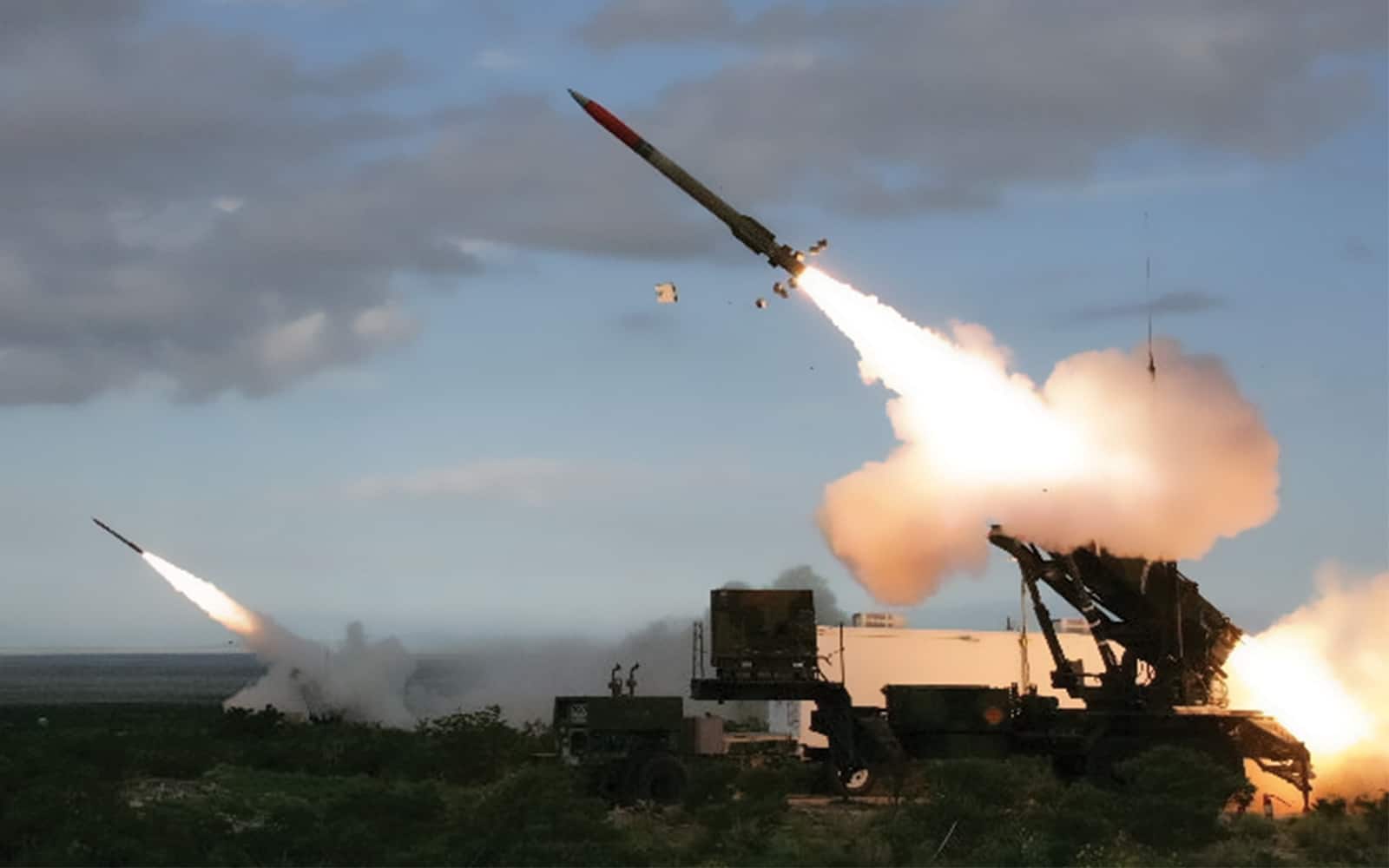
Sweden's announcement of an 8.7 billion Swedish crowns ($916 million) air defense procurement is a material, forward-looking commitment that validates the long-term growth trajectory for European air defense contractors. This is not a one-off contract but a key pillar of a nation re-arming, with deliveries scheduled for 2027 and 2028. The scale and timing frame a multi-year investment cycle that contractors can now plan around.
The purchase sits within a broader, structural surge in defense spending. Following Russia's invasion of Ukraine, Sweden is racing to bolster its capabilities, with military expenditure projected to reach 2.8% of GDP in 2026 and climb to 3.5% by 2030. This sustained, elevated spending profile provides a clear macro tailwind, shifting the investment thesis from tactical procurement to strategic capacity building.
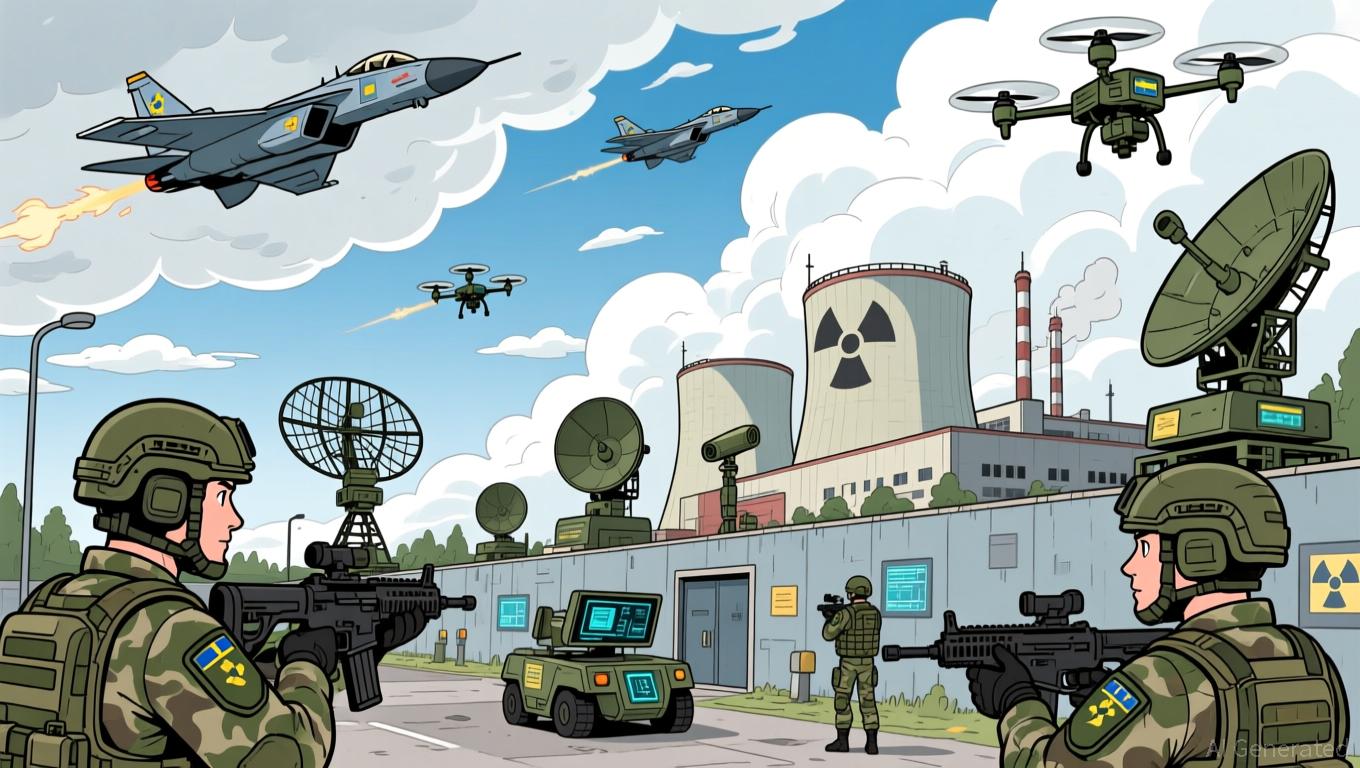
A critical component of this package is the inclusion of the Gute II counter-drone system. This dual-deployment radar and cannon system, designed for both fixed and mobile use, is explicitly aimed at protecting critical infrastructure like nuclear power plants. Its integration into the procurement underscores a shift toward layered, point-defense solutions against asymmetric aerial threats. The system's development also features Swedish participation from BAE Systems and Saab, embedding these contractors directly into the nation's new defense architecture.
For institutional investors, this context is decisive. It transforms a single contract announcement into evidence of a durable, government-backed growth engine. The combination of a large, multi-year procurement, a rising defense budget ceiling, and a focus on next-generation threats like drones creates a compelling setup for quality air defense suppliers.
Contractor Impact: Capital Allocation and Order Flow
The procurement announcement directly translates into a multi-year order flow for two key European defense contractors. The Swedish government has confirmed that the 8.7 billion Swedish crowns ($916 million) air defense package will be executed through an agreement with multiple companies, explicitly naming BAE Systems and Saab as key suppliers for the Gute II counter-drone system. This is not a single, lump-sum contract but a structured procurement that embeds these firms into Sweden's new air defense architecture.
The significance for capital allocation planning is substantial. With deliveries scheduled for 2027 and 2028, the contract provides a clear, long-dated visibility that extends well beyond the current fiscal year. This forward schedule is critical for institutional investors, as it allows for more precise modeling of revenue recognition and cash flow generation. For contractors, it de-risks near-term CAPEX planning and supports a disciplined approach to allocating capital toward production ramp-up and working capital needs for this specific program.
This initial package is also a leading indicator of sustained demand. It sits within Sweden's broader 15 billion kronor (approximately €1.3 billion) investment in air defence development announced earlier this year. The $916 million procurement is thus a material component of that larger commitment, signaling that Sweden's air defense build-out is in its early, capital-intensive phase. For Saab and BAE Systems, this means the order book for next-generation, integrated air defense solutions is being filled with high-quality, government-backed contracts, enhancing the durability of their backlogs and supporting a favorable risk-adjusted return profile.
Sector Rotation and Risk-Adjusted Returns
This procurement is a powerful catalyst for institutional positioning, reinforcing a structural tailwind for European defense and improving the risk-adjusted return profile for quality suppliers. The investment thesis has shifted decisively from tactical procurement to strategic capacity building, a key driver for sector rotation.
The reinforcement of a structural tailwind is clear. This is not an isolated purchase but a tangible outcome of Sweden's NATO integration and Arctic strategy, directly addressing the nation's most pressing security priorities. The focus on integrated air and missile defense, particularly point-defense against drones, aligns with the forward-looking investment in Sweden's total defence framework. For institutional investors, this embeds a "quality factor" into the sector. The contracts are government-backed, multi-year, and tied to a durable national security imperative, making them a higher-conviction asset class within the broader industrial complex.
This directly improves the risk-adjusted return. Compared to the cyclical volatility of commercial aerospace, this government-backed order flow offers a lower-risk profile. The multi-year delivery schedule provides exceptional visibility, de-risking cash flow projections and supporting a more stable capital allocation. The mitigation of geopolitical uncertainty for regional suppliers is another key benefit. The procurement is a concrete step in Sweden's defense build-out, a process now governed by a growth-based governance model designed to accelerate capability enhancement. This institutionalizes demand, reducing the exposure to political or budgetary swings that can plague defense stocks.Quick Backtesting Tool
The bottom line is a more favorable setup. The combination of a clear structural tailwind, a lower-risk, high-quality order book, and the tangible progress toward national defense goals creates a compelling case for overweighting this segment. It represents a rotation into a sector where the risk premium is being re-priced to reflect durable, government-backed growth rather than speculative cycles.
Catalysts and Risks: What to Watch
For institutional investors, the thesis is now anchored in a multi-year order flow. The next phase is to monitor the execution and expansion of this commitment. The primary forward-looking trigger is Sweden's 2026 defense budget execution and any announcements of follow-on orders beyond the initial 8.7 billion kronor (around €794 million) package. The government has already signaled a broader 15 billion kronor (approximately €1.3 billion) investment in air defence development earlier this year. Any acceleration or expansion of that total commitment would be a direct catalyst, extending the revenue visibility and order book depth for Saab and BAE Systems.
A key guardrail is the risk of potential delays in the 2027–2028 delivery schedule or cost overruns. While the multi-year timeline provides visibility, it also embeds execution risk. Delays could pressure margins and cash flow, particularly if the contractors face unforeseen production bottlenecks or component shortages. The integration of a complex, multi-company system like the Gute II, with Swedish participation from BAE Systems and Saab, adds a layer of coordination complexity that must be managed effectively.
The broader European defense spending trend remains the critical context. This order is a leading indicator of sustained capital expenditure in the region. The investment case for European defense contractors is not isolated to Sweden but is part of a continent-wide rearmament. The structural tailwind is validated by the total defence reinforcement underway in Sweden, which is itself a response to the NATO integration and Arctic strategy driving defense budgets across Europe. Any deviation from this regional trend-such as a slowdown in other NATO members' procurement-would be a material risk to the sector's growth narrative. For now, the setup is constructive, but the watchlist is clear: execution, expansion, and the regional spending cycle.