Gold remains supported while silver absorbs the drawdown
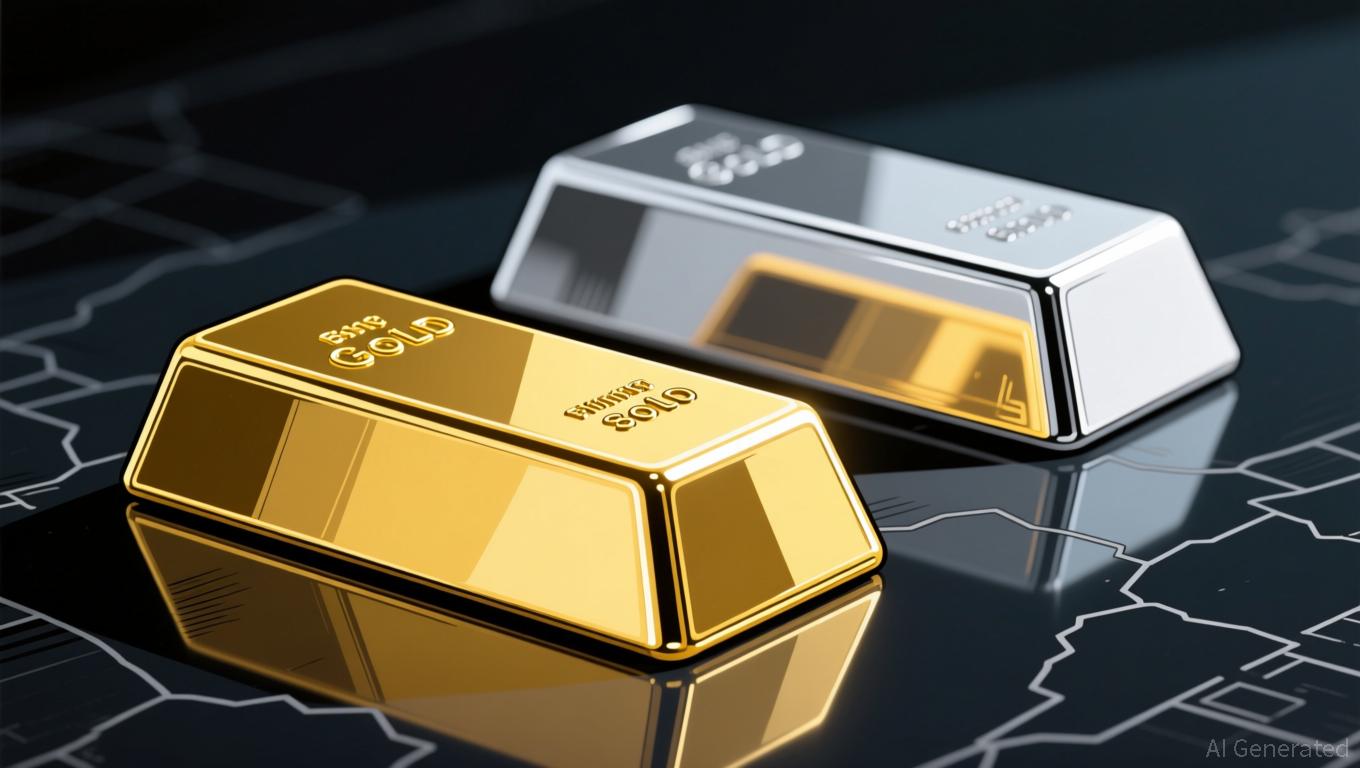
The split between the two metals is the main story. On July 30, spot gold was still holding up near $4,080.38, while silver had slipped to $58.20. That divergence suggests investors still value gold's safe-haven role more than silver's mix of monetary and industrial demand.
The gold-silver ratio is flashing weaker relative strength for silver
Silver is not just lower in dollar terms. It has lost roughly half its value since peaking in January and has also fallen by more than a third against gold. The gold-to-silver ratio recently cleared the 200-day moving average at $66.76, a technical shift that points to strengthening relative strength for gold.
Bulls can still point to Wall Street's median 2026 gold forecast at $4,746.50 as evidence that gold has room higher, which could eventually help silver catch up. Bears, however, will focus on the present pattern: gold is holding its bid while silver weakens, a sign that relative strength is not yet flowing back into silver.
Quick Backtesting Tool
Why the split matters for positioning
This matters because markets are still unsure about the Fed's next move. In that kind of backdrop, gold can retain support longer than expected, while silver remains more exposed to risk sentiment and industrial-demand concerns.
The practical question is not whether gold still looks elevated. It is whether you want to own the laggard before any meaningful catch-up move. If the ratio stays high, silver's rebound may remain partial. If it starts turning lower from here, silver could outperform on the way back up.
EUR/USD resistance matters because it can shape the dollar backdrop
Fed uncertainty keeps the dollar path in focus
The near-term switch is on the FX tape. After the divided Fed left rates unchanged, markets still assign a 57% chance of a September hike. That leaves the dollar path in flux even as gold remains near $4,080.38. In plain terms, precious metals still have support, but that support is now playing out in a market that is repricing policy expectations in real time.
Silver is the more sensitive instrument in this setup. It has lost roughly half its value since peaking, and the gold-to-silver ratio's move above the 200-day moving average suggests investors currently prefer gold's stability over silver's higher-beta profile.
How EUR/USD could influence gold and silver
If EUR/USD breaks cleanly higher, dollar pressure should ease, which is generally more supportive for gold first. Silver likely needs more than a softer dollar on its own; it also appears to need better risk appetite, consistent with its greater sensitivity to industrial-cycle and sentiment swings.
If EUR/USD fails again at resistance, the dollar can reassert control. That is the sort of backdrop that has weighed down gold before. In that scenario, gold may still keep some safe-haven support, but silver is the metal most likely to face renewed pressure.
What traders should watch next
- Bullish reset: a sustained EUR/USD breakout alongside a lower gold-to-silver ratio would be the clearest sign silver can attempt a catch-up move.
- Bearish continuation: repeated EUR/USD rejection at resistance, a firmer dollar, and a ratio that stays high would favor gold holding up better than silver.