Paymentus delivered a quality beat, not just a headline pop
The important takeaway is not only that PaymentusPAY-- beat Q2 expectations. It is that the market responded strongly to a report that combined 28.8% revenue growth with a record 41.3% adjusted EBITDA margin, sending shares 11.67% after-hours surge to $38.55. A quarter with both growth and margin expansion tends to carry more weight than a narrow EPS beat.
Why the market rewarded the report
Paymentus also raised full-year guidance, shifting the story from one good quarter to more earnings potential over the next few quarters. Management lifted 2026 revenue guidance to $1.443 billion-$1.458 billion and adjusted EBITDA guidance to $175 million-$185 million. That helps explain why the after-hours move looked more like a rerating than a one-off trade.
The valuation debate: platform premium or payments multiple?
Bulls argue Paymentus deserves a premium software-style multiple because it is layering intelligent orchestration on top of payments, with growing interest in Billeo and BillWallet. Bears argue the company should still be valued closer to a payments operator while AI monetization remains early.
Quick Backtesting Tool
Management did emphasize meaningful revenue contribution is likely to emerge over the next few years rather than immediately, so the AI story is best viewed as upside optionality rather than the reason for this quarter's strength. The cleaner near-term support is the company's comment set around strong bookings and a substantial backlog, which give investors better visibility into future revenue.
One watchpoint is pricing pressure. Management also noted that larger enterprise customers to seek volume discounts, which can pressure contribution margins. If margins stay near Q2 levels, the case for a higher multiple gets easier to make.
The operating story improved, not just the headline results
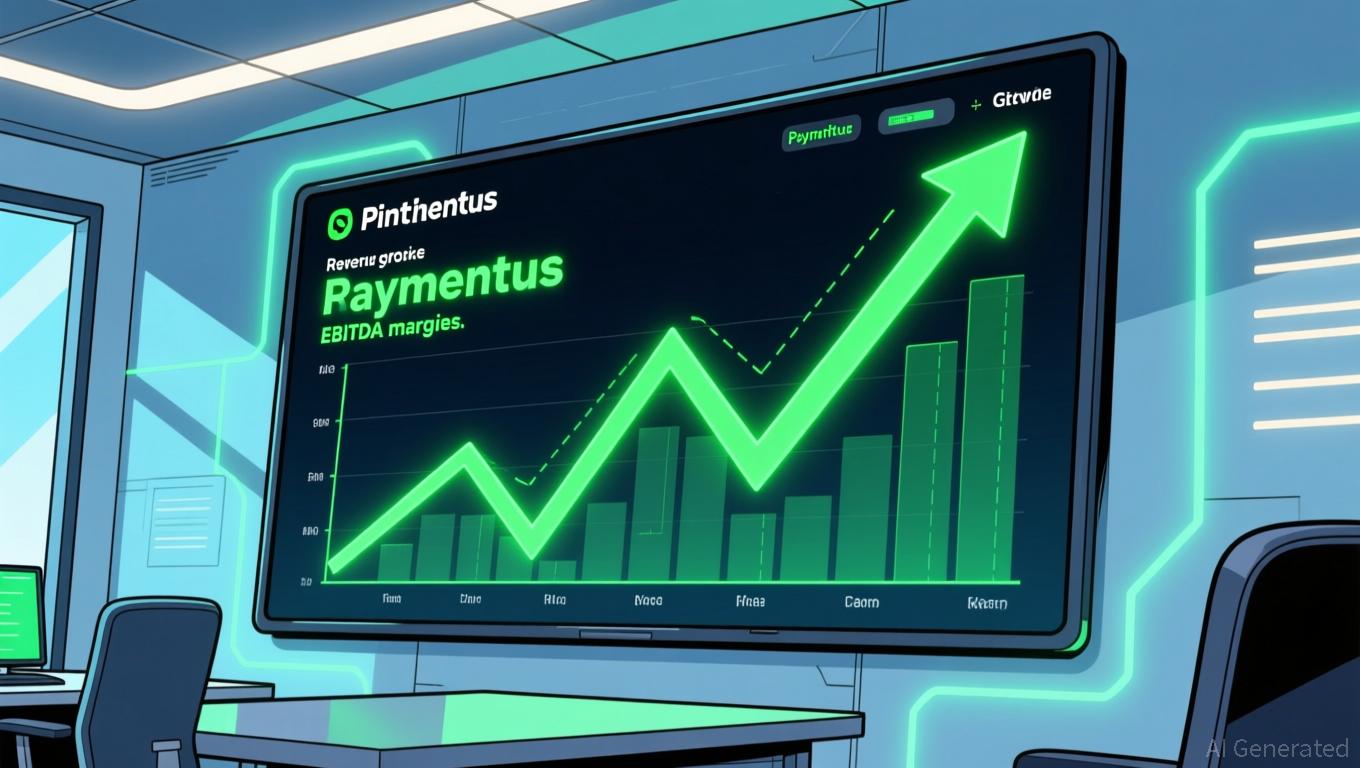
Q2 looked strong beyond the top line. The more important point is that profitability improved faster than revenue, which is usually a better sign of operating leverage than a one-quarter growth spike.
Transaction growth and pricing both improved
Paymentus processed 213.4 million transactions in Q2, up from 203.4 million in Q1. The economics also improved sequentially: the average price per transaction moved from $1.59 to $1.69, and contribution profit per transaction rose from $0.53 to $0.55. That points to better monetization, not just higher volume.
Spending stayed disciplined
Paymentus generated $48.8 million in adjusted EBITDA, $32.4 million in non-GAAP net income, and $39 million in free cash flow while growing non-GAAP operating expenses 10.5%. The company also ended Q2 with $379.7 million in cash, which gives it more flexibility if pricing pressure intensifies.
That is why the quarter matters. It was not only a growth beat; it was a beat that showed better profit capture and disciplined spending at the same time.
What would turn this quarter into a trap
A strong quarter turns into a trap when the market stops rewarding execution and starts paying for perfection. Paymentus has already shown the business is real with record 41.3% adjusted EBITDA margin and a stock move to $38.55 after an 11.67% after-hours surge. The next test is whether the company can follow through against a higher bar.
The key question for the next quarter
The market now needs to see whether Paymentus can convert its backlog and raised outlook into another clean quarter. Management highlighted improved visibility through the remainder of 2026 and well into 2027, but that visibility becomes less valuable if discounting worsens or margins slip materially.
What investors should watch
- Whether revenue and adjusted EBITDA stay in line with the raised full-year range of $1.443 billion-$1.458 billion in revenue and $175 million-$185 million in adjusted EBITDA.
- Whether margin pressure from larger enterprise customers remains contained.
- Whether AI-related products continue to build interest without being relied on for near-term revenue.
If those marks stay green, the quarter looks more like the start of a durable premium story than a quick earnings pop.