Apple's lawsuit lands at the worst possible moment for AI trust
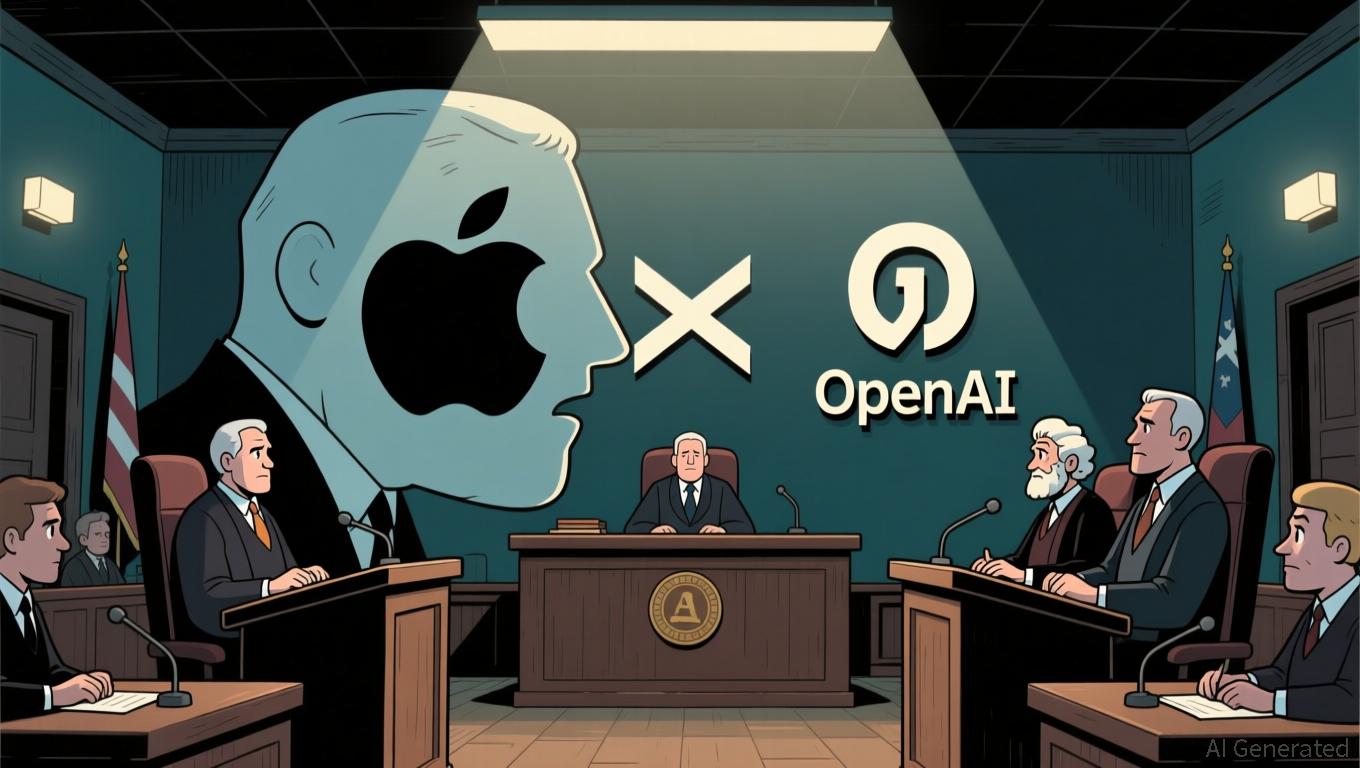
Apple's July 10, 2026 lawsuit arrives after the company settled a shareholder lawsuit for $250 million over Siri delays and just before new Siri features will be unveiled next month. That timing matters. Investors are no longer looking at this as a private contract dispute; they are judging whether AppleAAPL-- is protecting a real AI moat or exposing a credibility gap right before a high-stakes product moment.
OpenAI is alleging that Apple is using confidential information to accelerate still unrealized efforts to build AI hardware. OpenAI has rejected that characterisation, calling the suit "careless, aggressive and oddly personal". The dispute therefore creates a clear bull-bear split: Apple may be drawing a line before a partner becomes a hardware rival, or it may be making its AI rollout look more fragile than investors hoped.
The procedural story matters as much as the allegations
What stands out is not just the headline claim, but how the relationship broke down between companies that still depend on each other.
OpenAI's rebuttal turns the fight into a credibility test
OpenAI's response focuses on Apple's process. It says Apple's outside lawyers emailed the wrong person after confusing two Asian last names, and that Apple also conceded a discussion with OpenAI's general counsel never happened. OpenAI says Apple later told it that it was "resolving any issues," then waited five months before suing.
For investors, that sequence matters. When a partnership turns public, people stop judging it on narrow legal terms and start judging judgment itself: discipline, control, and whether Apple is protecting legitimate secrets or struggling to manage a collaboration that was already under strain.
Apple is accusing OpenAI and two former employees, not just a rival
Apple is suing OpenAI and two former employees over their role in OpenAI's consumer-hardware push. Reuters had earlier described the relationship as strained. If that is true, the lawsuit can read less like a clean defense of intellectual property and more like evidence that the partnership was already failing.
Quick Backtesting Tool
That is the core valuation risk. Apple does not need to lose the case for sentiment to worsen. Investors may simply decide that the alliance was less integrated, less reliable, or less strategic than the market had assumed.
The real multiple driver is trust in Apple's assistant layer
The next move is not in legal theory. It is in what investors watch over the next few weeks.
Apple's near-term scorecard
Apple is the liquid exposure, but the real asset under test is trust in the assistant layer. That matters because new Siri features will be unveiled next month, and that demo now sits at the center of the bull-bear split. Bulls think Apple can reset the narrative with a clean rollout. Bears think the market has grown less forgiving of AI delays and public partner breakdowns.
If the unveiling looks unfocused or late again, investors are likely to read it as another sign that Apple's AI promise is still running ahead of delivery. If it lands cleanly, some of the credibility discount attached to the lawsuit could compress quickly.
OpenAI's hardware ambitions widen the stakes
The suit also touches a broader issue: OpenAI's consumer hardware ambitions. Bloomberg also reports that OpenAI has recruited more than 400 former Apple workers, a reminder that this fight is about talent, relationships, and institutional knowledge as much as it is about trade secrets.
If Apple can keep trust in the assistant experience, it preserves pricing power over the service layer. If that trust slips, OpenAI does not have to win outright today. It only has to make investors doubt how seamless or defensible Apple's AI interface really is.
What would improve or weaken the thesis
- Improvement: Apple delivers a confident Siri unveiling and the legal sparring starts to look more like noisy process errors than systemic mismanagement.
- Continued weakness: The product event disappoints, or the dispute keeps highlighting procedural missteps and a partnership that no longer looks smooth.
The stock is the trade, but assistant-layer trust is what may drive the multiple.