Oklo's governance update looks aimed at execution, not optics
Oklo's board overhaul matters because the company is now further along in its first NRC-issued license and the transition from design and planning to real-world execution. At this stage, governance matters less as a story and more as a control mechanism.
The recent nearly 23% gain over the last four trading sessions made the move look like just another volatility spike. But the structural change was the stronger signal: OkloOKLO-- added four new directors, appointed a lead independent director, and moved Pat Schweiger to senior technical advisor. That points to an operating reset, not retail-facing theater.
Why this timing stands out
Bulls will say this is the kind of governance upgrade you want to see before scaling complex projects. The new directors are expected to bring experience from the nuclear, energy, industrial, and infrastructure sectors. Bears will say it is still FOMO dressed up as reform, especially with nuclear drawing heavy retail attention. Fair enough.
Quick Backtesting Tool
The better question is not whether the market was excited. It is whether the new structure improves decision quality now that Oklo has enough regulatory progress to be judged on delivery rather than vision alone.
Oklo's commercialization milestones are changing the debate
Oklo released Second Quarter 2026 financial results and a business update into a more operational phase than the stock's recent trading made obvious. The company now points to its first NRC-issued license to Atomic Alchemy, the accelerated NRC review of Aurora design criteria, and the DOE startup authorization for Groves. Taken together, those steps push Oklo farther out of the pure R&D narrative and deeper into milestone execution.
Why the leadership handoff matters
The market just saw a board refresh and leadership reset, including Pat Schweiger moving to senior technical advisor. That matters because technical, regulatory, and commercial handoffs need to get cleaner as the company moves from design work to construction, commissioning, and early operations.
A stronger board does not help by looking more credible on paper. It helps by improving prioritization, reducing surprises, and making each milestone more credible to regulators and capital providers.
The next signposts that matter
Stop waiting for another governance photo op. The more useful watch list is:
- licensing progression beyond the current milestones
- commissioning and fuel-loading progress at Groves
- staffing and operating-system updates tied to construction and future reactors
- any evidence that isotope activity is moving from capability-building toward commercial sales
If those boxes start filling, the board shake-up will look more like preparation for execution. If they do not, the stock will quickly return to being judged on sentiment.
What changes for investors from here
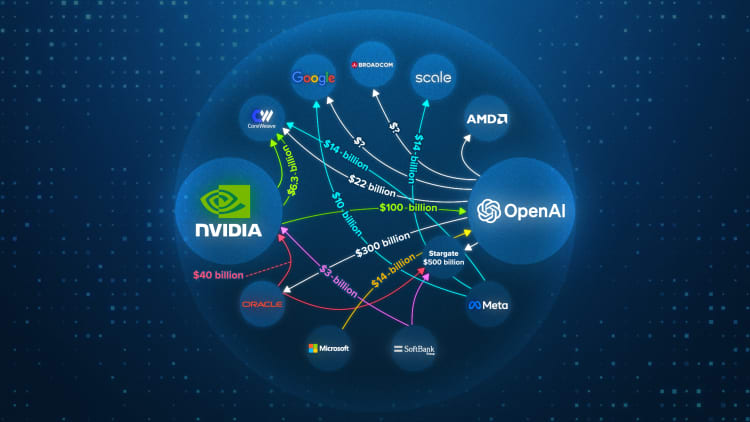
For investors, the key shift is simple: track Oklo as an execution franchise now, not as a governance story. The most tactical signal is that Altman stepped down as chairman, which Oklo said makes future OpenAI collaboration easier. That lowers partnership friction at the same time the board is becoming more structurally independent. Constructive? Yes. Automatic buy? No.
How to frame the setup
Once a company has its first NRC-issued license, accelerated NRC review of design criteria, DOE startup authorization for Groves, and a path toward early isotope commerce, the valuation debate shifts toward proof density rather than narrative breadth.
A practical framework is straightforward:
- More constructive if new disclosures show milestone conversion: licensing progress, commissioning steps, staffing, and early isotope sales.
- Neutral if governance improves but management keeps talking in horizons instead of scorecards.
- Avoid chasing if every update is policy tailwinds or sentiment without fresh operating evidence.
The bear case that matters most
The main objections are straightforward:
- The recent stock pop followed board refresh and leadership reset news during a retail-heavy nuclear squeeze, so governance upgrades can get misread as trading fuel.
- Policy support helps, but it is not execution. Oklo has publicly backed efforts to speed up approval and adoption of advanced nuclear, yet that still does not guarantee smooth project delivery.
What would break the thesis
The thesis weakens if:
- licensing slips or commissioning hits an avoidable safety or quality issue
- isotope activity stays symbolic instead of becoming commercial
- the newly structured board fails to produce sharper, more decision-useful disclosure
From here, the investor test is not whether the board looks better. It is whether Oklo starts scoring better.