- MoonPay has integrated its Trade infrastructure with the TRONTRX-- network to enable gasless stablecoin transactions, removing the need for users to hold TRX to pay network fees.
- This integration simplifies on-chain user experience by abstracting fee requirements, which reduces friction for new users transacting on the platform.
- The move reinforces TRON's position as a primary global settlement layer for stablecoins, supporting over $22 billion in average daily transfer volume and more than $90 billion in USDT supply.
- Trust Wallet has launched as the first partner to support this integration, enabling gasless TRON transactions for its user base through MoonPay's infrastructure.
The integration of MoonPay's Trade infrastructure with the TRON network marks a significant development in the accessibility of decentralized finance and stablecoin settlements. By allowing users to execute transactions on the TRON network without holding TRX, MoonPay has removed a primary friction point that has historically hindered user onboarding and retention. This technical advancement abstracts gasGAS-- fees directly into the overall transaction cost, enabling users to transact using only the assets they already hold.
Previously, users on the TRON network were required to maintain a balance of TRX, the native utility token, to cover gas fees, even when sending or swapping stablecoins. This requirement created an unnecessary barrier to entry, particularly for newcomers who were unfamiliar with the mechanics of maintaining a separate utility token balance. MoonPay’s new infrastructure addresses this by incorporating these fees directly into the transaction cost, thereby streamlining the user experience and reducing operational complexity.
Quick Backtesting Tool
The removal of the TRX holding requirement is expected to have a substantial impact on user adoption and transaction volume within the TRON ecosystem. By simplifying the process of moving assets and interacting with on-chain applications, MoonPay aims to facilitate easier asset movement across platforms like SunSwap and JustLend. This development is particularly relevant given TRON's dominance in stablecoin settlements, where it hosts the largest circulating supply of USD Tether (USDT) and has recorded over 396 million user accounts and 15 billion transactions.
Trust Wallet has launched as the first partner to support this integration, enabling gasless TRON transactions for its user base through MoonPay. This collaboration highlights the growing trend of wallet providers and payment infrastructures working together to improve the usability of blockchain networks. Justin Sun, Founder of TRON, highlighted that this collaboration advances the vision of accessible, easy-to-use blockchains by simplifying stablecoin transactions.
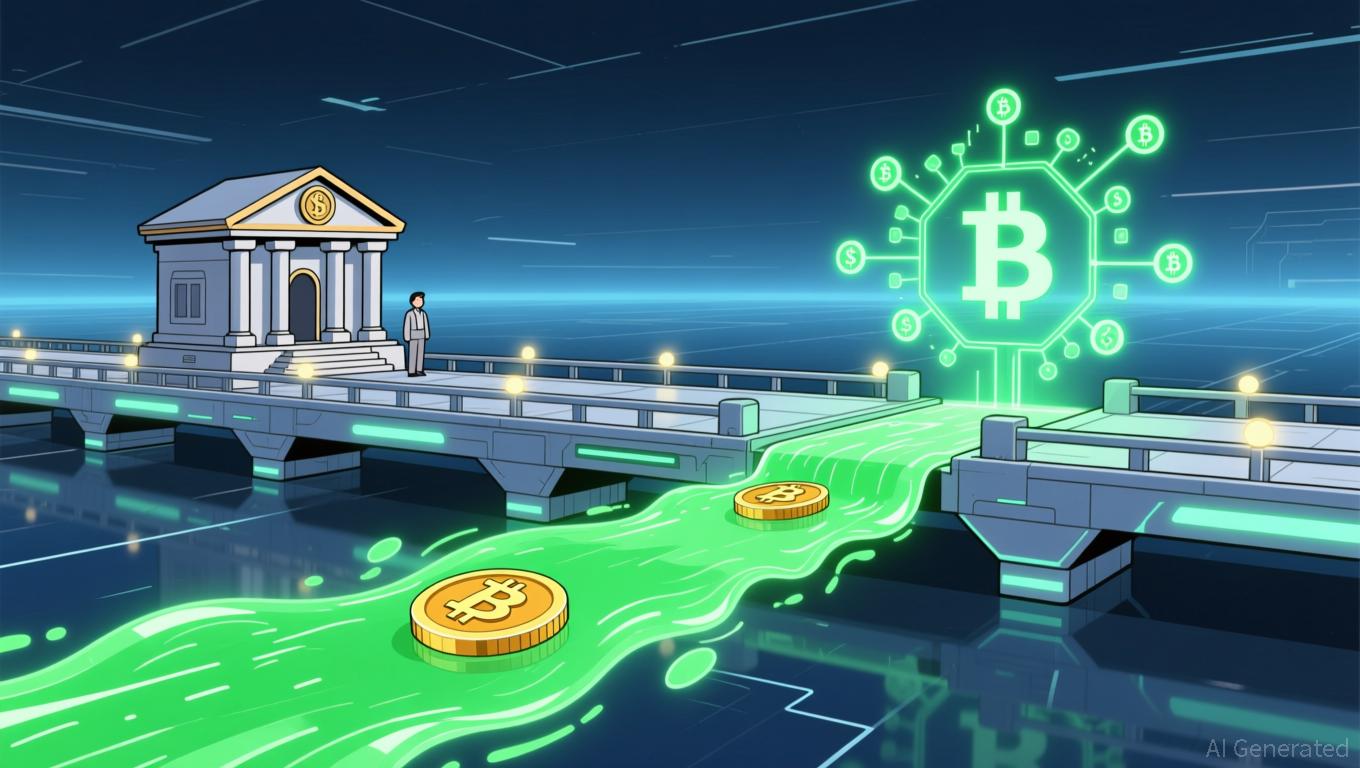
MoonPay CEO Ivan Soto-Wright noted that removing the need to hold TRX eliminates unnecessary friction in an ecosystem where stablecoins are transforming money movement. The integration extends across the broader TRON ecosystem, facilitating easier asset movement and interaction with on-chain applications. This partnership underscores TRON's role as a global settlement layer for stablecoin transactions and everyday purchases, positioning it to handle growing adoption in the fintech and crypto sectors.
How Does This Integration Impact User Onboarding?
The integration of gasless transactions on the TRON network is designed to significantly lower the barrier to entry for new users. By eliminating the need to acquire and manage a separate token for gas fees, the onboarding process becomes more intuitive and less prone to user error. This simplification is crucial for mass adoption, as it allows users to focus on the value of their transactions rather than the mechanics of network fees.
Furthermore, the abstraction of gas fees reduces the cognitive load on users, making decentralized applications more accessible to a broader audience. This is particularly important for platforms like SunSwap and JustLend, where ease of use can drive higher engagement and transaction volumes. The removal of the TRX holding requirement addresses a primary friction point in on-chain transactions, aiming to streamline onboarding for both new and existing users.
What Are the Implications for Stablecoin Settlements?
TRON's role as a primary settlement layer for stablecoins is further reinforced by this integration. The network's ability to support over $22 billion in average daily transfer volume and host more than $90 billion in USDT supply highlights its significance in the global financial infrastructure. The simplification of stablecoin transactions through MoonPay's infrastructure is likely to increase the efficiency and speed of these settlements.
The partnership between MoonPay and TRON underscores the growing importance of user experience in the adoption of blockchain technology. By leveraging TRON's existing infrastructure, MoonPay aims to reduce operational friction and streamline payments for millions of users globally. This collaboration is designed to enhance the on-chain experience for wallets, developers, and businesses building products on TRON.
The integration also has broader implications for the fintech and crypto sectors, as it demonstrates the potential for traditional payment infrastructures to seamlessly integrate with blockchain networks. By removing unnecessary friction, MoonPay and TRON are positioning themselves to capture a larger share of the growing stablecoin market. This development is expected to drive further innovation and adoption within the decentralized finance space.