Freedom Debt Relief is privately held, owned by Freedom Financial Network, LLC, and does not trade on any exchange or file public reports with the SEC. There is no ticker, no market cap, no forward multiple - and therefore no valuation disconnect to exploit. That is the most important context for any industry news about this company: it reads like market intelligence, but it's not an investable signal.
The debt settlement business itself has real tailwinds. That's the variable worth looking at. Even if the company in that business isn't one you can own.
The industry math checks out
The global debt settlement market was valued at $10.46 billion in 2025 and is projected to reach $19.33 billion by 2035, growing at a 6.33% compound annual growth rate - the rate at which the market expands year over year on a compounded basis. Demand is driven by rising consumer debt across credit cards, personal loans, student debt, and medical bills. North America dominates revenue, and credit card debt settlement remains the largest segment.
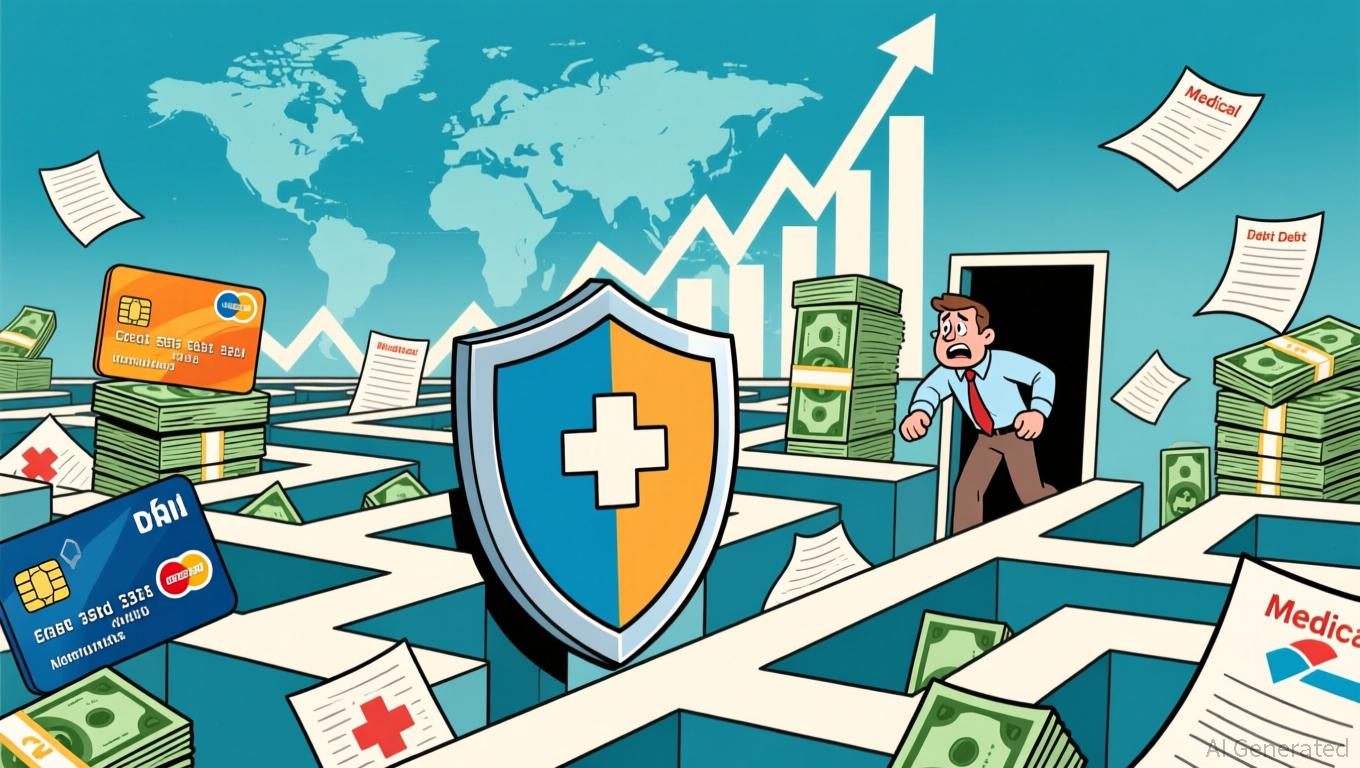
Freedom Debt Relief sits inside this market. Third-party data estimates the company's revenue at roughly $825 million. The firm has operated since 2002 and claims to have settled more than $20 billion in debt for over 1 million clients. By its own metrics, customers save an average of 28% of enrolled debt after fees. The settlement fee runs 15% to 25% of the total enrolled debt, depending on state.
The recognition is real, the business model carries risk
Freedom Debt Relief was recognized by USA Today for 2026, based on a survey of more than 31,000 customers conducted in fall 2025. NerdWallet wrote, up front, that debt settlement is risky. There's no guarantee of success, and the process can seriously damage your credit. The average program takes 35 months. During that period, enrolled consumers stop making payments to creditors - which triggers delinquencies, collection activity, and credit-score deterioration - in the hope that creditors will eventually accept a discounted payoff. Not all do. Federal law requires settlement companies to collect fees only after a debt is successfully resolved, which limits the worst abuses, but it doesn't eliminate the risk of failed negotiations.
The regulatory environment is active. The FTC continues to pursue enforcement actions in the broader debt relief and credit repair space, including shutting down schemes that have cost consumers millions. A clean compliance record matters because enforcement risk is real and ongoing.
Why industry news isn't an investable signal
Industry tailwinds aren't a catalyst - they're a baseline. Rising consumer debt, elevated interest rates, and a growing addressable market have been visible for years. A debt settlement market growing at 6% over the next decade is not new information. For a private company, an expanding industry is the equivalent of a grocery chain observing that people still eat food.
The brand-building logic is real. For a private company without a public listing, brand recognition is the closest proxy to a market debut. It keeps the company visible to potential acquirers and signals scale to private investors who may buy into Freedom Financial Network down the line. But industry news isn't market-moving because there's no market.
What an investor actually does with this
There is no stock to buy, no forward multiple to compress, and no re-rating path to chart. If the debt settlement ecosystem interests you as a growth market powered by record household debt, the publicly listed players are where the actual price action lives. Encore Capital Group operates in the adjacent space of debt purchasing and collection - the counterparty to the settlement companies - and is one of the few tradeable names in this ecosystem. But that's a different business model: buying defaulted debt at a discount and collecting on it, rather than negotiating consumer settlements.
The debt settlement space is a real market. Freedom Debt Relief operates in it, has operated since 2002, and has an estimated revenue of roughly $825 million. And it's one you can't own. The industry news is worth filing under context, not signal.