The profit drop was real, but the takeover bid is the sharper signal
A 70% profit drop is the sort of headline that scares off casual investors. EasyJet reported profit before tax of £85 million versus £286 million a year earlier, while its fuel bill increased by £105 million. That is a meaningful hit.
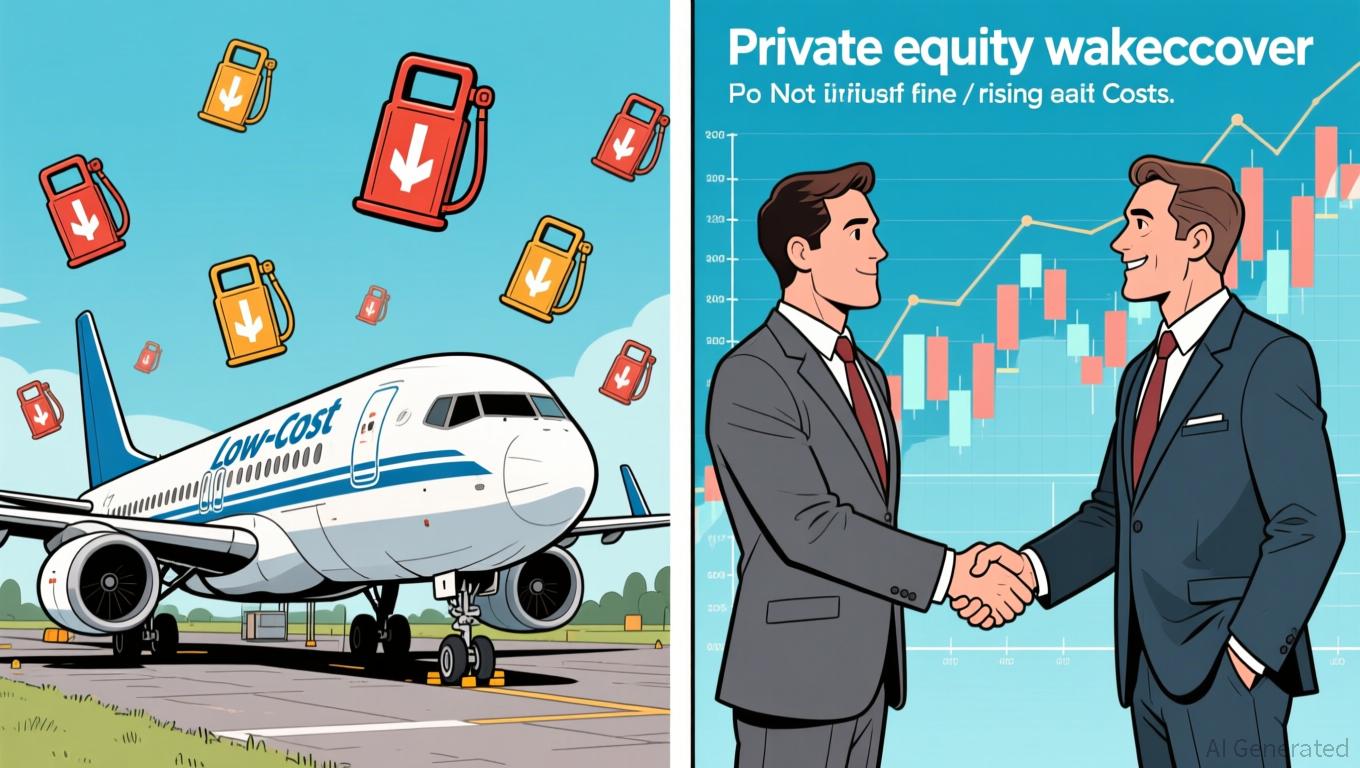
But the more important tell may be capital markets' reaction, not the quarter itself. easyJet's board has recommended Apollo's £5.7bn takeover, and ApolloAPO-- is offering 715 per share. If the business looked structurally broken, the bid process would likely be stalling rather than moving ahead.
Quick Backtesting Tool
Why the bid matters more than one weak quarter
The market debate now is narrower: was this primarily a temporary fuel and booking shock, or a sign of deeper weakness? The quarter itself was weaker than expected by some standards, yet it still beat Bloomberg analyst estimates of about £80 million. easyJet also said customer bookings had begun to improve, even if travelers are still booking closer to departure than in the past.
Fuel drove the miss, but hedging and operating tweaks cushion the blow
One weak quarter underlined the core problem: fuel bill increased by £105 million. For low-cost airlines, fuel is one of the biggest variable costs, so sharp moves in price can hit profits quickly.
How the hedge helps - and where it falls short
EasyJet is not fully exposed. Management said 72% of fuel needs were hedged at $726 per metric ton. That would have helped limit the damage if fuel prices stayed elevated.
Still, hedging is a buffer, not a full shield. The same update noted a GBP25 million additional cost from volatile fuel pricing in March, and the company said results for the final quarter remain dependent on fuel prices, which continue to be volatile.
Balance-sheet strength gives management time
EasyJet also reported liquidity of £4.7 billion and a net cash position of £434 million. That gives it room to absorb cost pressure better than a weaker airline could.
Management also has operating tools. It reallocated 400,000 seats from countries adjacent to the Gulf region and cut summer capacity by 0.3% because of elevated fuel prices. Those are not panic moves, but they do show how exposed the margin profile still is.
easyJet Holidays is still showing demand
The operating hit was real, but demand was not gone. easyJet Holidays saw passengers up 22%, and the unit delivered GBP61 million PBT in the first half, a 39% increase. That matters because it shows part of the business was still growing even while overall profits slipped.
Is easyJet cheap, or is the £5.7bn bid premature?
The quick question is not whether easyJet is sensitive to shocks. It is. The real question is whether that sensitivity makes the stock cheap, or makes the £5.7bn takeover premature.
The bull case: the buyer still sees value
The bullish argument is straightforward. If the business were structurally weak, Apollo would not be paying 715 per share. A private-equity bid is a statement of confidence in the underlying business, not just in one quarter.
That view is reinforced by operating progress elsewhere in the group. easyJet Holidays saw passengers up 22% and GBP61 million PBT in the first half, up 39%. In other words, the brand is still converting travel demand into profit across more than just seat sales.
The bear case: the shock may not be isolated
The bearish case is also reasonable. Ryanair revealed a 34% drop in profits for the same period, partly because fuel prices surged. That suggests easyJet was dealing with an industry-wide pressure point, not just a company-specific mistake.
There is also a timing risk. Passengers were continuing the trend of booking their trips just before departure, and easyJet said the second half would depend on important remaining bookings, as well as fuel prices, which continue to be volatile. One weak half-year does not prove the model is fragile, but it does mean the recovery is still unproven.
What would settle the debate
The clearest signals are still the bid process and bookings. If the deal progresses and demand normalizes, the stock may look cheap in hindsight. If the process stalls or fuel stays expensive, the market may simply be reacting to a harder backdrop than investors had hoped.