Ducommun is getting a modest rerating, not a full-blown re-rating
Wall Street still implies only 12% average upside, even after Citigroup lifted its target to $167 and RBC raised its target to $155. That leaves meaningful upside, but not enough to suggest the stock is widely ignored.
The operating improvement is what changed. In Q1, revenue rose 9% year over year, gross margin increased by 70 basis points, and net income jumped 607% year over year. Management said commercial aerospace growth was led by single-aisle demand for the Airbus A220, A320, and Boeing 737 MAX, while defense was helped by the Patriot missile platform. The important point is not that one segment spiked, but that aerospace and defense were improving together.
The tension now is expectation management. The business looks better than it did a quarter ago, but the stock has less room for mistakes. If execution holds, the rerating can continue. If it slips, investors will have to decide whether better demand inputs are already reflected in the price.
Quick Backtesting Tool
Q2 results strengthened the case for a higher multiple
The latest report gave investors a sturdier signal than a single strong quarter. DucommunDCO-- delivered Q2 revenue of $224.5 million, adjusted EBITDA of $38.4 million, and a 17.1% adjusted EBITDA margin. Remaining performance obligations reached a record $1.16 billion, and quarterly book-to-bill was 1.4x.
That combination matters. Backlog and order intake are not enough on their own, but when they sit alongside better revenue and profitability, the earnings base starts to look more durable rather than purely cyclical.
Record RPO and 1.4x book-to-bill reduce, but do not remove, skepticism
A record backlog does not guarantee execution. It does, however, give investors something to anchor on beyond one quarter of results. When remaining performance obligations and book-to-bill are strong, the market can focus more on future revenue conversion and less on treating current earnings as a one-off.
Aerospace and defense are supporting each other now
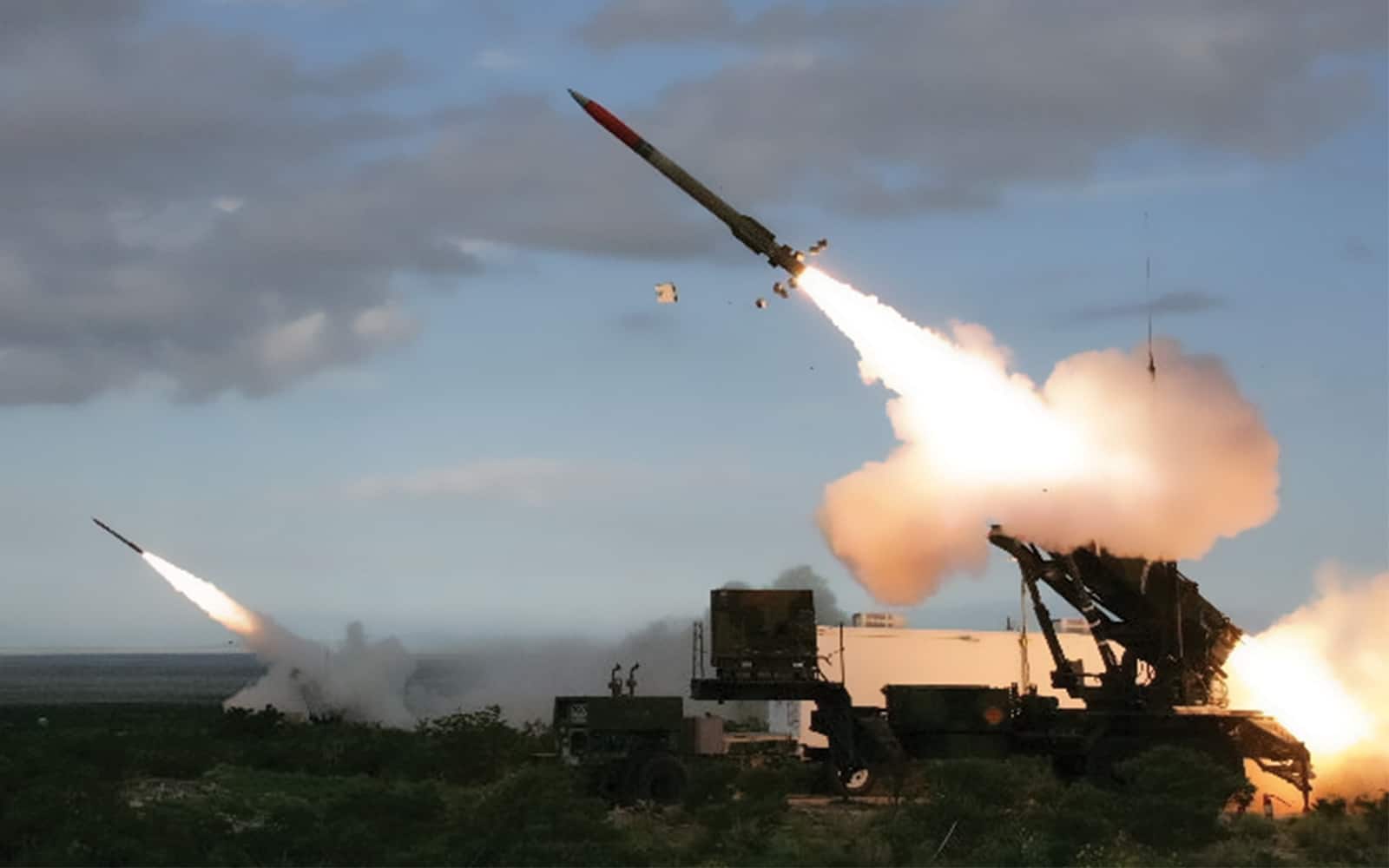
Ducommun is also getting better news from two parts of the business at once. Commercial aerospace benefited from higher Boeing and Airbus production and a multiyear 737 MAX retrofit opportunity, while missile revenue grew 68%, supported by PAC-3, SM-6, AMRAAM, Tomahawk, and Naval Strike Missile. Management said it expects significantly higher production on several programs over the next few years.
That mix lowers the risk that one weak link breaks the whole story. Aerospace provides recovery exposure; defense provides more mission-critical demand exposure.
Margin progress makes the recovery harder to dismiss
Backlog alone would not be enough if improved demand stayed purely top-line. The shift in EBITDA margin matters because it suggests the company is starting to earn better quality profits as the mix improves. Adjusted EBITDA moved from 16.9% of revenue in Q1 to 17.1% of sales in Q2.
What matters next is straightforward: - RPO and book-to-bill remain firm - missile production increases convert into sustained earnings - adjusted EBITDA margin holds up as the quarter mix changes
If those signals persist, the market can keep moving from "this quarter was good" to "the earnings base may deserve a higher multiple."
The main risk is no longer weak demand; it is high expectations
The thesis is stronger than it looked a quarter ago, but it is no longer a hidden-opportunity story. Wall Street still implies only 12% average upside, while recent target hikes put expectations at $167 from Citigroup and $155 from RBC. On the operating side, Ducommun just posted record RPO of $1.16 billion after a strong second quarter. The debate is shifting from "is the business improving?" to "has the stock already priced in too much of that improvement?"
Recency bias is the real bear case
Bulls see a durable mix shift: aerospace normalization plus defense demand. Bears will argue that recent results may be unusually strong because some production was pulled forward into the first half, and management expects low- to mid-single-digit growth in the third and fourth quarters. In other words, the market may be rewarding the recovery story before the second-half execution is fully proven.

Why backlog can still mislead
Order timing can make backlog look stronger or weaker than the underlying demand trend. A record $1.16 billion in remaining performance obligations shows future revenue visibility; it does not prove demand is accelerating. If customer orders arrive ahead of expected production, backlog can look better than the true run rate. That is why revenue conversion matters more than the headline figure.
Governance is constructive, but execution still matters most
At the April 29, 2026 annual meeting, shareholders elected CEO Stephen G. Oswald and Samara A. Strycker for three-year terms, approved executive compensation on an advisory basis, and backed the 2024 Stock Incentive Plan. That helps leadership continuity and incentive alignment, but it does not replace operating follow-through. As management has noted, forward-looking statements are subject to risks and uncertainties.
How to think about DCODCO-- after a strong 2026 run
After a 51% year-to-date gain, DCO looks less like a hidden turnaround and more like a proof trade. The operating trend has improved, and the company's aerospace and missile exposures are both getting better attention. That still deserves to be on investors' radars, but it also invites recency bias.
The setup remains constructive if execution keeps improving. It becomes less attractive if third- and fourth-quarter growth simply confirms that the first half was unusually strong. For now, selective ownership or watchlist discipline makes more sense than chasing momentum.