Norway's 16-year lease triggered the first repricing
Bitdeer just put a visible repricing setup on the tape. The company announced a $4.7 billion contracted revenue agreement in Norway, and the market reacted quickly: shares up ~23%. That is the first trade here. Investors do not need a fully settled earnings model to respond; they are paying for the possibility that BTDRBTDR-- starts trading less like a pure-play miner and more like a contracted AI-power asset.
Why the headline moved the stock
A 16-year colocation and services agreement changes how investors can frame the business, at least temporarily. Bulls see longer-duration, tenant-backed revenue replacing the earnings profile usually associated with miners. Bears see a signed deal that still has to clear closing conditions. Both points matter, but the near-term setup is straightforward: the contract was signed, the market rewarded that, and any additional rerating will depend on execution credibility.
The next leg needs effectiveness, not just a headline
The upside case is not only about the base $4.7 billion. BitdeerBTDR-- said an extension option could lift the total to about $8 billion over 24 years, but the deal is also not yet effective because it still depends on customary closing conditions. That means the next leg higher requires progress toward effectiveness and financing, not just another round of attention. If those steps arrive on schedule, the repricing can extend. If they stall, the market is likely to shift back from story to execution.
Quick Backtesting Tool
Why the Tydal contract looks more durable than a typical mining side deal
That first surge was largely a sentiment trade. What could sustain it is the sense that Tydal is starting to look more like a leased revenue asset than a speculative add-on.
The revenue base is concentrated and long-dated
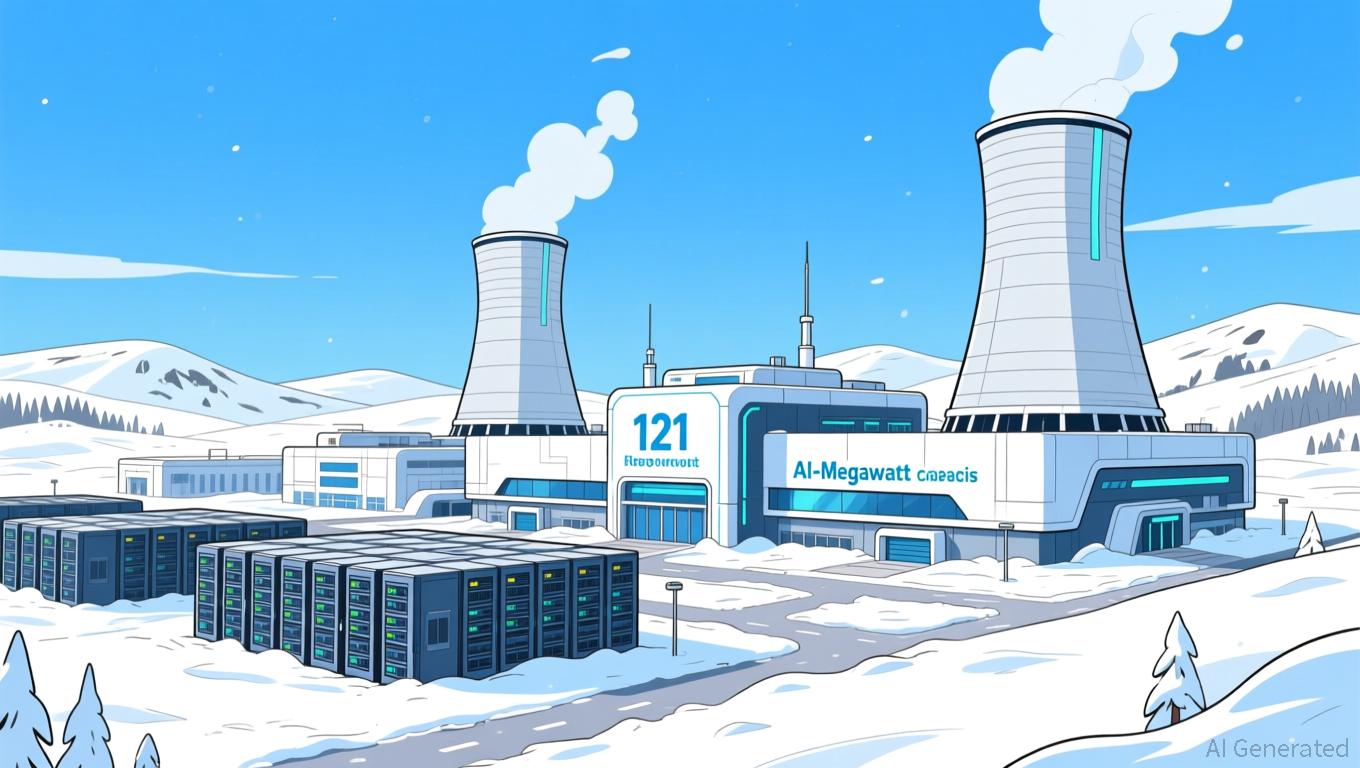
Bitdeer has committed the full 121 IT megawatts to a single tenant, so the scale is concentrated rather than spread across unknown future occupants contracts 121 MW. The income profile also looks different from Bitdeer's usual mining mix: management sees roughly $290 million in average annual revenue, with company estimates pointing to about a 90% net operating income margin. For investors, that is the main rerating lever: a long-duration lease with high margin conversion suggests more infrastructure-like cash generation and less earnings volatility.
Credit support reduces the tenant-risk argument
Bears will still argue that a signed contract does not eliminate risk. Bulls have a meaningful rebuttal in the payment-security structure: roughly $1.3 billion in letters of credit is expected, with backstop support from affiliates of J.P. Morgan and another unnamed global financial institution. That does not remove execution risk, but it does reduce the chance that future cash flow becomes dependent on the tenant's standalone willingness or ability to pay.
Retaining ownership keeps the asset upside intact
Bitdeer plans to retain ownership of the campus rather than sell through the asset. That matters because the company is not just collecting lease income; it is keeping the underlying infrastructure on its balance sheet. If AI power and compute capacity remain tight, ownership preserves value beyond the base lease and gives Bitdeer a more repeatable template for future AI-infrastructure deals.
The real debate is whether Tydal becomes a platform or a balance-sheet strain
The first rerating was a headline trade. The next one depends on whether Tydal becomes a repeatable AI-power platform or remains a one-off contract that overloads Bitdeer's funding path.
Expansion only matters if the template repeats
The bull case gets stronger if investors can underwrite expansion on terms similar to the original deal. The project still points to 133 gross megawatts of total power supporting the 121 IT MW tenant buildout, with remaining capital needs of about $500 million, and phase completion targeted for December 2026 and March 2027. That model also carries a project net operating income margin of roughly 90%, with payment obligations backed by institutional credit support. If future expansion follows that pattern, BTDR starts to look less like a miner with an AI headline and more like a leased-infrastructure asset with room to compound.
Debt and timing are still the main risks
The bear case does not require denying the opportunity. It simply says that until cleaner income shows up, more capex and more debt can overwhelm the rerating. Bitdeer has said it plans to fund the remaining capex with additional debt, and the contract is still not yet effective pending customary closing conditions. That leaves a clear execution gap: the market needs proof that higher-margin, lease-like income can support heavier leverage without turning the project into a financing story.
What would confirm or challenge the move
The key watch items are straightforward: contract effectiveness, financing closure, and construction timing. If those updates arrive, the upside is a broader re-rating toward infrastructure-style valuations. If they do not, capex, debt, and execution risk will take priority over multiples.