Satsuma Technology's owners voted to shut the company down in July, and the margin is the first tell: more than nine in ten votes cast approved selling its remaining BitcoinBTC-- and cancelling its London listing, overruling four of six directors who recommended against it. The second tell is the payout. Satsuma expects to hand back roughly £26.8 million to £30 million to shareholders. To buy Bitcoin it raised £163.6 million. That is about 18 pence for every pound that went in.
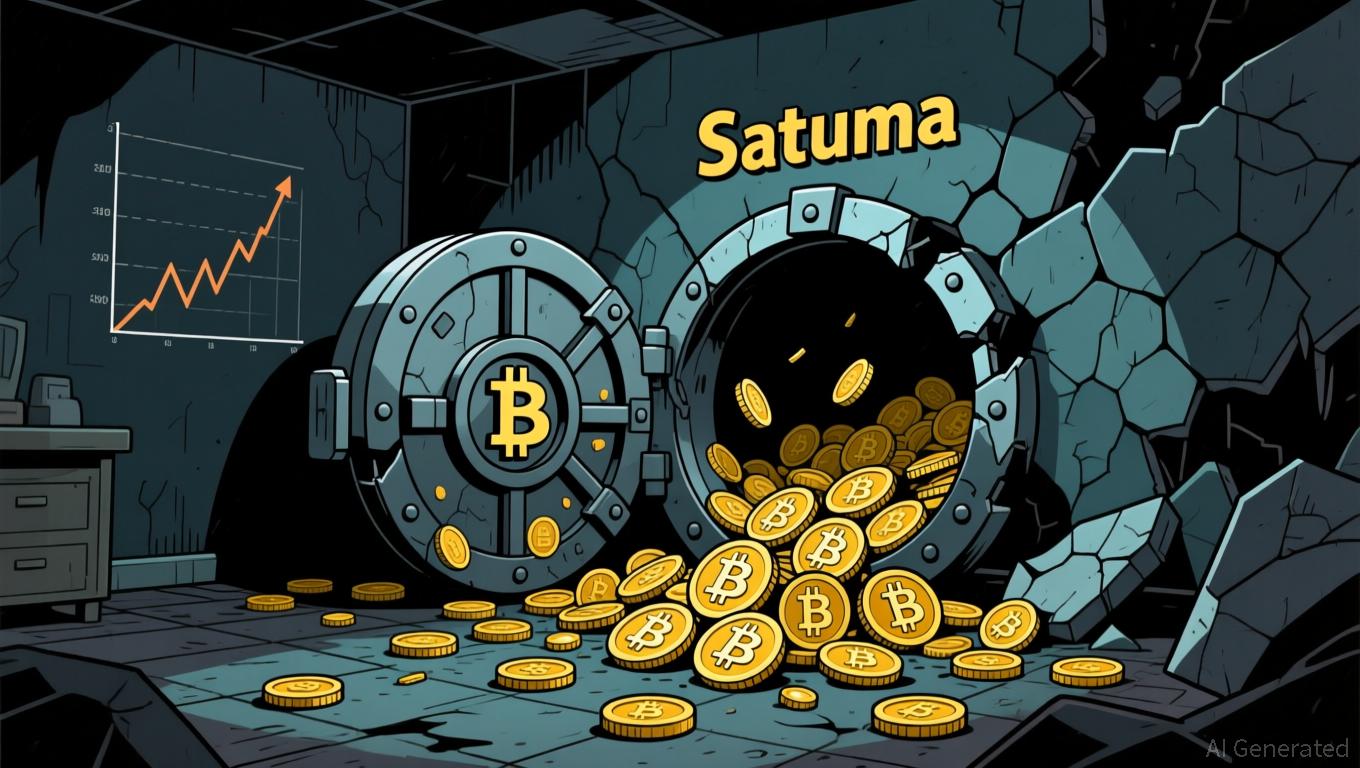
This is not a company that lost a bet on falling prices and quietly took a writedown. It is a structure that turned its own asset into the loss.
How a treasury becomes a liability
Satsuma was a small UK firm, formerly in the AI business, that in August 2025 raised £163.6 million in convertible notes — led by ParaFi Capital, with Pantera, Digital Currency Group, and Kraken among the backers — to turn itself into a listed Bitcoin treasury. The twist is in the word "notes." That is debt, and it sits above the equity. Investors who put money in this way get paid before the people at the bottom of the capital stack, and they hold whatever the equity loses.
Quick Backtesting Tool
At its peak the company held 1,199 Bitcoin. When Bitcoin retreated from its October all-time high, the pressure arrived from the noteholders first. In December 2025 Satsuma sold 579 Bitcoin for about £40 million to retire £78 million in convertible notes. Read that twice: it liquidated a chunk of the thing it existed to hold, at a weak price, to pay creditors. The CFO left in February 2026, the CEO the following month.
By spring the shares had lost 99% from a June peak near £14, and the stock fell below the value of the Bitcoin on the balance sheet — trading at a discount to net asset value of roughly 20%. The company's own numbers as of June 30 show the problem in one line: it bought its coins at an average £84,026 each, and at a spot price near $58,000 the unrealized loss was about £40,000 per coin.
The shareholders did the math, then revolted
Pantera, holding roughly 6.7% of the shares, and a shareholder group representing more than 20% of the capital made the argument that carried the day: the stock was strictly worse than owning the coin directly. If you could buy Bitcoin for $58,000 or buy a share of a company whose Bitcoin came out to more per share than its market price, the wrapper was subtracting value, not adding it.
The vote was not close. At the July 20 meeting, 90.63% of votes cast approved the return of capital and 90.59% approved delisting, against the board's recommendation. The company is now winding down on a court-approved timetable, with the listing set to be cancelled around September 14 and payments due by September 28.
The premium was the entire trade
Now the part that matters for anyone tempted by a "Bitcoin treasury" stock. Bitcoin itself did not lose 82%. It peaked near $126,000 in October 2025, fell to roughly $58,000 at the end of June — down about half — and has since recovered to the high $70,000s. That is a bad year, not an extinction event. Satsuma's equity was nearly zeroed anyway, and the sellers are locking in the loss at 18p on the pound even as the coin climbs back.
The difference is the structure between the coin and the shareholder. A treasury company that trades at a premium to its Bitcoin is a leveraged bet on Bitcoin: the buyer pays the coin's price plus a manager, plus fees, plus whatever debt sits on top, on the assumption the premium persists. Premiums persist only while someone keeps paying them, and they are the first thing to go when the coin drops. Once the premium flips to a discount, the creditors and the structure's own costs eat the equity while the coin underneath recovers. The leverage cuts in both directions, and it cuts equity harder.
Satsuma is not Strategy, and this is not a verdict on every bitcoin treasury. Satsuma was small, it loaded up near a top, and it carried debt that could force a sale. Those are real differences. But the question its own shareholders asked is the right one to bring to every one of these stocks: what does the wrapper add that owning the coin directly does not? When the answer is a premium you are funding and debt you are not senior to, the "treasury" is not exposure to Bitcoin. It is a fee you are paying for the risk of being last in line.