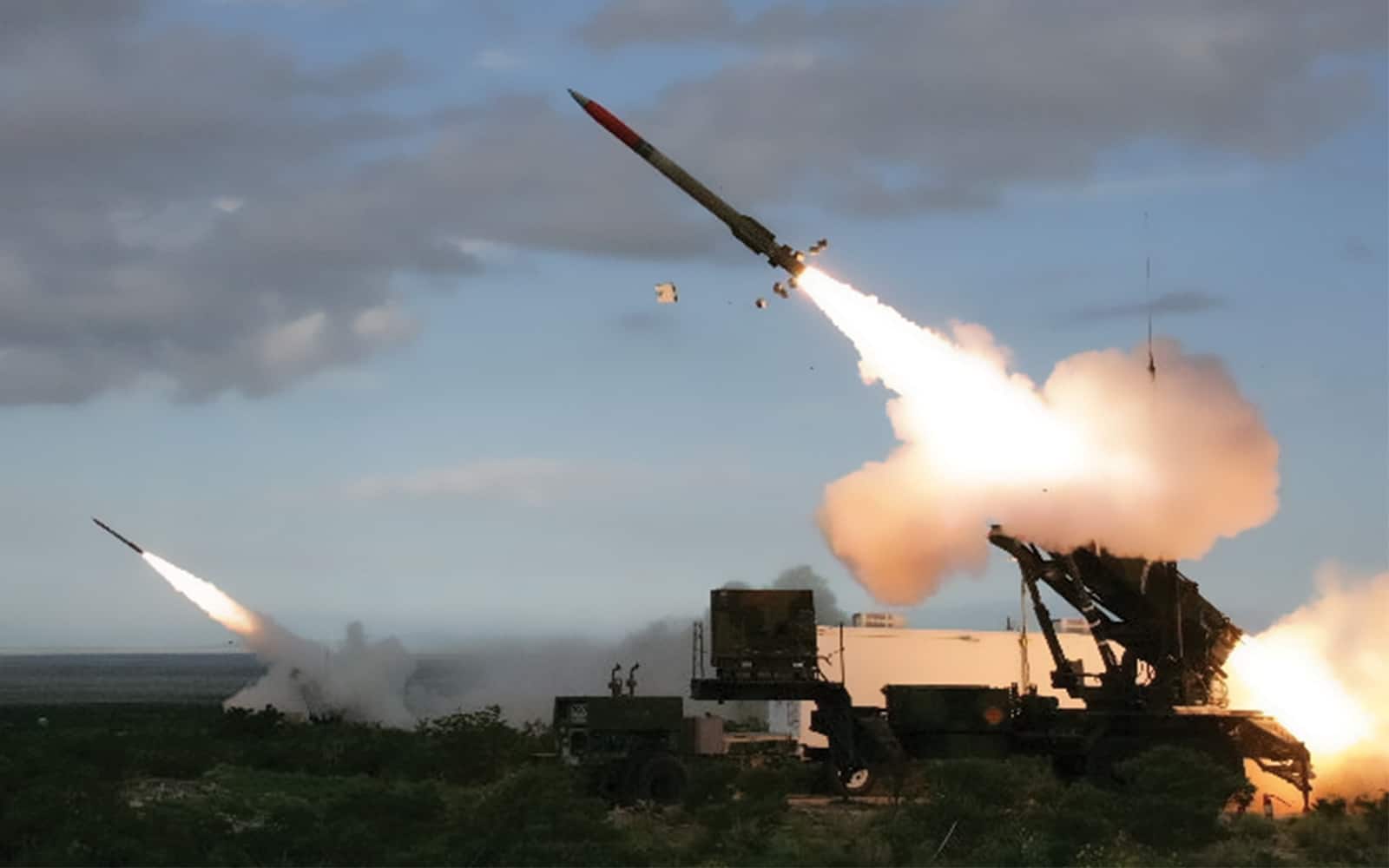
Why a tanker hit with no injuries still matters
This looks less like a standalone incident than a chokepoint repricing event. The latest ADNOC tanker attack resulted in no injuries reported, yet markets still reacted sharply after Brent crude prices jumped 10% to about $80 a barrel. Even without casualties, the incident reminded traders how vulnerable Hormuz flows still are.
ADNOC's latest warning sharpened the risk
ADNOC said three vessels were attacked this week alone, adding to the pressure on shipping through the strait. That helps explain why oil remained sensitive even when the newest hit did not cause injuries. The market is no longer waiting for a formal closure to start pricing Hormuz risk more aggressively.
A cautious read would still treat any single low-damage hit as manageable. But if prices can hold near $80 after a strike with no reported injuries, the more useful interpretation is that traders are increasingly front-loading the cost of possible disruption.
Quick Backtesting Tool
Repeated attacks affect timing and freight before they create an obvious barrel shortage
The next question is not just whether barrels are produced, but whether they can move on time and at a price buyers will accept.
Why the 15th attack matters more than the headline
ADNOC said 15 of its vessels had been attacked since the conflict began. Repeated exposure changes the shipping calculation quickly. When strikes cluster, insurers and shipowners are more likely to treat passage as a live risk rather than routine transit, which can raise costs, tighten availability, and stretch delivery windows.
That matters because the Strait of Hormuz carried roughly one-fifth of global oil consumption before the broader conflict. Even when traffic is still moving, a narrow corridor can still be disrupted enough to matter. Earlier this week, 78 vessels transited in a single day, the most in a single day since the war began. High throughput can look stable until delays, reroutes, or insurance hikes expose how little spare capacity really exists.
ADNOC is flagging operational strain
ADNOC said the attacks are having a significant impact on operations as it tries to keep crude, gas, and refined products moving. That wording points to a logistics problem, not just a news cycle. The first transmission channel is freight and reliability; the second is whether buyers start demanding a premium for certainty of delivery.
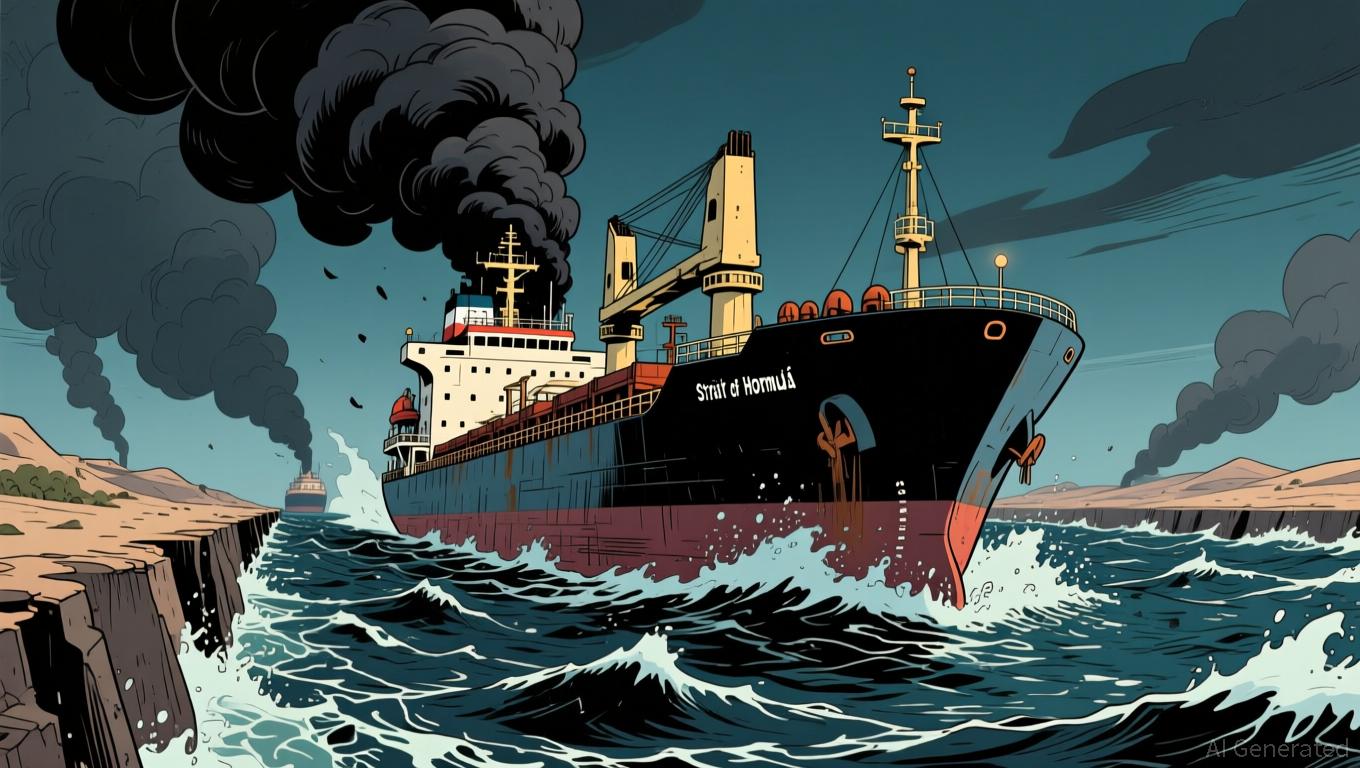
Oil's move from $75 to $80 is the signal traders are watching
The key question is whether Hormuz risk stays a headline or becomes a pricing trend. One useful marker is Brent's move from about $75 a barrel to roughly $80 a barrel after the latest shock. If that level holds or extends, the market is doing more than reacting to one attack; it is starting to underwrite a more sustained disruption scenario.
What would confirm the rerating
- Traffic keeps moving, but prices stay firm. A recent day when 78 vessels transited is the clearest normalization counterpoint. If throughput stays near that level and oil still trades higher, traders are explicitly pricing fear and delay risk.
- Caution in shipping continues. Traders already saw Hundreds of tankers carrying oil and liquid natural gas have dropped anchor or remain stationary, while major operators paused crossings as a precaution. If that behavior returns, the premium can widen before any new attack makes the front page.
- ADNOC keeps describing real operating strain. The company said attacks are having a significant impact on operations and described an exceptionally challenging environment. That supports the view that this is a logistics-stress story, not just a passing headline.
What would argue the spike is fading
If vessel flow remains steady and Brent can no longer hold the jump from about $75 to roughly $80, that would suggest the market sees this as manageable friction rather than a lasting rerating. In that case, the better response would be to stay constructive on oil without paying for further escalation.