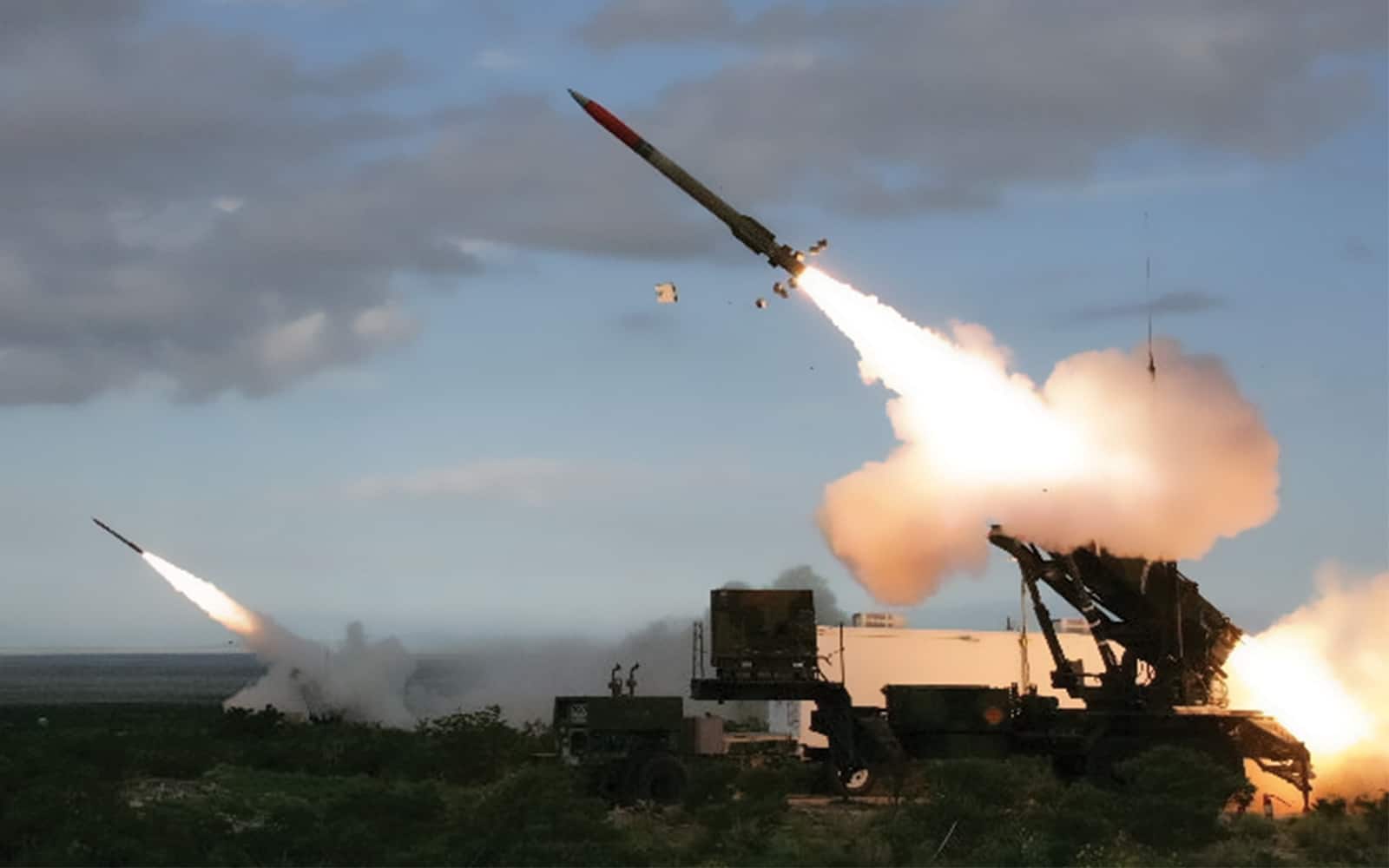
The attack renewed the Hormuz risk premium
Brent's 3.4% increase to about $112 a barrel signals that traders are re-pricing Hormuz risk after an alleged Iranian drone strike on an ADNOC-linked tanker and fresh Iranian warnings that foreign forces could be targeted in the strait.
ADNOC's toll is broadening the concern
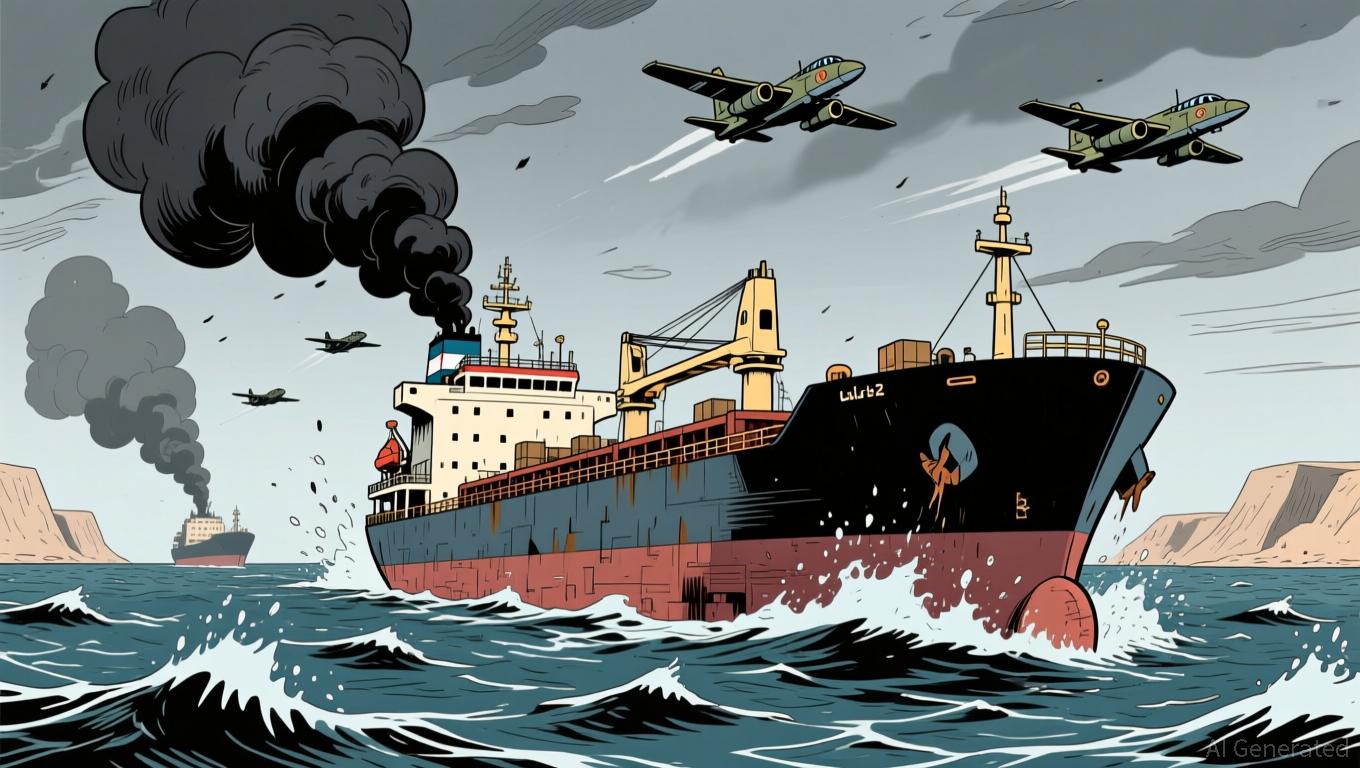
This is looking less like an isolated headline and more like a pattern. ADNOC said 15 of its vessels had been attacked since the conflict began, including three in one week, with one crew member killed and 20 injured. When a major producer's fleet keeps showing up in reports of attacks, markets start underwriting disruption to flow rather than dismissing each incident on its own.
Alternative routes limit the damage, but they do not erase it
Bulls can argue that oil is still only mid-range after the move toward $112 and well below last week's $126 peak. If shipping pressure in the strait persists, another escalation could still drive prices back toward that recent high.
Quick Backtesting Tool
Bears can argue that the market may still be overreacting to a single attack, however serious. The UAE can bypass the Strait of Hormuz, and Saudi Arabia can divert shipments through the East-West Crude Oil Pipeline. Those workarounds do not make the threat disappear, but they do suggest the shock may be contained unless attacks spread faster than those alternatives can absorb it.
The real question is whether the market has priced enough
Hormuz may already be influencing the oil trade, or it may still be only half-priced in. For now, the key watchpoint is not just one attack, but whether shipping disruption in the strait becomes frequent enough to keep pushing the risk premium higher.