ADNOC's report keeps Strait of Hormuz risk active
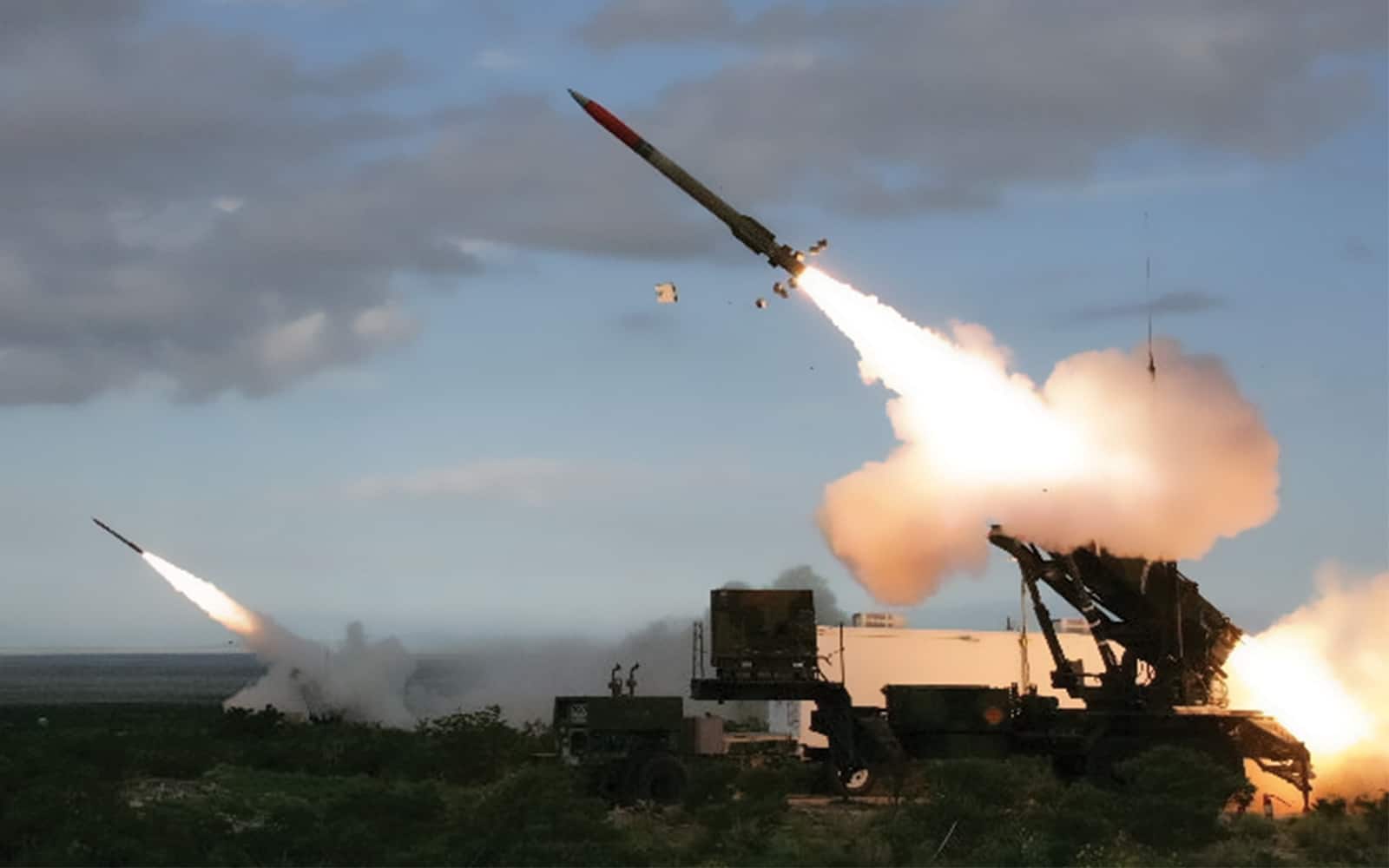
ADNOC's latest update matters because it points to ongoing operating risk, not just a passing headline. The company said 15 of its vessels have been targeted by missiles and drones since the conflict started, including three vessels attacked this week alone. When a major exporter reports repeated strikes on its fleet, the Strait of Hormuz stops looking like background noise and starts looking like an active supply constraint.
Why some investors may still be too calm
The bullish case is straightforward: traffic has not stayed at crisis lows, and some vessels are moving again. Tanker transits have recovered from the bottom, and empty tankers heading into the Gulf suggest owners are starting to position for a return to normal trade.
But the rebound still looks fragile. Just three commodity vessels crossed the Strait of Hormuz on Thursday, the fewest daily transits since May, while most other ships halted or made U-turns. That does not look like a settled recovery; it looks like a market still being tested.
Quick Backtesting Tool
The real question is whether investors are underestimating how quickly Hormuz risk can shift from episodic threat to actual supply friction if attacks and disruptions continue.
Traffic and freight are the clearer read on supply pressure
The headline is not the whole story. What matters more is whether the chokepoint is starting to restrict marginal supply again.
Thin transits matter more than the press release
Yes, some ships are moving again. But three commodity vessels crossed the Strait of Hormuz on Thursday, and earlier in the disruption just 11 vessels crossed in a day when the strait normally sees about 125. That is a sharp thinning of flows, not a return to normal rerouting.
When traffic drops this hard, the market loses more than barrels in a given day. It also loses flexibility. A second day with no VLCCs or LNG tankers passing through means the largest-volume cargoes are the first to disappear from the system. At the same time, two VLCCs were tracked outside the strait, carrying 2 million barrels each. Those barrels exist, but they are delayed by risk rather than freely moving through the market.
Why freight is the better near-term signal
That is why freight rates for shipping through the Strait of Hormuz matter so much. Reuters said those rates have retreated from peaks but remain elevated, which suggests the market is still pricing uncertainty, insurance, delays, and possible diversions. In that context, a calmer headline can be misleading if transport costs through the chokepoint are still high.
The mechanism is simple:
- fewer transits
- higher freight
- longer effective supply chains
- tighter destination inventories
When that chain tightens, oil and LNG are no longer priced on global stock levels alone. They start getting repriced on whether the chokepoint can keep moving cargo.
Bull and bear readings
Bulls can fairly point to empty tankers heading into the Gulf and recovering transits as signs that owners expect normalization. But that is still an expectation, not proof that the system is functioning normally.
Bears have the cleaner current read. Shipments have already been suspended through the Strait of Hormuz, and the recent recovery has not yet looked durable enough to erase risk.
What would confirm or invalidate the Hormuz-risk thesis
Oil is already responding to diplomacy. Prices moved on reports of progress in Iran-Oman talks, which shows how quickly optimism can cut a risk premium. But the same applies in reverse if that off-ramp stalls.
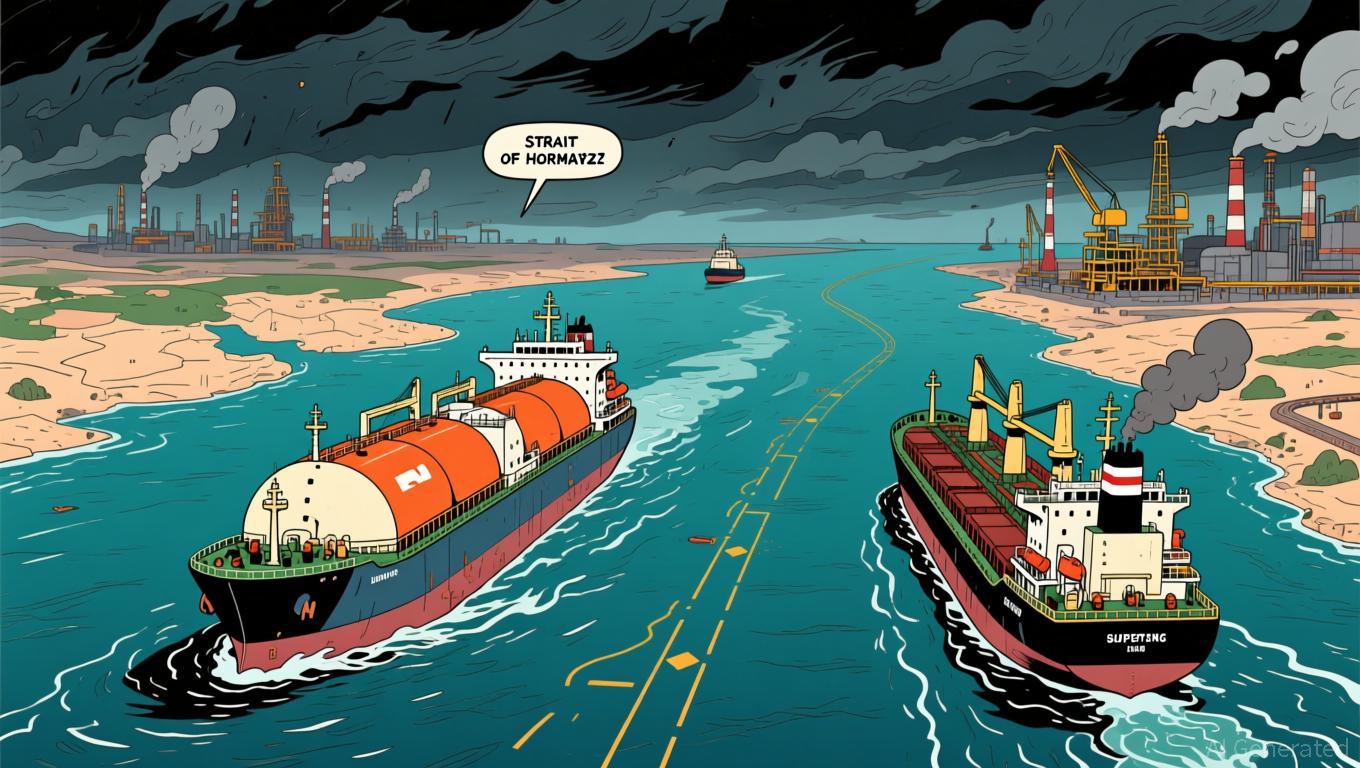
The broader point is simple: Hormuz should not be treated as a static backdrop. After shipments were suspended through the Strait of Hormuz, traffic collapsed by more than 90% at the height of the disruption, and ADNOC reported that 15 of its vessels have been targeted, the bottleneck remains live. The question is whether risk is starting to turn back into real freight and delivery pressure.
Signals that support the thesis
- More attacks or threats against commercial vessels.
- Renewed shipment suspensions by tanker or LNG operators.
- Traffic staying far below normal, as it did when three commodity vessels crossed the Strait of Hormuz on Thursday.
- Freight and insurance costs remaining elevated.
Signals that would weaken it
- A tangible de-escalation linked to the Oman channel.
- Tanker transits recovering in a sustained way, not in short bursts.
- Oil prices steadily retreating as deal optimism improves.
A useful noise check
Do not mistake calmer container-market data for proof that Hormuz risk has passed. Global container freight rates are showing stability even amid regional stress, a reminder that different shipping segments react on different timelines. Container markets can absorb noise longer than oil and LNG tanker markets.
For now, the clearest watchpoints remain Brent, Hormuz tanker transits, freight and insurance costs, and any formal shipment suspensions. If traffic stays thin, the market may still be underestimating supply friction.