The rally is real, but durability is still unproven
The market won the day without settling the larger debate.
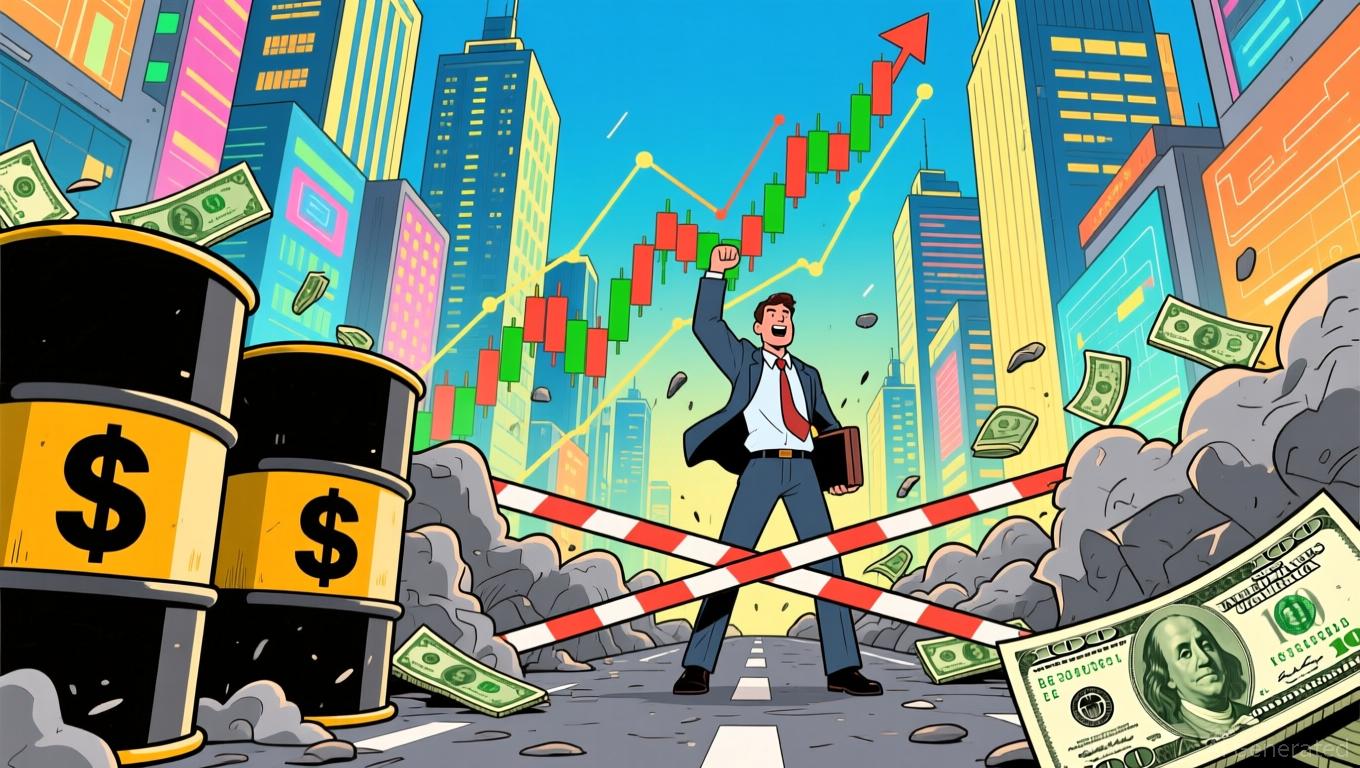
On Thursday, the S&P 500 rallied 1.7% and mostly recovered the prior session's loss. The Nasdaq also bounced 2.8% after trading at least 9.8% below its record. Friday morning action kept that rebound alive, with major averages looking poised for a weekly gain as AmazonAMZN-- added fuel after earnings and stocks are extending their rally. In simple terms, panic selling gave way to a relief bounce before the week was over.
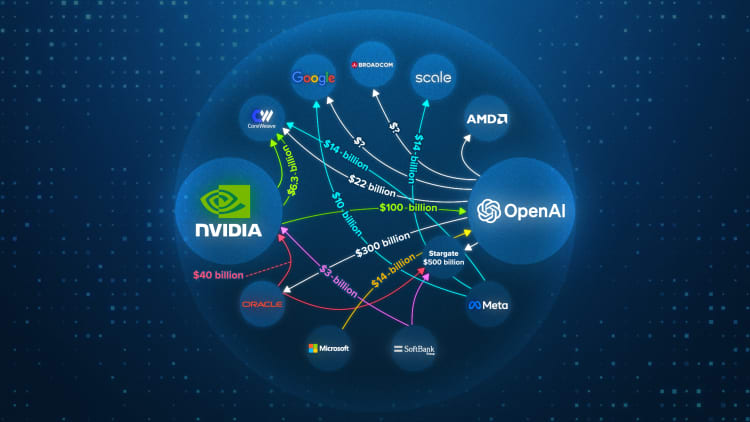
The bigger question is what is powering the move. So far, the rally remains selective, with the clearest strength coming from companies that appeared to show AI spending could turn into profit. Microsoft's sharp rise followed a quarter with a stronger profit than analysts expected and strong Azure growth, without a new promise of heavier AI investment. That matters because investors have been impatient with large AI budgets that do not yet show clear payback.
The bull case is straightforward: if Big Tech keeps converting AI investment into earnings, the rally can hold. The bear case is that the advance is still narrow. Warning lights have not disappeared-worries remained about inflation potentially remaining high for years, and oil prices and bond yields are moving higher. For now, this looks more like a breathing spell than a clean all-clear.
Quick Backtesting Tool
AI profitability and cooling inflation are both supporting the market
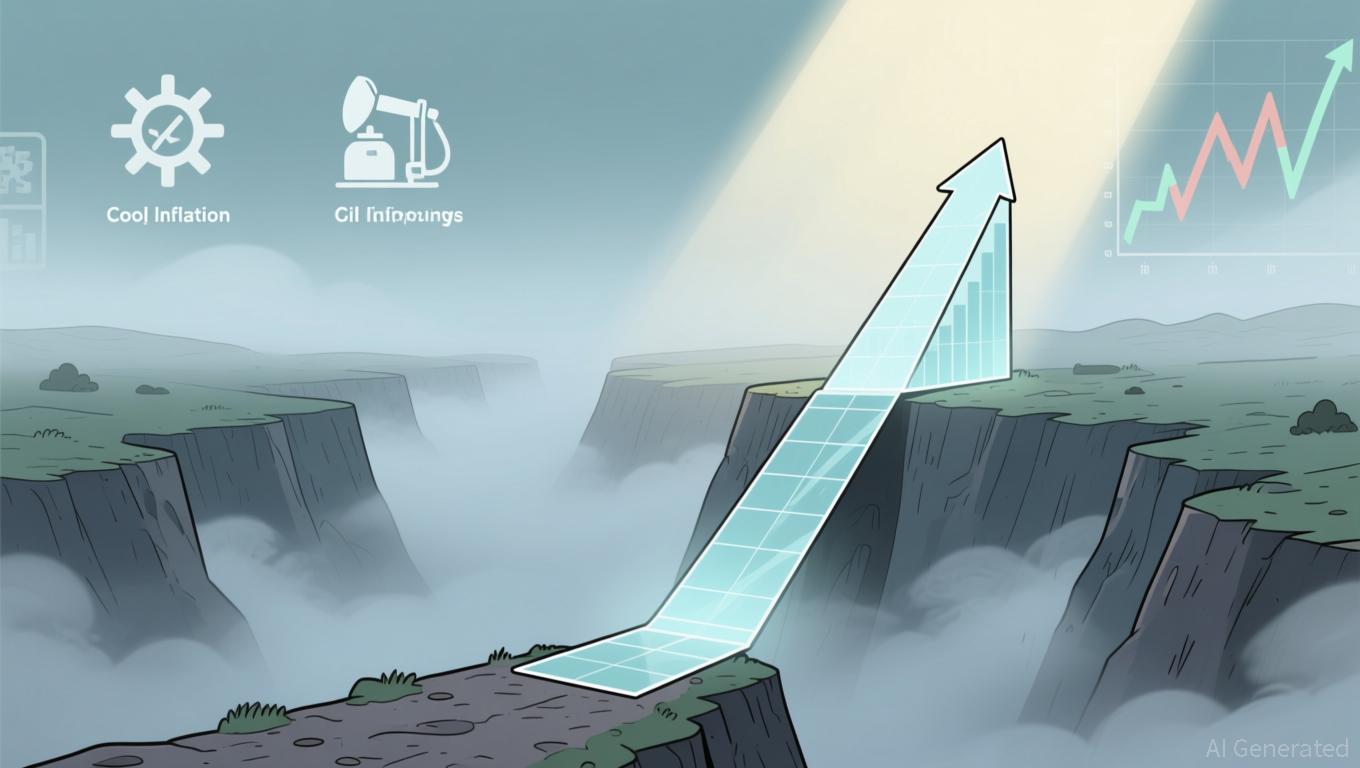
The immediate rebound gave investors a second look, but the real argument is now about durability. Two forces are shaping the tape: some AI leaders are starting to show that spending can translate into profit, and a cooler inflation print has made investors more willing to pay for that profit.
Cooling inflation improved the backdrop
June CPI fell 0.4% month over month, and core CPI eased to 2.6%. After that data, the market pulled back some of its hike concerns ahead of the July 28-29 Fed meeting. That shift matters because lower expected rates can support equity valuations more broadly, not just in one sector.
Goldman Sachs is explicitly trading that logic. It now sees the S&P 500 at 6,600 in six months and 6,900 in 12 months, a call built on earlier and deeper rate easing, continued strength in the largest stocks, and investors' willingness to tolerate near-term earnings wobbles. In plain English, bulls are betting that easier monetary conditions plus resilient earnings can keep the market higher.
Breadth is improving, but not enough to close the case
There were signs of wider participation last week: eight of eleven sectors finished higher, even though the gap between large-cap value and large-cap growth was the widest of the year. That is progress, but it is not the same as a fully broadened rally.
That is why the coming week matters. Alphabet and Tesla report Wednesday, Intel reports Thursday, and global flash PMIs arrive Friday. That week is described as the most comprehensive single-week read yet on whether AI spending is generating real returns. At the same time, Goldman's outlook depends on continued strength in the largest stocks, while a more durable rally needs broader market participation across sectors, company sizes and global stocks.
What would make the rally more credible?
The next move probably depends less on headlines than on whether this rebound starts passing the same business-results test that helped lift MicrosoftMSFT-- and the broader market.
What would support the bull case
- More profit proof: Another company like Microsoft would need to show that AI spending is translating into real earnings strength.
- Rate relief to hold: The recent setup helped because rate expectations repriced after inflation cooled.
- Better breadth: A sturdier rally likely needs broader market participation across sectors, company sizes and global stocks, not just repeated leadership from the same megacaps.
What could expose the rebound as a trap
- Oil and inflation anxiety again:Brent crude futures rose about 3.4%, and a week earlier oil had surged 13%. If energy prices start feeding fresh inflation worries, the rate-relief story weakens.
- Leadership narrowing again: If the bounce keeps leaning on one or two winners while the rest of the market lags, the rally remains fragile.
- Headroom stays limited: The rebound is still happening even as oil prices and bond yields are moving higher and the S&P 500 remains south of its 50-day moving average.
Right now, stocks are extending their rally, but the setup still looks more like a test than a conclusion.