Most of us think of Social Security as the pension we earn for ourselves. There is a second check that doesn't depend on your own work record at all — and more than four in ten Americans nearing retirement age don't know it exists.
If you were married for at least 10 years before a divorce, you may be eligible to collect benefits on your ex-spouse's earnings record. Not as a favor. Not as alimony. As a statutory right that the Social Security Administration pays without your ex's knowledge, permission, or consent.
For people with limited earning history, this isn't a nice-to-have supplement. It's a guaranteed income stream that can be the difference between a livable retirement and a poverty-level one.
Quick Backtesting Tool
The 10-Year Cliff
The rule is simple and unforgiving. Your marriage must have lasted for at least 10 continuous years. Nine years and 11 months? The benefit doesn't exist. Ten years and one day? The door opens.
There are no waivers. No hardship exceptions. The SSA may combine two marriages to the same person if they were continuous and the second began within the calendar year after the divorce became final. But for a single marriage that falls just short, the benefit is zero.
What you receive depends on when you claim, and the arithmetic is blunt. The maximum divorced-spouse benefit is 50% of your ex-spouse’s full retirement benefit amount — the benefit they would receive at their full retirement age. File at age 62 and that drops to 32.5%. Wait until your own full retirement age (67 for anyone born in 1960 or later) and you get the full 50%. Unlike your individual Social Security benefit, which keeps growing if you delay past full retirement age up to 70, the spousal benefit is fixed at FRA. There's no incentive to wait beyond it.
To put it in dollar terms: if your ex-spouse's full retirement benefit is $2,600 per month, the divorced-spouse benefit at FRA is $1,300. Claim at 62 and it's about $845. That difference of $455 per month compounds into roughly $81,000 over 15 years of collecting the higher amount. The lesson here is the same one that applies to any income stream: don't discount a payment you're entitled to.
The Rules That Catch People
Beyond the 10-year threshold, four other requirements govern eligibility. Each one is straightforward, but each one trips people up:
- You must be at least 62. No early claims before this age.
- You must be unmarried. Remarrying generally ends your eligibility for benefits on a living ex-spouse's record. If the later marriage ends through death, divorce, or annulment, eligibility may return.
- Your ex-spouse must qualify for Social Security. They need enough work credits — typically 40, or about 10 years of full-time work. They don't need to have filed yet, unless you haven't been divorced for two years. In that case, you wait.
- The benefit must exceed your own. The SSA pays the higher of your individual retirement benefit or the divorced-spouse amount. They don't stack. If your own earnings record produces a larger check, you keep yours and the spousal benefit simply doesn't matter.
A detail that surprises most people: the SSA does not notify your ex-spouse when you file. Your ex doesn't see your name on any statement, and their benefit amount is not reduced. Multiple former spouses can draw benefits on the same earnings record simultaneously. The program is designed so that your claim is invisible to everyone except you.
Why This Is a Poverty Question, Not a Filing Strategy
Here is the part that changes how you think about this benefit.
SSA projections show that by 2050, roughly 489,000 divorced spousal beneficiaries will be aged 62 or older. More than 80% will be women. The median marriage to their ex-spouse lasted 20 years.
The economic profile of these beneficiaries is stark. Twenty-two percent live below the poverty threshold on their scheduled benefits, compared to just 5% across all Social Security beneficiaries. When you factor in the earnings test — which withholds benefits from people who still work below full retirement age — the share of divorced spousal beneficiaries falling below the poverty line jumps to 40%, versus 9% for all beneficiaries.
This benefit isn't a clever optimization for well-off retirees. It's a floor for people whose careers were interrupted by caregiving, who earned little during the marriage, or who never had enough independent work history to build a robust earnings record on their own.
And more than 40% of Americans nearing retirement don't know this option exists, according to MassMutual's 2024 survey on Social Security knowledge. The people who need it most are the ones who are least likely to call.
Your Divorce Decree Can't Block This
Some divorce agreements include clauses saying one spouse waives the right to collect on the other's Social Security. Those clauses are, in the words of financial educators who work with the SSA, "worthless and never enforced". Social Security eligibility is governed by federal statute, not private contracts. If you meet the requirements, you can file regardless of what your divorce decree says.
Survivor Benefits Run the Other Way
The rules flip if your ex-spouse dies. Divorced survivor benefits — separate from the living divorced-spouse benefit — can reach 100% of the deceased ex-spouse’s benefit amount if you claim at your full retirement age. You can start as early as 60, or 50 if disabled. And unlike the living-spouse benefit, remarriage doesn't disqualify you if the remarriage happens after age 60.
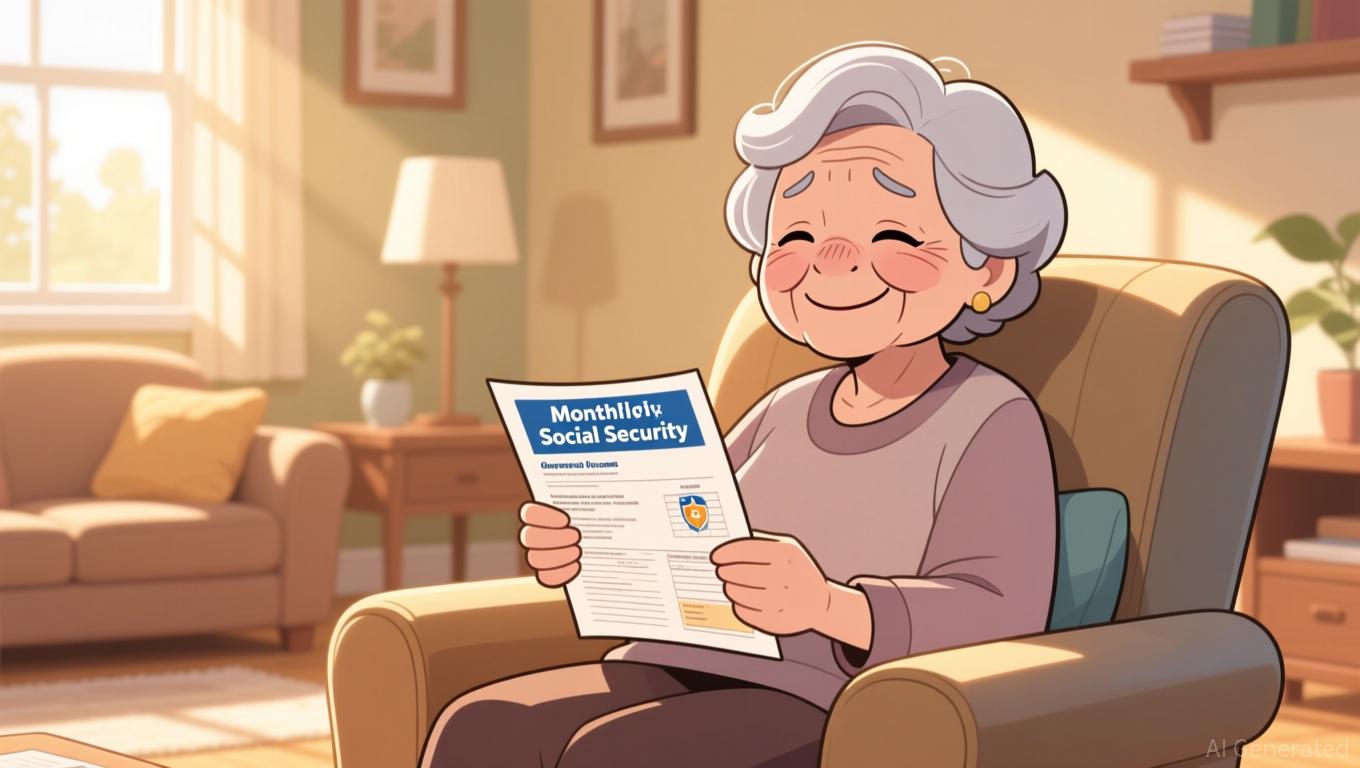
This is where the math shifts most dramatically. A $2,600 ex-spouse benefit becomes $2,600 for you, not $1,300. For someone whose own benefit might be $800, the survivor claim effectively replaces the lower check entirely.
What to Do Next
The action step is unglamorous but specific. Call the SSA at 1-800-772-1213 or visit a local office and ask for an estimate of your divorced-spouse benefit. You'll need your divorce decree (which proves the marriage duration and divorce date) and your ex-spouse's Social Security number, though you can still apply if you don't have the number and can provide other identifying information.
If the benefit estimate exceeds your own projected retirement check, you've identified a guaranteed income stream that requires no market exposure, no credit risk, and no one's permission. It is, by any measure, the closest thing to a risk-free dividend that exists.
For people within a year or two of crossing the 10-year anniversary of their marriage, the calendar is the only thing standing between you and this benefit. For everyone else who might qualify but doesn't know it, the clock is just age — and the earlier you check, the more options you have for how and when to claim.
The income engine doesn't care about how the marriage ended. It only cares about whether you meet the requirements and whether you actually file.