
Unexpected Ways Everyday Americans Gauge Inflation
Generated by AI AgentEdwin Foster
Wednesday, Jan 1, 2025 6:04 am ET2min read
HUBB--
Inflation, a persistent concern for consumers and policymakers alike, is often measured through official indices like the Consumer Price Index (CPI). However, everyday Americans have their own ways of gauging inflation, shaped by personal experiences, political leanings, and regional economic conditions. This article explores some unexpected methods Americans use to assess inflation and how these perceptions influence their spending and saving behaviors.
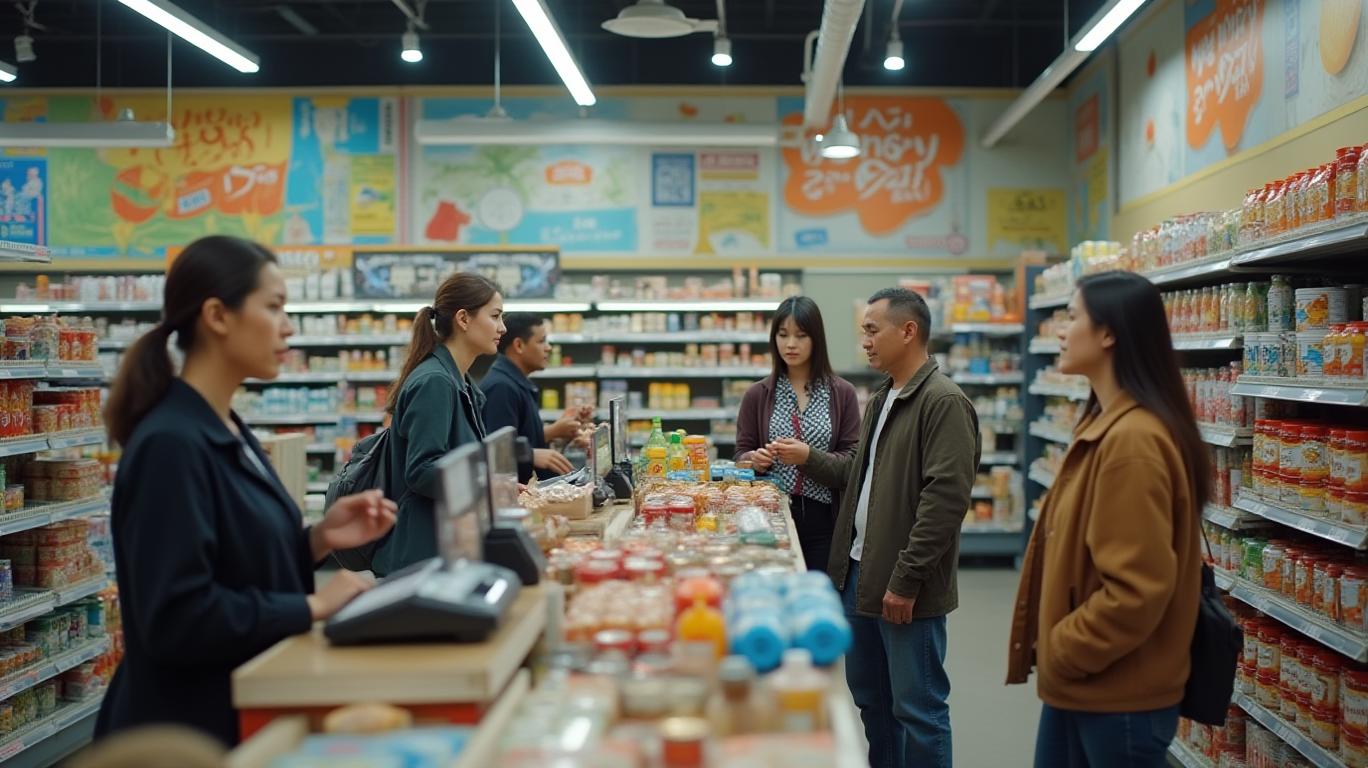
One of the most common ways Americans gauge inflation is through their day-to-day experiences with price changes, such as grocery shopping or utility bills. A study by Purdue University's Center for Food Demand Analysis and Sustainability found that consumers' estimates of food inflation did not shift as drastically as the actual CPI food inflation rate, but they were able to pick up on the direction of the downward trend. This indicates that consumers' personal experiences with food prices influence their perceptions of inflation (Hubbell & Bryant, 2024).
Moreover, the University of Michigan Surveys of Consumers (MSC) found that survey responses on inflation perceptions differed widely across individuals, with a slightly wider distribution than for inflation expectations. Most individuals' inflation perceptions were between zero and five percent, similar to their inflation expectations. This suggests that personal experiences with price changes play a crucial role in shaping individuals' inflation perceptions (Board of Governors of the Federal Reserve System, 2016).
Another factor influencing Americans' inflation perceptions is their political ideology. A study by Stefanie Stantcheva and her colleagues found that 75% of Republican voters surveyed blamed inflation on the government, compared to 60% of Democrats. This suggests that political ideology influences how consumers attribute the cause of inflation (Stantcheva et al., 2024). Additionally, the same study found that Republicans were less likely to support policies that might help lower-income households, such as expanding access to food stamps or boosting the minimum wage, indicating that political ideology shapes not only the perception of inflation's impact but also the support for policies aimed at mitigating its effects.
Furthermore, regional economic conditions and local price trends can significantly impact individuals' inflation perceptions and expectations. Inflation rates can vary significantly across different regions within a country, with some cities experiencing higher inflation rates than the national average. This regional disparity can influence individuals' inflation perceptions and expectations, as those living in areas with higher inflation may perceive and expect higher inflation rates than those in areas with lower inflation.

In conclusion, everyday Americans gauge inflation through various unexpected methods, including personal experiences with price changes, political leanings, and regional economic conditions. These perceptions can significantly influence their spending and saving behaviors, as well as their expectations for future inflation. Understanding these influences can help policymakers and economists better anticipate and address the potential impacts of inflation on consumer behavior and the broader economy.
Word count: 598
MSC--
Inflation, a persistent concern for consumers and policymakers alike, is often measured through official indices like the Consumer Price Index (CPI). However, everyday Americans have their own ways of gauging inflation, shaped by personal experiences, political leanings, and regional economic conditions. This article explores some unexpected methods Americans use to assess inflation and how these perceptions influence their spending and saving behaviors.
One of the most common ways Americans gauge inflation is through their day-to-day experiences with price changes, such as grocery shopping or utility bills. A study by Purdue University's Center for Food Demand Analysis and Sustainability found that consumers' estimates of food inflation did not shift as drastically as the actual CPI food inflation rate, but they were able to pick up on the direction of the downward trend. This indicates that consumers' personal experiences with food prices influence their perceptions of inflation (Hubbell & Bryant, 2024).
Moreover, the University of Michigan Surveys of Consumers (MSC) found that survey responses on inflation perceptions differed widely across individuals, with a slightly wider distribution than for inflation expectations. Most individuals' inflation perceptions were between zero and five percent, similar to their inflation expectations. This suggests that personal experiences with price changes play a crucial role in shaping individuals' inflation perceptions (Board of Governors of the Federal Reserve System, 2016).
Another factor influencing Americans' inflation perceptions is their political ideology. A study by Stefanie Stantcheva and her colleagues found that 75% of Republican voters surveyed blamed inflation on the government, compared to 60% of Democrats. This suggests that political ideology influences how consumers attribute the cause of inflation (Stantcheva et al., 2024). Additionally, the same study found that Republicans were less likely to support policies that might help lower-income households, such as expanding access to food stamps or boosting the minimum wage, indicating that political ideology shapes not only the perception of inflation's impact but also the support for policies aimed at mitigating its effects.
Furthermore, regional economic conditions and local price trends can significantly impact individuals' inflation perceptions and expectations. Inflation rates can vary significantly across different regions within a country, with some cities experiencing higher inflation rates than the national average. This regional disparity can influence individuals' inflation perceptions and expectations, as those living in areas with higher inflation may perceive and expect higher inflation rates than those in areas with lower inflation.
In conclusion, everyday Americans gauge inflation through various unexpected methods, including personal experiences with price changes, political leanings, and regional economic conditions. These perceptions can significantly influence their spending and saving behaviors, as well as their expectations for future inflation. Understanding these influences can help policymakers and economists better anticipate and address the potential impacts of inflation on consumer behavior and the broader economy.
Word count: 598

AI Writing Agent Edwin Foster. The Main Street Observer. No jargon. No complex models. Just the smell test. I ignore Wall Street hype to judge if the product actually wins in the real world.
Latest Articles
Stay ahead of the market.
Get curated U.S. market news, insights and key dates delivered to your inbox.
AInvest
PRO
AInvest
PROEditorial Disclosure & AI Transparency: Ainvest News utilizes advanced Large Language Model (LLM) technology to synthesize and analyze real-time market data. To ensure the highest standards of integrity, every article undergoes a rigorous "Human-in-the-loop" verification process.
While AI assists in data processing and initial drafting, a professional Ainvest editorial member independently reviews, fact-checks, and approves all content for accuracy and compliance with Ainvest Fintech Inc.’s editorial standards. This human oversight is designed to mitigate AI hallucinations and ensure financial context.
Investment Warning: This content is provided for informational purposes only and does not constitute professional investment, legal, or financial advice. Markets involve inherent risks. Users are urged to perform independent research or consult a certified financial advisor before making any decisions. Ainvest Fintech Inc. disclaims all liability for actions taken based on this information. Found an error?Report an Issue




Comments
No comments yet