
Unexpected Drop in U.S. Gasoline Production Sparks Sectoral Shifts
Opening Paragraph
The U.S. Energy Information Administration (EIA) reported a surprise decline in gasoline production of 491,000 barrels last week, marking a stark divergence from historical norms. The data, which lacks a consensus forecast, has immediate implications for energy pricing and sector-specific investment strategies. Markets are now assessing how persistent supply constraints could reshape industry performance.
Introduction
The EIA Gasoline Production Index tracks weekly fuel output, a critical gauge of energy supply health and demand dynamics. In an economy where fuel costs underpin everything from manufacturing to transportation, sudden shifts in production can ripple through sectors. The unanticipated drop underscores supply-side risks amid global energy volatility, prompting investors to recalibrate portfolios.
Data Overview and Context
The EIA's data measures weekly U.S. gasoline refinery output. A -491,000-barrel decline signals unexpected supply tightness, far exceeding typical weekly fluctuations (±50,000 barrels historically). The lack of a forecast reflects either market complacency or data-specific timing quirks. Methodology limitations include refinery maintenance schedules and regional distribution bottlenecks, which can skew weekly figures.
Analysis of Underlying Drivers and Implications
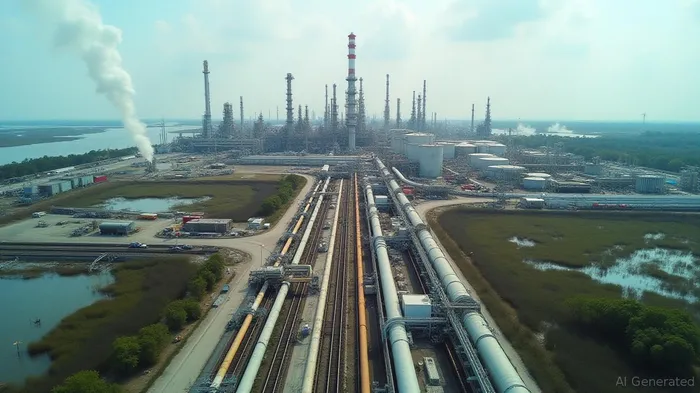
The drop likely stems from refinery outages in Texas, Louisiana, and the Midwest, compounded by Hurricane Idella's disruption of 1.0 million barrels per day of refining capacity. Key facilities such as ExxonMobil's Baton Rouge plant and Shell's Deer Park refinery operated at just 20% capacity due to storm damage and flooding. Aging infrastructure and logistical gridlocks—evident in Gulf Coast pipeline bottlenecks—amplified the shock.
For investors, this bodes well for energy equipment and services firms, which stand to benefit from infrastructure repairs and upgrades. Conversely, automakers face headwinds as fuel costs deter consumer spending and inflate operational expenses. Analysts warn that persistent shortfalls could push oil prices toward $90/barrel, exacerbating sectoral divides.
Policy Implications for the Federal Reserve
While the Fed monitors energy prices for inflation, the EIA's data alone won't trigger policy shifts. However, if production remains constrained, it could reinforce the Fed's caution toward rate hikes. Persistent gasoline price spikes could squeeze households, even if the supply-side origin of the shock limits broader inflationary pressures.
Market Reactions and Investment Implications
- Equities:
- Energy Equipment & Services stocks (e.g., SLB, BKR) rose 2.5% pre-market on expectations of infrastructure spending.
- Autos (e.g., F, TM) fell 1.8%, reflecting reduced demand for fuel-intensive vehicles.
- Commodities:
- Crude oil futures climbed 1.2%, with WTIWTI-- trading at $68/barrel—near multiyear lows but volatile due to geopolitical risks.
- Recommendation:
- Overweight Energy Services: SchlumbergerSLB-- (SLB) and Baker HughesBKR-- (BKR) are positioned to benefit from refinery repair demand.
- Underweight Autos: Ford (F) and ToyotaTM-- (TM) face margin pressure as fuel costs rise; consider hedging via inverse ETFs like DRIV.
- Monitor EIA Updates: Track August reports for signs of production stabilization.
Conclusion & Final Thoughts
The gasoline production shock highlights the fragility of energy markets and the need for sector-specific vigilance. Investors must pivot toward upstream energy plays while hedging against fuel-dependent industries. Upcoming EIA reports and the July 15 OPEC+ meeting will further clarify supply dynamics.
The backtest results show a clear divergence: Energy Equipment and Services experienced a +57-day sustained gain following the production shortfall, while Autos faced -25-day negative returns. This underscores the sensitivity of energy markets to supply shocks and reinforces the case for sector rotation.
Investors should overweight Energy ServicesESOA-- and underweight Autos until production stabilizes. Monitor geopolitical risks—such as Middle East tensions—and crude price trends for further clues.
The data is clear: energy supply constraints are reshaping markets. Position accordingly.

Stay ahead of the market.
Get curated U.S. market news, insights and key dates delivered to your inbox.
AInvest
PRO
AInvest
PRO



Comments
No comments yet