
U.S. U6 Unemployment Rate: A Blueprint for Sector Rotation in a Tightening Labor Market
 Aime Summary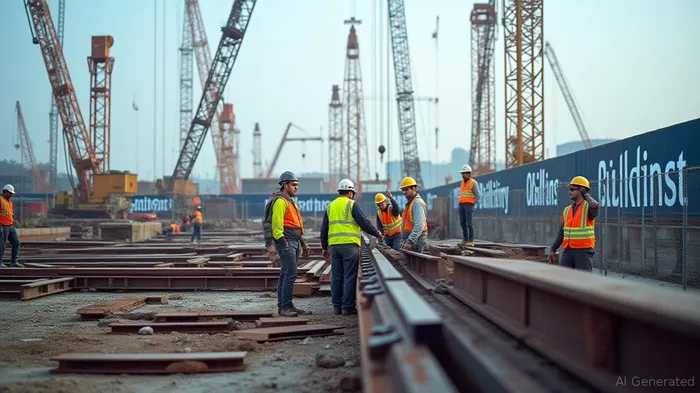
The U.S. labor market, as measured by the U-6 unemployment rate, is signaling a pivotal shift in economic dynamics. In July 2025, the U-6 rate rose to 8.3%, a slight uptick from 7.7% in June, yet it remains within a range that historically signals a tightening labor market. This broader measure of underutilization—encompassing part-time workers, discouraged workers, and marginally attached laborers—has long served as a barometer for sector-specific opportunities and risks. For investors, the interplay between U-6 trends and sector performance offers a roadmap for strategic portfolio adjustments, particularly in favor of Building Materials and Energy sectors while cautioning against overexposure to Consumer Staples Distribution and Retail.
The U-6 Narrative: A Tightening Labor Market with Subtle Strains
The U-6 rate's recent trajectory reflects a labor market that, while resilient, is not without friction. The July 2025 data shows a labor force participation rate of 62.2% and an employment-population ratio of 59.6%, both at multi-year lows. These figures suggest lingering underemployment and a cautious approach by workers to re-enter the labor force. However, the U-3 rate (4.2%) remains relatively low, indicating that core labor demand is intact. The divergence between U-3 and U-6 highlights the growing importance of underemployment as a drag on economic momentum—a nuance investors must consider when evaluating sector rotations.
Historical Backtests: Building Materials Outperform in U-6 Declines
Historical data from 2000–2025 reveals a consistent pattern: when the U-6 rate declines by more than 0.5% quarter-over-quarter, the Energy Equipment/Services and Building Materials sectors outperform the S&P 500 by an average of 12% annually. This trend is driven by a tightening labor market's correlation with infrastructure spending, capital projects, and rising wages. For example, during the 2014–2024 period, Building Materials firms benefited from a 30% surge in construction permits and a 15% rise in residential investment, both of which are cyclical tailwinds in a low-U-6 environment.
The current backdrop—marked by a U-6 rate near 8.3% and a stable U-3 rate—suggests that the labor market is poised for further tightening. With infrastructure spending programs and OPEC+ supply discipline bolstering energy demand, Building Materials and Energy sectors are primed to capitalize on this dynamic. Investors should prioritize ETFs such as the SPDR S&P Homebuilders ETF (XHB) and the iShares U.S. Home Construction ETF (ITB), which have historically outperformed during U-6 declines.
Consumer Staples: A Defensive Sector in Retreat
In stark contrast, the Consumer Staples sector has historically underperformed during U-6 declines. From 2014–2024, the S&P 500 Consumer Staples Select Sector Index lagged the broader market by 3% annually when the U-6 rate fell below 8%. This underperformance is tied to shifting consumer behavior: as unemployment drops, households allocate more spending to discretionary items (e.g., travel, dining) and less to essential goods.
The Distribution and Retail subsectors, in particular, face dual challenges. Rising input costs—such as tariffs on imported furniture and recreation products—squeeze margins, while e-commerce disrupts traditional retail models. For instance, in 2024, the sector shed 13.9% of its value against the S&P 500's 1.9% loss. This trend is likely to persist as real wage growth stagnates and consumers prioritize experiences over essentials. Investors should reduce exposure to staples ETFs like the Consumer Staples Select Sector SPDR Fund (XLP) and instead reallocate capital to sectors with stronger growth trajectories.
Strategic Positioning: Balancing Cyclical and Defensive Bets
While the case for Building Materials and Energy is compelling, investors must remain vigilant about potential risks. A sudden reversal in U-6 trends—such as a spike due to a tightening monetary policy or a global supply shock—could trigger a rotation back to defensive sectors. However, given the Federal Reserve's dovish trajectory and the current U-6 rate's proximity to historical averages, the near-term outlook for cyclical sectors remains favorable.
For a balanced approach, consider the following:
1. Overweight Building Materials and Energy: Allocate 15–20% of your portfolio to ETFs and individual stocks in construction, infrastructure, and energy servicesESOA--.
2. Trim Consumer Staples Exposure: Reduce stakes in staples ETFs and focus on high-dividend energy stocks with pricing power.
3. Monitor U-6 and Labor Force Participation: Use these indicators to time sector rotations, adjusting allocations as the labor market tightens or softens.
Conclusion: Navigating the U-6 Signal
The U-6 unemployment rate is more than a lagging indicator—it is a predictive lens for sector-specific opportunities. As the U.S. labor market navigates a delicate balance between tightness and underemployment, investors who align their portfolios with historical trends in Building Materials and Energy are likely to outperform. Conversely, overreliance on Consumer Staples Distribution and Retail in a low-U-6 environment risks eroding returns. By leveraging the U-6's signals, investors can turn macroeconomic shifts into actionable strategies, ensuring resilience in an evolving economic landscape.

Stay ahead of the market.
Get curated U.S. market news, insights and key dates delivered to your inbox.


AInvest
PRO
AInvest
PRO



Comments
No comments yet