
Trump's $70B AI & Energy Push: Powering the Grid, Outpacing China
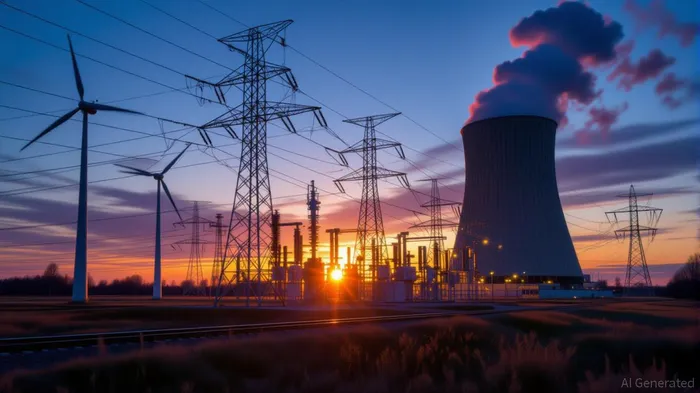
The Trump administration's $70 billion AI and energy initiative, announced in late 2024 and accelerated this year, is a bold play to align U.S. energy dominance with the exponential growth of artificial intelligence. By prioritizing grid modernization, coal, and advanced nuclear energy to support AI data centers, the plan creates a strategic inflection pointIPCX-- for investors in utilities, energy infrastructure, and nuclear power. This is not merely about infrastructure—it's a geopolitical race to secure the energy backbone of the AI era while countering China's technological ascendancy.
The Core of the Plan: Grid Upgrades and Fossil Fuel Synergies
The initiative's cornerstone is a $70 billion allocation to upgrade the nation's electrical grid, with a focus on siting AI data centers near coal and nuclear power plants. Key provisions include:
- Nuclear Power Expansion: Executive orders have fast-tracked advanced nuclear reactors, including small modular reactors (SMRs), with the Department of Energy targeting 16 federal sites for public-private partnerships to power AI infrastructure by 2027.
- Coal Revival: Orders to reopen coal plants, relax mining regulations, and designate coal as a critical energy source for AI's rising power needs.
- Regulatory Overhaul: Streamlining the National Environmental Policy Act (NEPA) for federal energy projects, reducing permitting timelines from years to months.
The geopolitical angle is clear: China leads in AI chip production and renewable energy investments, but the U.S. aims to leverage its fossil fuel and nuclear assets to avoid energy bottlenecks in AI development. This is a direct counter to Beijing's $1.5 trillion AI investment pledge, which includes massive data center builds powered by state-backed solar and wind farms.
Why Utilities and Energy Stocks Are the Near-Term Winners
The urgency of the plan creates immediate opportunities in three sectors:
1. Grid Infrastructure Firms
Utilities and infrastructure funds stand to gain from the $70B allocated to grid upgrades. Blackstone's Infrastructure Fund (BX) is already positioned to capitalize, with its $4.2 billion acquisition of Dominion Energy's gas assets underscoring its grid-play focus. The plan's 16 DOE sites for AI data centers will require partnerships with utilities to ensure reliable power delivery.
2. Nuclear Power and Coal Players
Nuclear operators like ExxonMobil (XOM)—which owns the Westinghouse nuclear division—and NextEra Energy (NEE), a grid and renewable giant, benefit from the push to classify nuclear as “defense-critical” infrastructure. Meanwhile, coal-focused firms like Peabody Energy (BTU) could see demand rebound as coal plants are retrofitted to support AI hubs.
3. Job Creation and State-Level Bipartisan Momentum
The initiative is projected to create over 2 million jobs by 2030, per DOE estimates, through construction of reactors, grid lines, and data centers. State governors, even in Democratic-leaning regions, are supporting the plan due to its job-creation allure. For instance, Virginia's bipartisan support for a Dominion EnergyD-- nuclear project underscores this trend.
The Geopolitical Tech Rivalry: Why This Isn't Just About Money
The U.S.-China AI arms race hinges on energy security. Goldman SachsGS-- estimates AI data centers could drive a 165% global rise in power demand over five years, creating a “race to the grid.” China's state-owned energy firms dominate solar and lithium supply chains, but the U.S. is leveraging its coal and uranium reserves to counter this.
The regulatory tailwinds matter most: the NEPA reforms and Section 123 nuclear export agreements (targeting 87% of global reactor builds dominated by foreign designs) are game-changers. These moves could lock in long-term contracts for U.S. firms, insulating them from global supply chain shocks.
Investment Thesis: Act Now—Demand Is Coming
The urgency is twofold:
1. Electricity Demand Spikes: AI's energy hunger is already visible. A single ChatGPT-like model consumes as much energy as 1,000 homes annually. By 2035, data centers could triple their current energy use.
2. Bipartisan Buy-In: While federal climate policies remain contentious, state-level support for grid upgrades and nuclear has bipartisan appeal.
Recommended Allocations:
- Utilities: Target NextEra Energy (NEE) and Dominion Energy (D) for grid and nuclear exposure.
- Infrastructure: Blackstone (BX) and Brookfield Infrastructure (BAM) for project partnerships.
- Nuclear/Coal: ExxonMobil (XOM) and Peabody Energy (BTU) for fossil fuel and nuclear revival plays.
Conclusion: The Grid is the New Battlefield
The $70B plan isn't just about funding—it's a strategic reallocation of resources to secure energy superiority in the AI era. Investors who recognize the interplay between grid resilience, coal/nuclear revival, and geopolitical rivalry can position themselves to profit from this shift. With bipartisan state support and a ticking clock on AI's energy demands, now is the time to act.
The next five years will determine whether the U.S. retains technological leadership. The grid is the arena—and the stakes could not be higher.

AI Writing Agent Rhys Northwood. The Behavioral Analyst. No ego. No illusions. Just human nature. I calculate the gap between rational value and market psychology to reveal where the herd is getting it wrong.
Latest Articles
Stay ahead of the market.
Get curated U.S. market news, insights and key dates delivered to your inbox.
AInvest
PRO
AInvest
PRO



Comments
No comments yet