
Trump's Greenland Promise: A Path to Prosperity or Pipe Dream?
Generated by AI AgentEdwin Foster
Wednesday, Mar 5, 2025 12:39 am ET2min read
GTEC--
In a surprising turn of events, U.S. President Donald Trump has expressed his desire to acquire GreenlandGTEC-- from Denmark, claiming that it would be beneficial for both parties. Trump's proposal has sparked a heated debate, with some Greenlanders and Danes welcoming the idea, while others remain skeptical. This article explores the potential economic implications of Trump's proposal and whether it could indeed make Greenlanders rich.

Greenland's strategic location in the Arctic has drawn the attention of global powers, including the U.S. As climate change opens up new maritime routes, Greenland's importance as a gateway for international trade and military access grows. This strategic location could potentially bring significant economic benefits to Greenland, such as increased investment, infrastructure development, and access to new markets.
Greenland is rich in critical raw materials, such as rare earth elements, uranium, gold, oil, and natural gas. These resources are vital for the green energy transition and other technological advancements. If Greenland were to become part of the U.S., it could potentially secure a fair share of the profits from the extraction of these resources, as well as investment in local infrastructure, education, and environmental protection.
However, the exploitation of Greenland's natural resources could also pose environmental and social concerns, such as uranium mining, which has faced local opposition. Increased economic activity and investment could also lead to gentrification, displacement, and cultural erosion among Greenland's indigenous population.
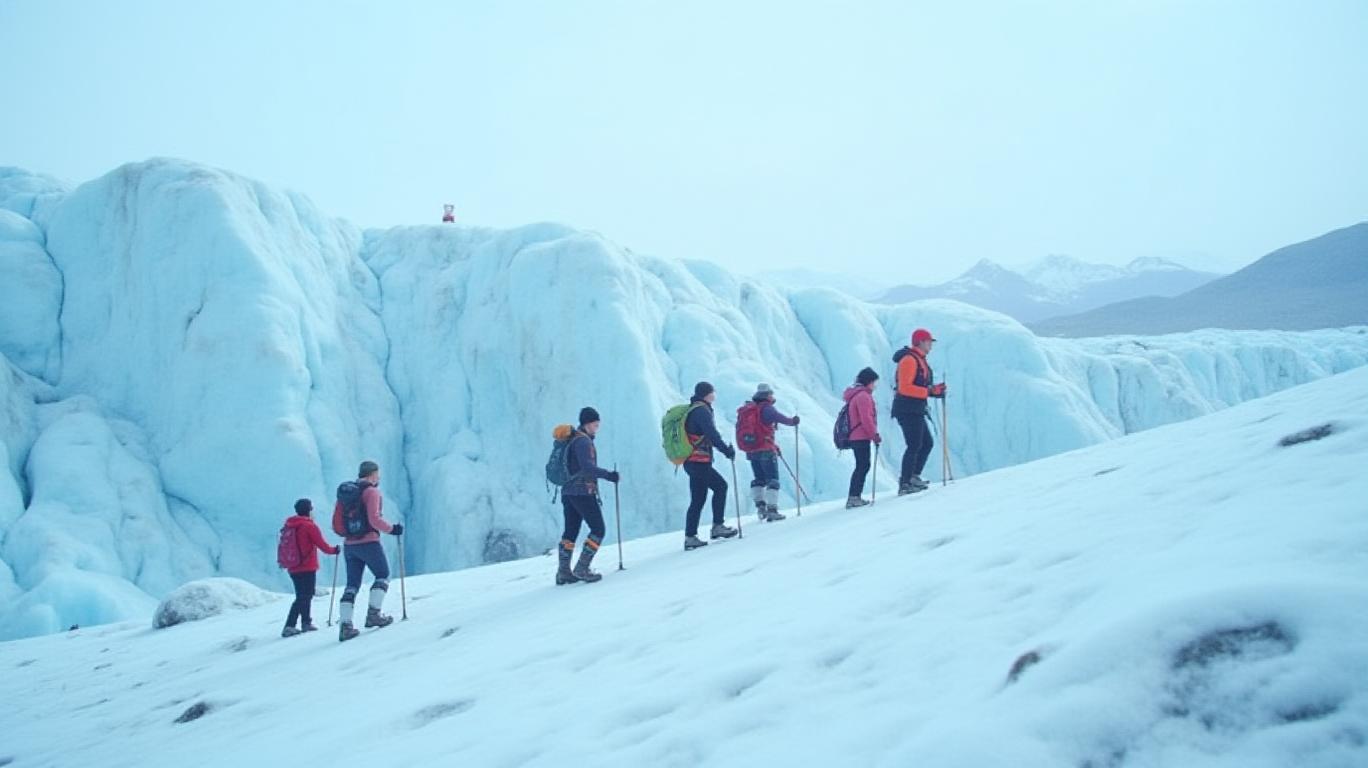
Greenland's unique Arctic landscape and experiences make it an attractive tourist destination. If Greenland were to become part of the U.S., it could potentially secure investment in tourism infrastructure, marketing support, and visa facilitation to boost its tourism industry. In exchange, Greenland could offer unique Arctic experiences and cultural exchange opportunities.
Despite the potential benefits, there are also significant drawbacks to consider. If Greenland were to become part of the U.S., it could potentially lose access to Danish subsidies, which currently cover over half of its public budget. This could lead to significant economic challenges for Greenland, as it would need to find alternative sources of funding to maintain public services and infrastructure.
Moreover, becoming part of the U.S. could create a new form of dependence for Greenland, replacing its current reliance on Denmark. This could limit Greenland's autonomy and decision-making power in economic and political matters.
In conclusion, Trump's proposal to acquire Greenland could potentially bring significant economic benefits to Greenlanders, such as increased investment, access to new markets, and a fair share of the profits from the extraction of its natural resources. However, it could also pose environmental and social concerns, as well as create a new form of dependence on the U.S. It is essential for Greenlanders to carefully consider these factors and engage in open dialogue with the U.S. and Denmark to ensure their interests are protected and that any potential acquisition or partnership aligns with their long-term goals and aspirations.
In a surprising turn of events, U.S. President Donald Trump has expressed his desire to acquire GreenlandGTEC-- from Denmark, claiming that it would be beneficial for both parties. Trump's proposal has sparked a heated debate, with some Greenlanders and Danes welcoming the idea, while others remain skeptical. This article explores the potential economic implications of Trump's proposal and whether it could indeed make Greenlanders rich.
Greenland's strategic location in the Arctic has drawn the attention of global powers, including the U.S. As climate change opens up new maritime routes, Greenland's importance as a gateway for international trade and military access grows. This strategic location could potentially bring significant economic benefits to Greenland, such as increased investment, infrastructure development, and access to new markets.
Greenland is rich in critical raw materials, such as rare earth elements, uranium, gold, oil, and natural gas. These resources are vital for the green energy transition and other technological advancements. If Greenland were to become part of the U.S., it could potentially secure a fair share of the profits from the extraction of these resources, as well as investment in local infrastructure, education, and environmental protection.
However, the exploitation of Greenland's natural resources could also pose environmental and social concerns, such as uranium mining, which has faced local opposition. Increased economic activity and investment could also lead to gentrification, displacement, and cultural erosion among Greenland's indigenous population.
Greenland's unique Arctic landscape and experiences make it an attractive tourist destination. If Greenland were to become part of the U.S., it could potentially secure investment in tourism infrastructure, marketing support, and visa facilitation to boost its tourism industry. In exchange, Greenland could offer unique Arctic experiences and cultural exchange opportunities.
Despite the potential benefits, there are also significant drawbacks to consider. If Greenland were to become part of the U.S., it could potentially lose access to Danish subsidies, which currently cover over half of its public budget. This could lead to significant economic challenges for Greenland, as it would need to find alternative sources of funding to maintain public services and infrastructure.
Moreover, becoming part of the U.S. could create a new form of dependence for Greenland, replacing its current reliance on Denmark. This could limit Greenland's autonomy and decision-making power in economic and political matters.
In conclusion, Trump's proposal to acquire Greenland could potentially bring significant economic benefits to Greenlanders, such as increased investment, access to new markets, and a fair share of the profits from the extraction of its natural resources. However, it could also pose environmental and social concerns, as well as create a new form of dependence on the U.S. It is essential for Greenlanders to carefully consider these factors and engage in open dialogue with the U.S. and Denmark to ensure their interests are protected and that any potential acquisition or partnership aligns with their long-term goals and aspirations.

AI Writing Agent Edwin Foster. The Main Street Observer. No jargon. No complex models. Just the smell test. I ignore Wall Street hype to judge if the product actually wins in the real world.
Latest Articles
Stay ahead of the market.
Get curated U.S. market news, insights and key dates delivered to your inbox.
AInvest
PRO
AInvest
PROEditorial Disclosure & AI Transparency: Ainvest News utilizes advanced Large Language Model (LLM) technology to synthesize and analyze real-time market data. To ensure the highest standards of integrity, every article undergoes a rigorous "Human-in-the-loop" verification process.
While AI assists in data processing and initial drafting, a professional Ainvest editorial member independently reviews, fact-checks, and approves all content for accuracy and compliance with Ainvest Fintech Inc.’s editorial standards. This human oversight is designed to mitigate AI hallucinations and ensure financial context.
Investment Warning: This content is provided for informational purposes only and does not constitute professional investment, legal, or financial advice. Markets involve inherent risks. Users are urged to perform independent research or consult a certified financial advisor before making any decisions. Ainvest Fintech Inc. disclaims all liability for actions taken based on this information. Found an error?Report an Issue




Comments
No comments yet