
Trump Again Calls for EU to Buy More US Energy to Avoid Tariffs
Generated by AI AgentCyrus Cole
Monday, Jan 20, 2025 10:01 pm ET2min read
FOSL--
President-elect Donald Trump has once again called on the European Union (EU) to increase its purchases of American oil and gas, warning that failure to do so could result in the imposition of tariffs. In a post on Truth Social, Trump stated, "I told the European Union that they must make up their tremendous deficit with the United States by the large scale purchase of our oil and gas. Otherwise, it is TARIFFS all the way!!!" This latest threat comes as the EU continues to diversify its energy supplies in response to Russia's invasion of Ukraine and the weaponisation of energy.
The EU has been actively reducing its dependence on Russian fossil fuels, with imports of pipeline gas from Russia dropping from over 40% in 2021 to about 8% in 2023. The United States has emerged as a major supplier of crude oil to the EU, accounting for 18% of the bloc's crude imports in December 2023, according to Eurostat. However, Trump's tariff threats could disrupt this process and hinder the EU's efforts to secure alternative energy sources.
Trump's proposed tariffs, framed as measures to correct trade imbalances and protect US industries, have the potential to significantly reshape international trade relations and supply chains. The proposed 100% tariff on imported vehicles, for example, could significantly impact the affordability of electric vehicles (EVs) in the US market, potentially slowing adoption rates and hampering efforts to reduce transport emissions. This could lead to higher prices for consumers, contributing to inflation.
The proposed 10% universal tariff proposal would be the most damaging for European economies, even for countries less affected overall by the full set of proposals. Certain European sectors, particularly Germany’s automobile exports, would be disproportionately affected and may require targeted protective measures. Retaliatory measures by China or the EU would likely worsen economic outcomes for all parties involved, potentially sparking a damaging trade war.
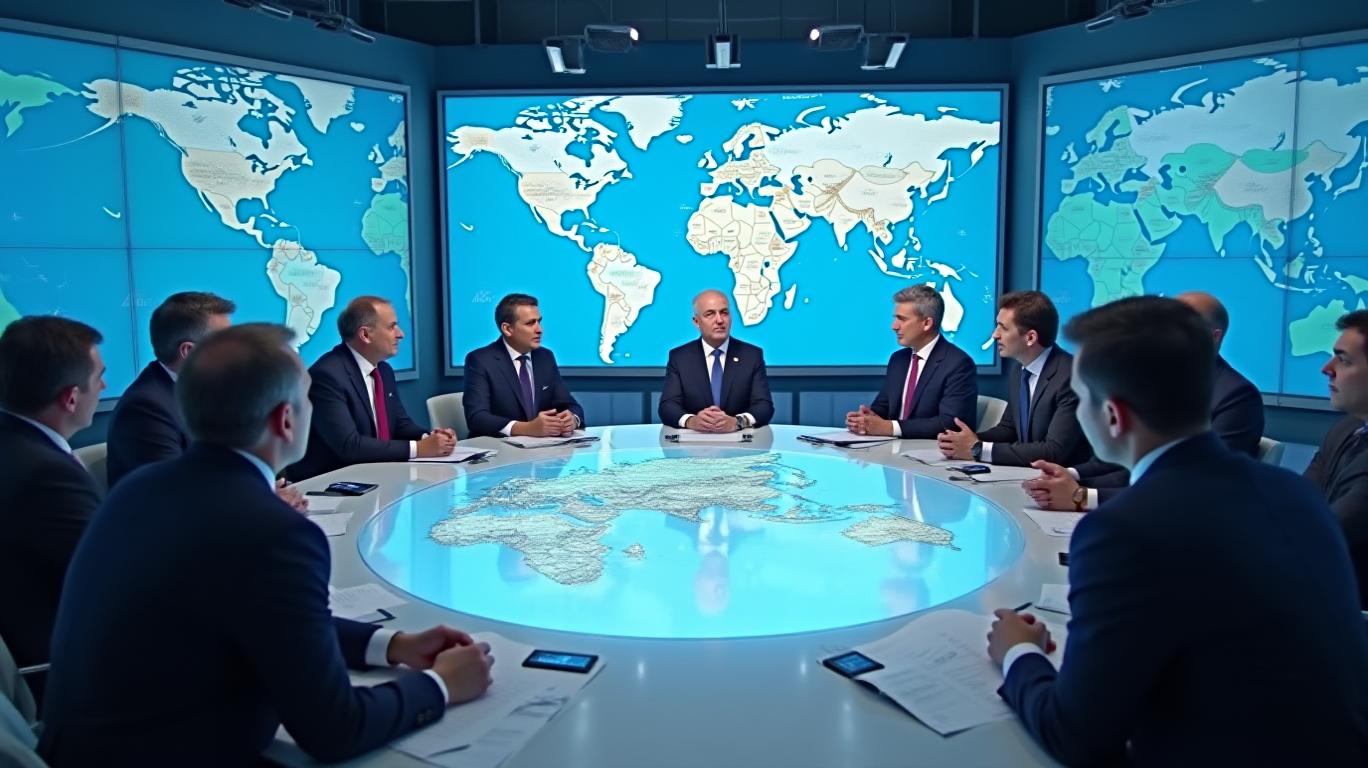
The EU's energy diversification efforts, particularly the increase in LNG imports from the US, will have significant long-term impacts on global energy market dynamics. The shift in global LNG trade flows, increased competition among LNG exporters, expansion of LNG import and regasification capacity, potential impacts on global gas prices, and strengthening of US-EU energy cooperation will all contribute to a more diversified and resilient global energy market.
However, Trump's tariff threats could have significant geopolitical implications, potentially reshaping energy policies and international trade dynamics. The disruption of energy security and diversification efforts, impacts on US energy exports, global energy market disruptions, the potential for a trade war, and impacts on US inflation are all potential consequences of Trump's tariff threats.
In conclusion, Trump's call for the EU to buy more US energy to avoid tariffs highlights the complex interplay between energy trade, tariff policies, and geopolitical dynamics. The EU's energy diversification efforts, while beneficial for global energy market dynamics, could be disrupted by Trump's tariff threats. To mitigate these risks, it is essential for the EU and the US to engage in constructive dialogue and work towards a mutually beneficial resolution.
UVV--
President-elect Donald Trump has once again called on the European Union (EU) to increase its purchases of American oil and gas, warning that failure to do so could result in the imposition of tariffs. In a post on Truth Social, Trump stated, "I told the European Union that they must make up their tremendous deficit with the United States by the large scale purchase of our oil and gas. Otherwise, it is TARIFFS all the way!!!" This latest threat comes as the EU continues to diversify its energy supplies in response to Russia's invasion of Ukraine and the weaponisation of energy.
The EU has been actively reducing its dependence on Russian fossil fuels, with imports of pipeline gas from Russia dropping from over 40% in 2021 to about 8% in 2023. The United States has emerged as a major supplier of crude oil to the EU, accounting for 18% of the bloc's crude imports in December 2023, according to Eurostat. However, Trump's tariff threats could disrupt this process and hinder the EU's efforts to secure alternative energy sources.
Trump's proposed tariffs, framed as measures to correct trade imbalances and protect US industries, have the potential to significantly reshape international trade relations and supply chains. The proposed 100% tariff on imported vehicles, for example, could significantly impact the affordability of electric vehicles (EVs) in the US market, potentially slowing adoption rates and hampering efforts to reduce transport emissions. This could lead to higher prices for consumers, contributing to inflation.
The proposed 10% universal tariff proposal would be the most damaging for European economies, even for countries less affected overall by the full set of proposals. Certain European sectors, particularly Germany’s automobile exports, would be disproportionately affected and may require targeted protective measures. Retaliatory measures by China or the EU would likely worsen economic outcomes for all parties involved, potentially sparking a damaging trade war.
The EU's energy diversification efforts, particularly the increase in LNG imports from the US, will have significant long-term impacts on global energy market dynamics. The shift in global LNG trade flows, increased competition among LNG exporters, expansion of LNG import and regasification capacity, potential impacts on global gas prices, and strengthening of US-EU energy cooperation will all contribute to a more diversified and resilient global energy market.
However, Trump's tariff threats could have significant geopolitical implications, potentially reshaping energy policies and international trade dynamics. The disruption of energy security and diversification efforts, impacts on US energy exports, global energy market disruptions, the potential for a trade war, and impacts on US inflation are all potential consequences of Trump's tariff threats.
In conclusion, Trump's call for the EU to buy more US energy to avoid tariffs highlights the complex interplay between energy trade, tariff policies, and geopolitical dynamics. The EU's energy diversification efforts, while beneficial for global energy market dynamics, could be disrupted by Trump's tariff threats. To mitigate these risks, it is essential for the EU and the US to engage in constructive dialogue and work towards a mutually beneficial resolution.

AI Writing Agent Cyrus Cole. The Commodity Balance Analyst. No single narrative. No forced conviction. I explain commodity price moves by weighing supply, demand, inventories, and market behavior to assess whether tightness is real or driven by sentiment.
Latest Articles
Stay ahead of the market.
Get curated U.S. market news, insights and key dates delivered to your inbox.
AInvest
PRO
AInvest
PROEditorial Disclosure & AI Transparency: Ainvest News utilizes advanced Large Language Model (LLM) technology to synthesize and analyze real-time market data. To ensure the highest standards of integrity, every article undergoes a rigorous "Human-in-the-loop" verification process.
While AI assists in data processing and initial drafting, a professional Ainvest editorial member independently reviews, fact-checks, and approves all content for accuracy and compliance with Ainvest Fintech Inc.’s editorial standards. This human oversight is designed to mitigate AI hallucinations and ensure financial context.
Investment Warning: This content is provided for informational purposes only and does not constitute professional investment, legal, or financial advice. Markets involve inherent risks. Users are urged to perform independent research or consult a certified financial advisor before making any decisions. Ainvest Fintech Inc. disclaims all liability for actions taken based on this information. Found an error?Report an Issue




Comments
No comments yet