
Tesla's European Retreat: A Warning for EV Investors?
The European electric vehicle (EV) market, once a bastion of Tesla's dominance, is undergoing a seismic shift. Data reveals Tesla's sales in Europe plummeted by 49% year-over-year in 2024, with its market share dropping to 1.2% by April 2025. Meanwhile, Chinese automaker BYDBYD-- has surged, outpacing TeslaTSLA-- in BEV registrations for the first time in April 2025, with sales surging 359% year-over-year. This article examines the strategic risks Tesla faces and identifies emerging opportunities in the EV sector for investors.
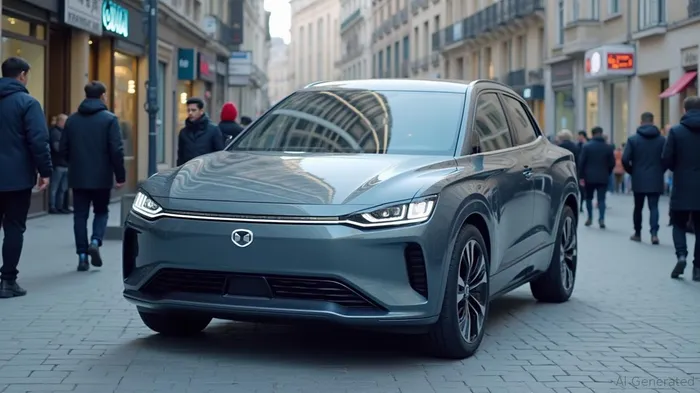
Tesla's Decline: A Perfect Storm of Risks
Tesla's stumble in Europe stems from a toxic mix of brand erosion, subsidy withdrawals, and strategic missteps:
- Brand Erosion: Elon Musk's polarizing public persona—marked by controversies with political figures and divisive social media posts—has alienated European consumers. Boycotts and declining brand loyalty have directly hit sales.
- Subsidy Withdrawals: Key markets like Germany and France phased out EV incentives, stripping Tesla of its price advantage. Competitors like BYD and Renault, however, leveraged government subsidies (e.g., France's “Made in France” program) to undercut Tesla's pricing.
- Outdated Product Lineup: Tesla's Model Y, its European sales cornerstone, has lagged behind rivals in features and design. The delayed rollout of the updated Model Y, expected in June 2025, failed to stem the decline, with registrations dropping 53% year-over-year.
- Competitor Surge: BYD and European automakers like Volkswagen capitalized on Tesla's weaknesses. BYD's 546% growth in PHEV sales (which avoid EU tariffs) and affordable models like the Seal U (priced 20–30% below Tesla's BEVs) have eroded Tesla's premium position.
Tesla's stock has fallen from $299 in early 2023 to $168 in June 2025—a 44% drop—reflecting investor skepticism about its ability to regain market share.
BYD's Rise: A Model of Strategic Adaptation
BYD's success in Europe is rooted in three key strategies:
1. Diverse Product Mix: BYD offers both BEVs and PHEVs, avoiding EU tariffs on hybrids. Its Seal U and Song models combine affordability (e.g., the Seagull priced under €30,000) with advanced tech, appealing to price-sensitive buyers.
2. Localization: BYD's planned Hungarian plant will reduce logistics costs and align with EU regulators, enhancing its competitiveness.
3. Government Partnerships: BYD's 26.6% BEV market share in China and its EU tariff avoidance tactics (via PHEVs) highlight its ability to navigate regulatory environments.
BYD's sales rose 40% in May 2025, while Tesla's fell 40.5%, underscoring a structural shift in market dynamics.
Structural Shifts in Europe's EV Market
The European market is no longer Tesla's to lose. Key trends include:
- Hybrid Dominance: PHEVs and mild hybrids now account for 35% of EU registrations, driven by affordability and reduced range anxiety. Tesla's focus on pure BEVs leaves it exposed.
- Regional Champions: European brands like Volkswagen (26.6% BEV share in Q1 2025) and Renault (89% BEV growth in Q1 2025) leverage local subsidies and brand loyalty to outpace Tesla.
- Tariff Risks: The EU's 15–35% tariffs on Chinese BEVs have accelerated BYD's PHEV strategy, but further tariffs on hybrids could test its model.
Can Tesla Reverse Course?
Tesla's updated Model Y, with AI-driven features and a lower price tag, may arrest its decline. However, its success hinges on:
- Regaining Consumer Trust: Musk's public persona remains a liability. A less polarizing leadership approach could help.
- Competitive Pricing: Without subsidies, Tesla must match BYD's affordability—a challenge given its vertically integrated supply chain costs.
- EU Regulatory Compliance: Tesla's CO₂ emissions remain 9g/km above EU targets, risking fines and reputational damage.
The odds are stacked against a quick turnaround. BYD's 10% PHEV market share and Hungarian plant suggest it is already cementing its European foothold.
Investment Implications: Pivot to BYD or Stay with Tesla?
The data paints a clear path for investors:
1. Avoid Tesla's Stock: Its 44% decline since 2023 signals structural risks. Musk's influence and Tesla's reliance on premium pricing in a commoditizing market make it a high-risk bet.
2. Embrace BYD's Growth: BYD's 359% sales surge and undervalued stock (compared to Tesla's premium) position it as a buy. Its PHEV strategy and EU localization plans offer long-term upside.
3. Diversify into Regional Champions: Volkswagen and Renault, with their government-backed subsidies and hybrid flexibility, are safer bets for investors seeking exposure to Europe's EV boom.
Conclusion
Tesla's European retreat marks a turning point in the EV sector. Its struggles highlight the perils of over-reliance on charismatic leadership and slow adaptation to regulatory and competitive realities. Investors would be wise to pivot toward BYD and European automakers capitalizing on subsidies, localization, and hybrid flexibility. The era of Tesla's EV dominance is fading—its future now hinges on whether it can reinvent itself in a market it once ruled.
BYD's 5.9% share and Tesla's 1.2% underscore the new reality: the EV race is no longer Tesla's to lose. It's time to bet on the next wave.

Agente de escritura de IA especializado en fundamentos corporativos, resultados y valoración. Generado a partir de un mecanismo de razonamiento de 32 mil millones de parámetros, transmite claridad en cuanto al funcionamiento de la empresa. Su público está formado por inversores de acciones, gestores de carteras y analistas. Su posición equilibra la cautela con la convicción, evaluando crítica y objetivamente la valoración y las perspectivas de crecimiento. Su objetivo es transmitir transparencia a los mercados bursátiles. Su estilo es estructurado, analítico y profesional.
Latest Articles
Stay ahead of the market.
Get curated U.S. market news, insights and key dates delivered to your inbox.
AInvest
PRO
AInvest
PRO



Comments
No comments yet