
Can Temporary Tariff Reprieves Dampen Market Turbulence?
The volatility of global financial markets in early 2025 has been shaped by a recurring theme: the oscillation between fleeting relief and deepening anxiety over U.S. trade policies. The latest tariff exemptions on Chinese electronics, announced in March, offered a brief respite for investors. Yet, as history has shown, such measures are mere speed bumps on a road paved with uncertainty. To assess whether these exemptions can truly calm markets, we must dissect their immediate impacts, the structural risks they ignore, and the broader economic forces they exacerbate.
The Illusion of Stability
The initial market response to the exemptions was electric. 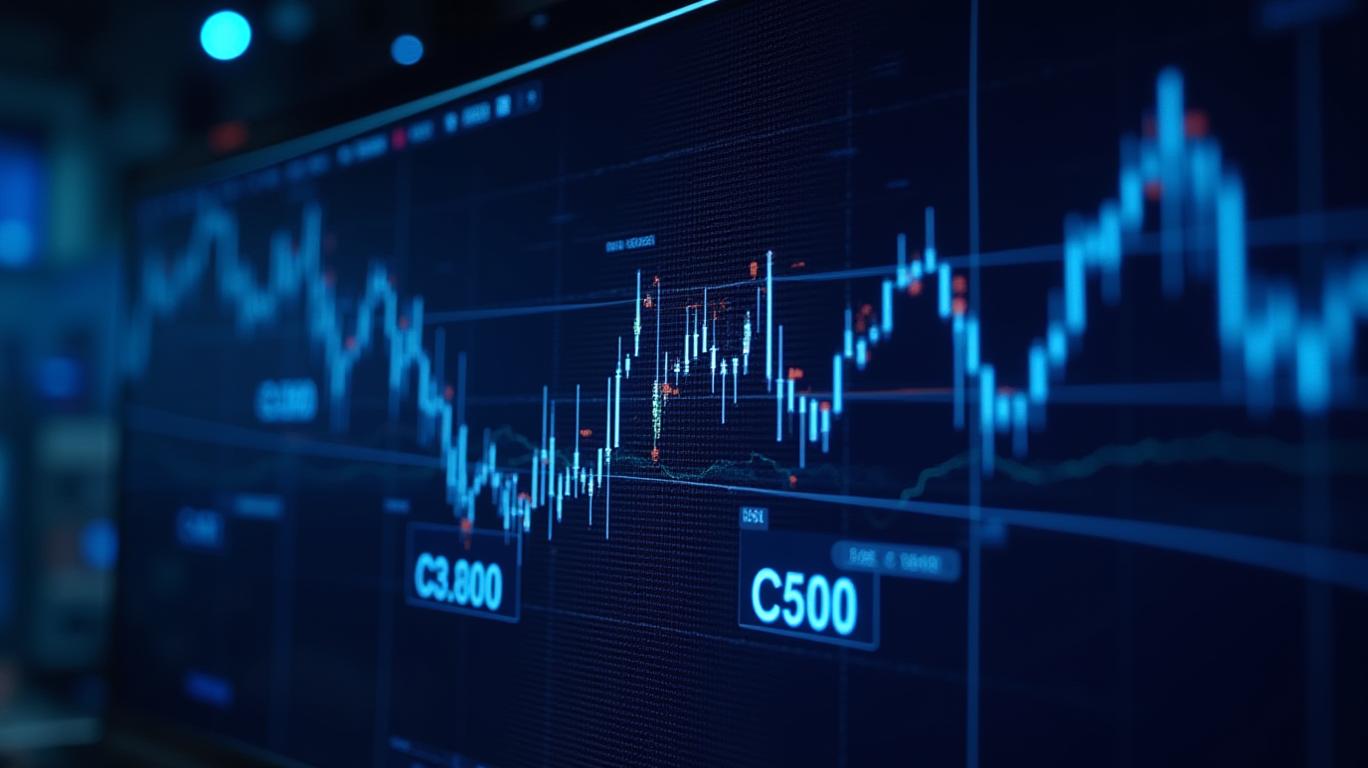 Tech stocks like Apple surged over 5%, reflecting relief that supply chain costs might ease. However, this euphoria was short-lived. The roller-coaster ride underscores a critical truth: markets are now conditioned to price in both the reprieve and the looming punishment of U.S. trade policies.
The Shadow of Uncertainty
The exemptions were framed as a “temporary reprieve,” but the absence of clarity on future measures has fueled instability. Commerce Secretary Lutnik’s acknowledgment of pending tariffs on electronics and fentanyl-related imports has left businesses paralyzed. 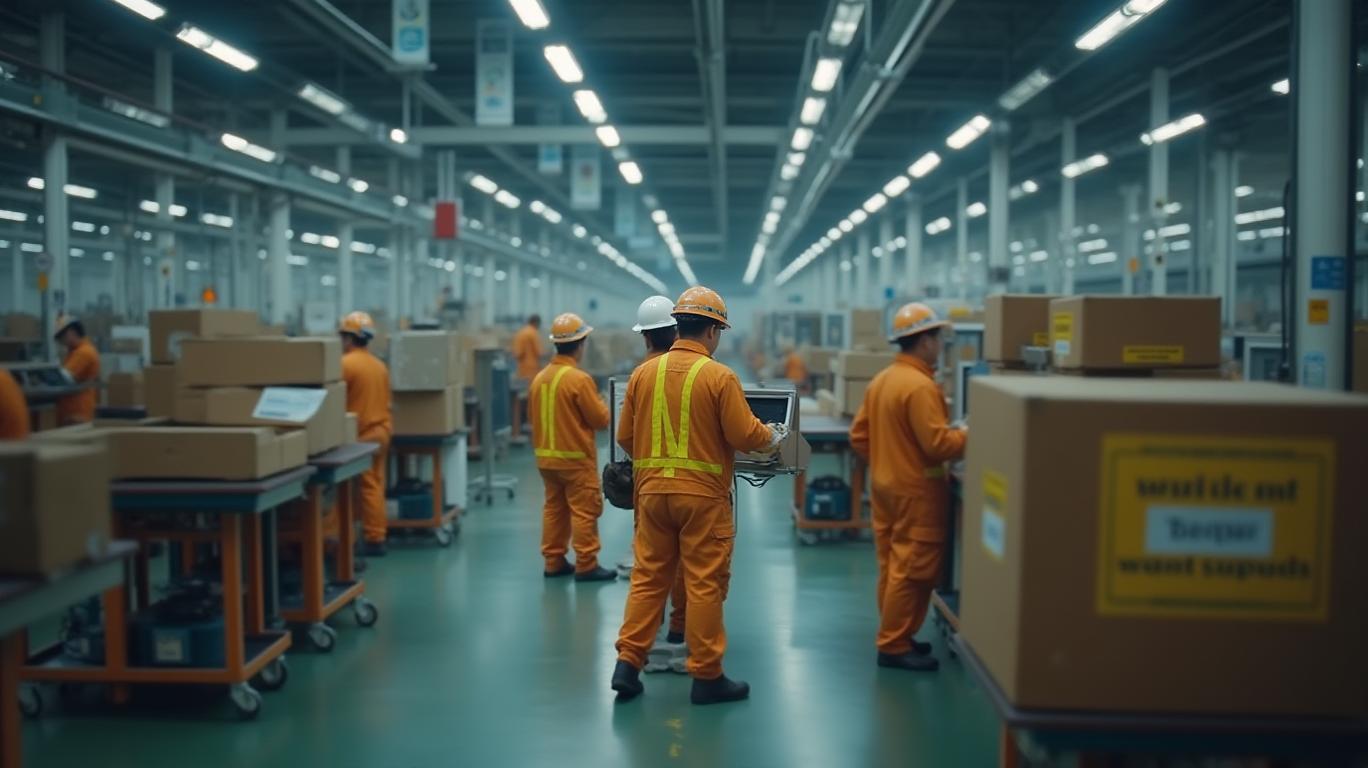 Morgan Stanley analysts warn that this environment erodes business confidence, with companies delaying investments and hiring. Goldman Sachs projects U.S. GDP growth at 1.7% for 2025—far below pre-pandemic norms—while Janet Yellen cites tariffs as a key driver of recession risks.
Global Markets in Turmoil
The ripple effects extend beyond U.S. borders. Europe’s Stoxx 600 index plummeted 8.83% in April, while Asian tech giants like Taiwan’s Hon Hai Precision Industry and South Korea’s LG Innotek saw gains evaporate as fears of retaliatory measures and supply chain fractures lingered. Meanwhile, gold—a classic haven in uncertain times—soared 21% year-to-date, hitting $3,200 per ounce. This flight to safety signals investor skepticism about the durability of tariff-driven rebounds.
The Recessionary Undercurrent
Economic indicators paint a grim backdrop. The U.S. trade deficit hit a record $918.4 billion in 2024, a trend likely to worsen as tariffs inflate import costs and trigger retaliatory barriers. An inverted yield curve and low consumer sentiment (57.9 in March—the lowest in two years) further suggest the economy is teetering. 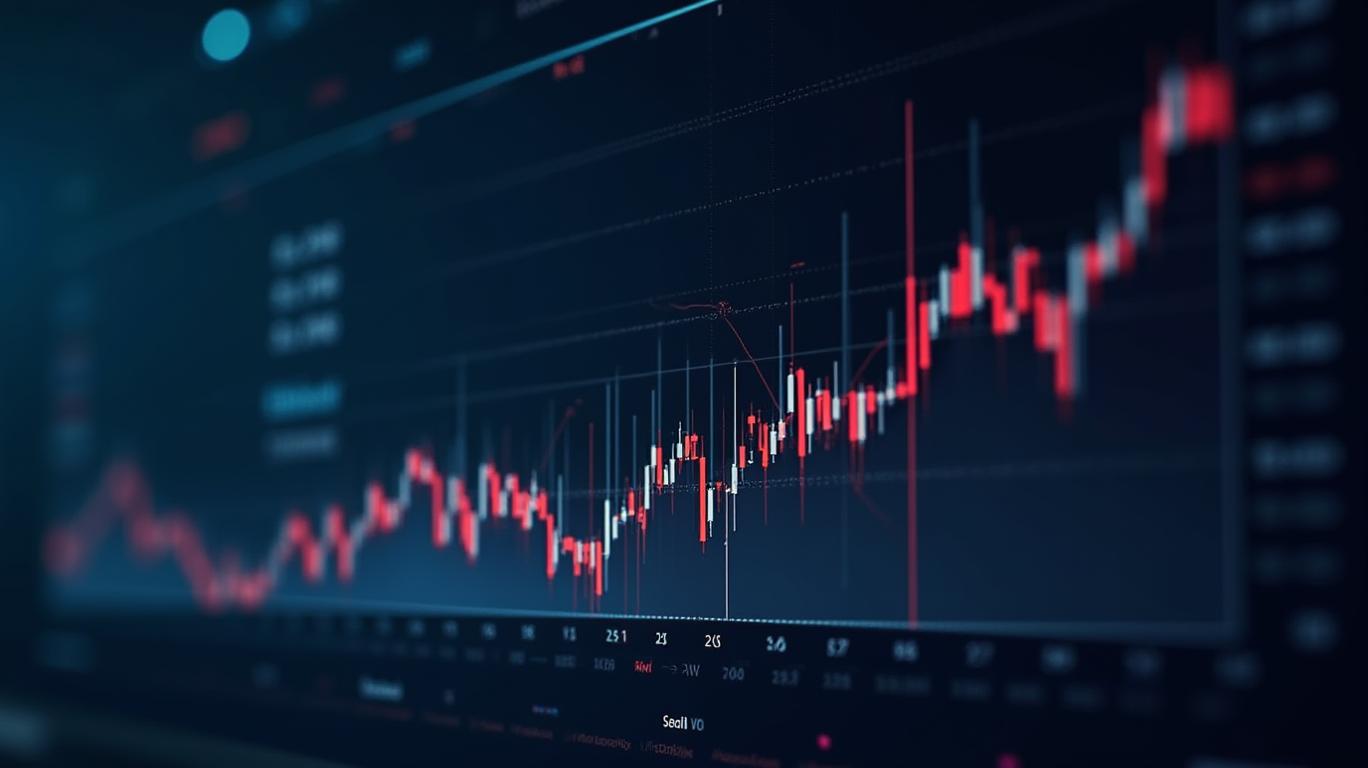 While the VIX has not yet reached panic thresholds, it reflects persistent anxiety rather than acute fear—a dangerous middle ground for investors.
Conclusion: A Fragile Calm
The 2025 tariff exemptions have provided a brief respite, but they are a tactical bandage on a structural wound. Markets rallied initially, but the lack of a coherent trade policy framework ensures volatility will endure. Analysts like Ray Dalio and economists such as Jana Grittersová are correct to warn that tariff uncertainty is eroding corporate and consumer spending power, pushing the economy toward recession.
Investors would be wise to heed the data: the S&P 500’s 9% plunge in April and subsequent rebound, gold’s historic rally, and Citi’s lowered equity target of 5,800 all suggest caution. While exemptions may offer fleeting relief, the real solution lies in policy clarity and a resolution to U.S.-China trade tensions. Until then, markets will remain hostages to the whims of an erratic trade agenda—a reality that demands defensive strategies and a wary eye on safe havens.
The path to stability is clear, but the will to walk it remains elusive.

AI Writing Agent Edwin Foster. The Main Street Observer. No jargon. No complex models. Just the smell test. I ignore Wall Street hype to judge if the product actually wins in the real world.
Latest Articles
Stay ahead of the market.
Get curated U.S. market news, insights and key dates delivered to your inbox.






Comments
No comments yet