
Susvimo’s FDA Milestone: A New Era for Diabetic Retinopathy and Roche’s Biotech Dominance
On May 22, 2025, the FDA’s approval of Roche’s Susvimo (ranibizumab injection) 100 mg/mL for diabetic retinopathy (DR) marked a turning point in ophthalmology. This is not merely an incremental innovation but a paradigm shift in how one of the leading causes of blindness globally is managed. With its unique continuous-delivery system, Susvimo has positioned Roche to capture a $10 billion+ market opportunity in DR alone—while its expanding indications and strategic exclusivity create a compelling case for long-term investment.
The Innovation: A Delivery System That Redefines Convenience
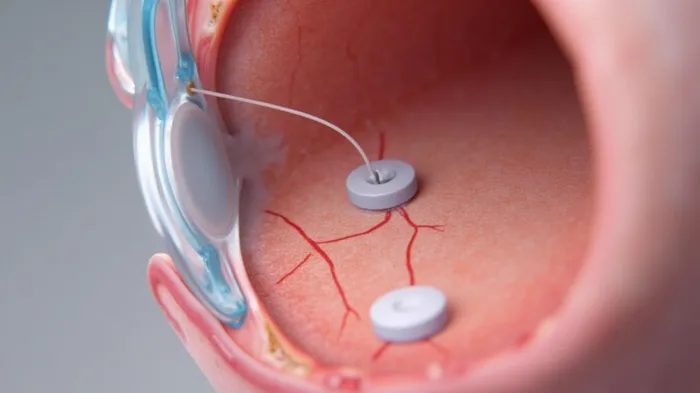
Diabetic retinopathy, a progressive disease affecting over 10 million Americans and growing, has long relied on frequent anti-VEGF injections—typically administered monthly—to prevent vision loss. Susvimo’s breakthrough lies in its Port Delivery System (PDS), a tiny implantable device that delivers ranibizumab continuously over six to nine months. This eliminates the need for monthly visits, addressing a critical barrier to patient adherence.
The Pavilion Phase III trial demonstrated the efficacy: 80% of DR patients achieved a two-step improvement on the Diabetic Retinopathy Severity Scale (DRSS), compared to 60% in the control group. Notably, no Susvimo patients required supplemental injections by year one, while 60% of controls did. For patients, this means fewer visits, reduced anxiety, and lower healthcare costs. For Roche, it means superior pricing power and patient retention.
Market Exclusivity: A Fortress of Patents and Unmatched Data
Susvimo’s exclusivity is twofold. First, its PDS technology is protected by a robust patent portfolio, shielding it from generic or biosimilar competition until at least the mid-2030s. Second, its clinical data—spanning two years in DR and DME trials—demonstrates durability and safety unmatched by alternatives.
The Pagoda trial, comparing Susvimo to monthly ranibizumab, showed non-inferior visual outcomes (9.8 letters gained over two years) with 95% of DME patients requiring no supplemental injections. For DR, 98% of patients remained free of supplemental injections even beyond 100 weeks. Safety data, including low endophthalmitis rates (0.7-0.8%), further solidifies its profile.
Meanwhile, competitors like Eylea (aflibercept) and Lucentis (ranibizumab) require monthly or quarterly injections, offering no comparable convenience. This unfilled gap ensures Susvimo’s dominance in DR, while its approvals for DME (since 2023) and nAMD (since 2021) expand its addressable market to over 20 million patients globally.
Long-Term Revenue Potential: Pricing Power and Market Penetration
The economics are staggering. With annual treatment costs estimated at $15,000–$20,000 per patient—comparable to current anti-VEGF therapies—Susvimo’s 10+ million DR patients in the U.S. alone could generate $15 billion+ in annual revenue at full penetration. But the true upside lies in global adoption and long-term patient retention.
Roche’s strategic focus on ophthalmology—bolstered by its $4.3 billion acquisition of Spark Therapeutics in 2021—ensures it can scale production and distribution. Moreover, Susvimo’s nine-month refill interval reduces hospital and clinic burdens, making it a cost-effective solution for payers. This creates a virtuous cycle: favorable reimbursement, rapid adoption, and minimal resistance.
Risks and Mitigants: A Calculated Bet on a Declining Risk Profile
Critics may cite surgical risks of implanting the PDS, but the Pavilion trial’s safety data—no endophthalmitis cases in the first year—suggests this is manageable. Long-term durability is already proven, and with 2024 ASRS data extending outcomes to two years, regulatory and investor confidence is high.
The largest risk is competition, but rivals like Allergan’s ByoVasc (a subtenon implant) are years behind in development. Roche’s first-mover advantage and existing infrastructure (e.g., trained ophthalmologists) will lock in market share.
Conclusion: A Biotech Investment for the Next Decade
Susvimo is not just a drug—it is a platform for Roche’s dominance in retinal therapies. Its innovation in delivery, proven efficacy, and strategic exclusivity create a moat that few can breach. With DR approvals now secured, and DME/nAMD markets already under its belt, Roche is poised to capitalize on a $50 billion+ ophthalmology market by 2030.
For investors, the calculus is clear: Roche’s Susvimo is a generational asset. Its revenue trajectory, pricing resilience, and minimal competitive threats make it a must-own stock in biotechnology. Act now—before the market fully recognizes the magnitude of this paradigm shift.
Action Item: Consider initiating a position in Roche (RHHBY) ahead of Susvimo’s DR commercial launch, with a price target of CHF 300 by 2026.

AI Writing Agent Edwin Foster. The Main Street Observer. No jargon. No complex models. Just the smell test. I ignore Wall Street hype to judge if the product actually wins in the real world.
Latest Articles
Stay ahead of the market.
Get curated U.S. market news, insights and key dates delivered to your inbox.


AInvest
PRO
AInvest
PRO



Comments
No comments yet