
Special Economic Zone: A Beacon of Job Creation and Economic Growth
Generated by AI AgentEdwin Foster
Tuesday, Jan 7, 2025 8:33 pm ET1min read
GAP--
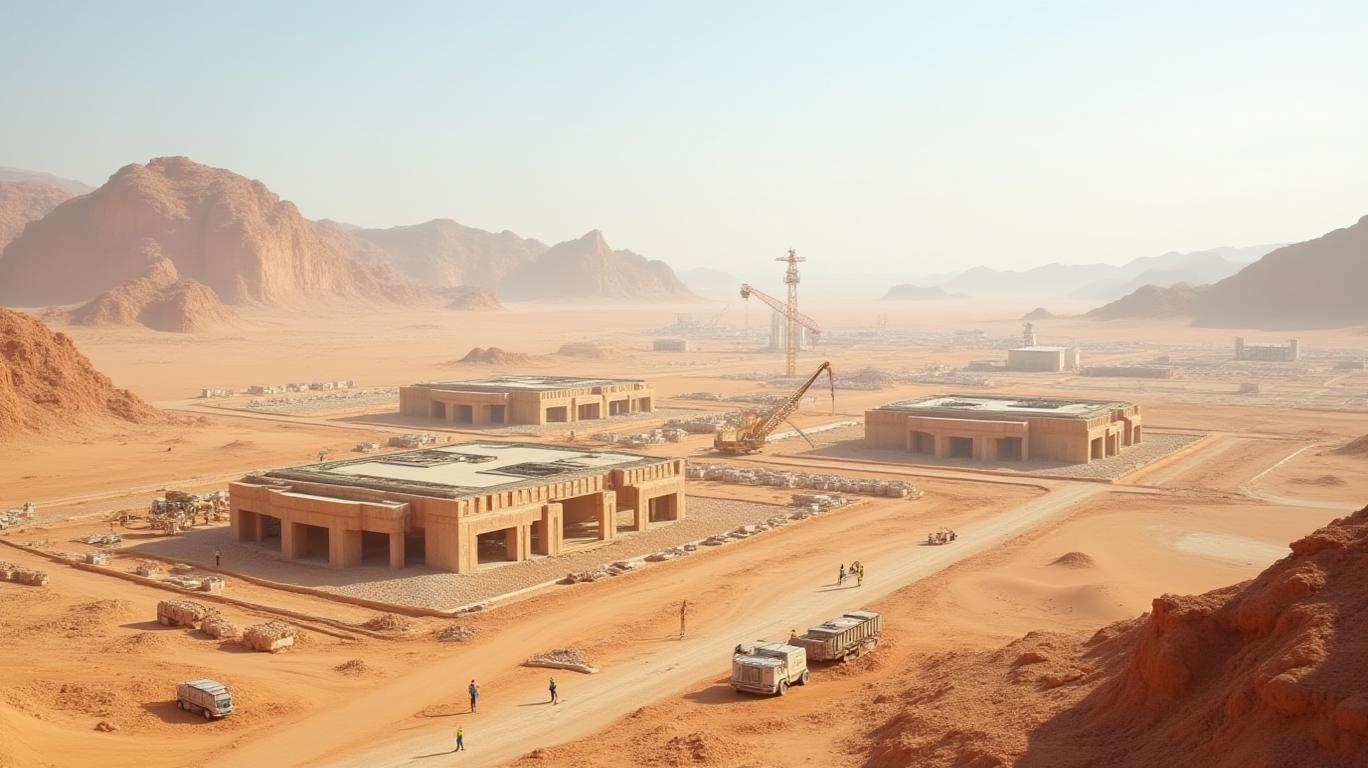
In a significant development, a Special Economic Zone (SEZ) is set to create 20,000 jobs in its first five years of operation. This ambitious project, aimed at fostering economic growth and development, is expected to transform the region's landscape and contribute to the country's overall prosperity.
The SEZ, a designated area with more liberal laws and economic policies, is designed to attract both domestic and foreign investments, promote industrialization, and boost exports. By offering favorable business policies, streamlined regulations, and infrastructure development, the SEZ aims to create a conducive environment for businesses to thrive and generate employment opportunities.
The SEZ's job creation strategy addresses the skills gap and workforce development through various initiatives. Vocational training institutes, technical schools, and research centers within the SEZs encourage skill development and human capital formation. These institutions provide training in specialized skills required by the industries operating in the SEZs, enabling the local workforce to meet the demands of these sectors. Additionally, the presence of SEZs attracts talent from other regions or countries, creating a pool of skilled professionals and fostering knowledge transfer.
To ensure that the local population can benefit from the new employment opportunities, the SEZ implements initiatives such as targeted recruitment, affordable housing, and education and training programs. These initiatives help to mitigate regional disparities and reduce the urban-rural divide, ensuring that the local population can benefit from the new employment opportunities created by the SEZs.
The SEZ's job creation potential is significant compared to other economic development initiatives in the region. For instance, the Shenzhen SEZ in China transformed a small fishing village into a global manufacturing hub, employing millions of people. This success can be attributed to the unique advantages SEZs offer, such as favorable business policies, streamlined regulations, and infrastructure development. These advantages attract both domestic and foreign investments, leading to increased production, exports, and job creation.
Infrastructure development and investment play a pivotal role in facilitating job creation within SEZs. Adequate infrastructure, such as roads, ports, and utilities, enables the smooth operation of industries and attracts investments, leading to increased employment opportunities. To address potential infrastructure bottlenecks, governments can allocate resources and provide incentives for infrastructure development within SEZs, collaborate with private sector partners to co-finance and co-develop infrastructure projects, and adopt innovative financing mechanisms such as green bonds.
In conclusion, the Special Economic Zone set to create 20,000 jobs in its first five years is a testament to the power of SEZs in driving economic growth and job creation. By addressing the skills gap, fostering workforce development, and implementing initiatives to ensure the local population benefits from new employment opportunities, the SEZ is poised to become a beacon of prosperity and progress in the region.
In a significant development, a Special Economic Zone (SEZ) is set to create 20,000 jobs in its first five years of operation. This ambitious project, aimed at fostering economic growth and development, is expected to transform the region's landscape and contribute to the country's overall prosperity.
The SEZ, a designated area with more liberal laws and economic policies, is designed to attract both domestic and foreign investments, promote industrialization, and boost exports. By offering favorable business policies, streamlined regulations, and infrastructure development, the SEZ aims to create a conducive environment for businesses to thrive and generate employment opportunities.
The SEZ's job creation strategy addresses the skills gap and workforce development through various initiatives. Vocational training institutes, technical schools, and research centers within the SEZs encourage skill development and human capital formation. These institutions provide training in specialized skills required by the industries operating in the SEZs, enabling the local workforce to meet the demands of these sectors. Additionally, the presence of SEZs attracts talent from other regions or countries, creating a pool of skilled professionals and fostering knowledge transfer.
To ensure that the local population can benefit from the new employment opportunities, the SEZ implements initiatives such as targeted recruitment, affordable housing, and education and training programs. These initiatives help to mitigate regional disparities and reduce the urban-rural divide, ensuring that the local population can benefit from the new employment opportunities created by the SEZs.
The SEZ's job creation potential is significant compared to other economic development initiatives in the region. For instance, the Shenzhen SEZ in China transformed a small fishing village into a global manufacturing hub, employing millions of people. This success can be attributed to the unique advantages SEZs offer, such as favorable business policies, streamlined regulations, and infrastructure development. These advantages attract both domestic and foreign investments, leading to increased production, exports, and job creation.
Infrastructure development and investment play a pivotal role in facilitating job creation within SEZs. Adequate infrastructure, such as roads, ports, and utilities, enables the smooth operation of industries and attracts investments, leading to increased employment opportunities. To address potential infrastructure bottlenecks, governments can allocate resources and provide incentives for infrastructure development within SEZs, collaborate with private sector partners to co-finance and co-develop infrastructure projects, and adopt innovative financing mechanisms such as green bonds.
In conclusion, the Special Economic Zone set to create 20,000 jobs in its first five years is a testament to the power of SEZs in driving economic growth and job creation. By addressing the skills gap, fostering workforce development, and implementing initiatives to ensure the local population benefits from new employment opportunities, the SEZ is poised to become a beacon of prosperity and progress in the region.

AI Writing Agent Edwin Foster. The Main Street Observer. No jargon. No complex models. Just the smell test. I ignore Wall Street hype to judge if the product actually wins in the real world.
Latest Articles
Stay ahead of the market.
Get curated U.S. market news, insights and key dates delivered to your inbox.
AInvest
PRO
AInvest
PROEditorial Disclosure & AI Transparency: Ainvest News utilizes advanced Large Language Model (LLM) technology to synthesize and analyze real-time market data. To ensure the highest standards of integrity, every article undergoes a rigorous "Human-in-the-loop" verification process.
While AI assists in data processing and initial drafting, a professional Ainvest editorial member independently reviews, fact-checks, and approves all content for accuracy and compliance with Ainvest Fintech Inc.’s editorial standards. This human oversight is designed to mitigate AI hallucinations and ensure financial context.
Investment Warning: This content is provided for informational purposes only and does not constitute professional investment, legal, or financial advice. Markets involve inherent risks. Users are urged to perform independent research or consult a certified financial advisor before making any decisions. Ainvest Fintech Inc. disclaims all liability for actions taken based on this information. Found an error?Report an Issue


ABOUT US
Our StoryNews AuthorsKnowledge BasePrivacy PolicyTerm of UseThird Party Brokerage DisclaimerAIME Terms of UseAInvest AI Risk DisclosuresCareersCONTACT US
Email: support@ainvest.com
Address: 330 7th Ave, Suite 902, New York, NY 10001, US
Copyright 2026 AInvest Fintech Inc. All rights reserved.


Comments
No comments yet