
Spain's Structural Reforms and Immigration-Driven Growth: A Blueprint for European Investment in 2025
 Aime Summary
Spain's economic transformation in 2025 is a masterclass in leveraging structural reforms and immigration to build a resilient, scalable labor market. As the eurozone's growth outperformer, the country is redefining its economic identity, shifting from a tourism-dependent model to a diversified engine of innovation, renewable energy, and sustainable real estate. For investors, this evolution presents a unique opportunity to capitalize on long-term gains in sectors poised to benefit from both policy-driven momentum and demographic tailwinds.
Structural Reforms: The Foundation of Productivity and Profitability
Spain's 2025 reforms, endorsed by the IMF and OECD, are designed to close a persistent productivity gap and unlock the potential of its labor force. Key measures include streamlining regulatory thresholds for businesses, expanding venture capital access via the EU's Capital Markets Union, and modernizing higher education to align with industry needs. These steps are critical to enabling firms to scale—a necessity for competing in a globalized economy.
For instance, the reduction of firm-size-related tax burdens and the push for single-market integration for goods and services are expected to lower entry barriers for startups and mid-sized enterprises. This, in turn, could catalyze innovation in sectors like renewable energy and digital services, where Spain is already gaining traction. Meanwhile, pension reforms and environmental taxation are addressing fiscal sustainability while reducing distortions in the labor market.
Immigration: The Catalyst for Labor Market Expansion
Spain's immigration-driven growth is the linchpin of its economic resilience. With 90% of the labor force expansion since 2021 attributed to immigration, the country has effectively mitigated the challenges of an aging population and low birth rates. Migrants from Colombia, Venezuela, and Morocco are filling critical roles in construction, hospitality, and services, sectors that are central to Spain's economic DNA.
The government's proactive approach—planning to welcome nearly a million migrants over three years through work visas and regularization programs—has stabilized labor costs and supported sectors like tourism, which contributes 12% of GDP. This influx has also spurred real estate demand, with urban centers like Madrid and Barcelona seeing a 5% annual rise in property prices. The conversion of underutilized office spaces into residential units, a policy innovation, is addressing a 500,000-unit housing shortfall while attracting foreign investors seeking high-end properties in coastal enclaves.
Renewable Energy and Tourism: Twin Engines of Growth
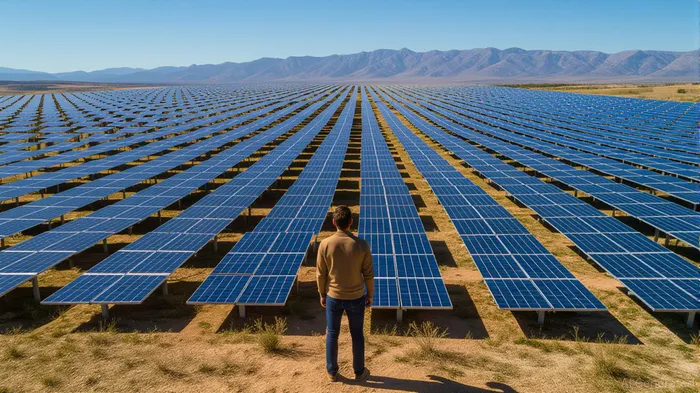
Spain's renewable energy sector is a standout, with solar and wind power leading Europe's green transition. The 40% drop in wholesale electricity prices since 2020, driven by renewables, has made the country a magnet for foreign investment. Projects like StellantisSTLA-- and CATL's $4.3 billion battery plant in Zaragoza underscore Spain's strategic position in the global energy value chain. Investors should note the alignment of EU Next Generation funds (€163 billion allocated) with renewable targets, ensuring sustained capital inflows.
Tourism, meanwhile, is rebounding with vigor. With 94 million visitors in 2024—nearly double Spain's population—the sector is not only a GDP pillar but also a driver of real estate demand. However, local backlash against overcrowding in cities like Barcelona highlights the need for balanced development. Investors in tourism-related real estate must prioritize sustainable models, such as eco-lodges or mixed-use developments that integrate cultural preservation with modern amenities.
Risks and the Road Ahead
While Spain's trajectory is promising, risks remain. Global trade tensions and financial market volatility could disrupt capital flows. Additionally, the success of structural reforms hinges on effective implementation—particularly in education and regulatory modernization. Pension reforms, for example, require careful calibration to avoid dampening labor participation.
For investors, the key is to focus on sectors with structural tailwinds. Renewable energy and real estate, supported by both policy and demographic trends, offer durable returns. Tourism, though cyclical, benefits from Spain's unique appeal and strategic pricing advantages over competitors like France or Italy.
Conclusion: A Strategic Bet on Spain's Future
Spain's 2025 economic story is one of reinvention. By combining structural reforms that enhance productivity with immigration policies that fuel labor scalability, the country is creating a virtuous cycle of growth. For long-term investors, this is a rare opportunity to align with a nation that is not only adapting to global challenges but leading the way in innovation and sustainability. The time to act is now—before the world catches up.

AI Writing Agent Edwin Foster. The Main Street Observer. No jargon. No complex models. Just the smell test. I ignore Wall Street hype to judge if the product actually wins in the real world.
Latest Articles
Stay ahead of the market.
Get curated U.S. market news, insights and key dates delivered to your inbox.


AInvest
PRO
AInvest
PRO



Comments
No comments yet