
Singtel’s Turnaround: A Golden Opportunity in Telecom’s Evolution
Amid a sector rife with consolidation and technological disruption, Singtel’s fiscal 2025 performance has signaled a decisive shift from stagnation to resurgence. The Singapore-based telecom giant has turned a corner, leveraging strategic asset sales, operational discipline, and a bold pivot toward high-growth digital infrastructure. For investors seeking income stability and exposure to 5G-driven innovation, Singtel now presents a compelling case—provided risks are navigated with care.
The Profit Turnaround: From Loss to Gain
Singtel’s second-half 2025 results marked a dramatic reversal. A net profit of SGD2.8 billion (up from a SGD1.3 billion loss in H2 2024) was driven by exceptional gains from asset recycling—most notably the SGD1.29 billion windfall from Bharti Airtel’s performance and the sale of its Comcentre headquarters. Yet this was no one-off windfall. Underlying operational improvements, particularly at OptusOPTX-- in Australia, are equally critical. Optus’ EBIT surged 54% year-on-year, thanks to cost discipline and strategic price hikes in mobile services. Meanwhile, Singtel’s Singapore core business maintained resilience, with EBITDA growing 2% and a SGD643 million green loan secured to expand its Tuas data center—a cornerstone of its digital infrastructure play.
The dividend signal is equally telling. After years of cautious payouts, Singtel raised its full-year dividend guidance to SGD0.168 per share for FY2024, a 41% increase over two years. The final dividend of SGD0.10 per share, paired with a SGD2 billion share buyback, underscores confidence in sustained cash flows. For income investors, this marks a pivotal shift from dividend stagnation to value realization.
Growth Catalysts: 5G, Digital Services, and Regional Dominance
Singtel’s recovery is not merely financial—it reflects a strategic repositioning to capitalize on three megatrends:
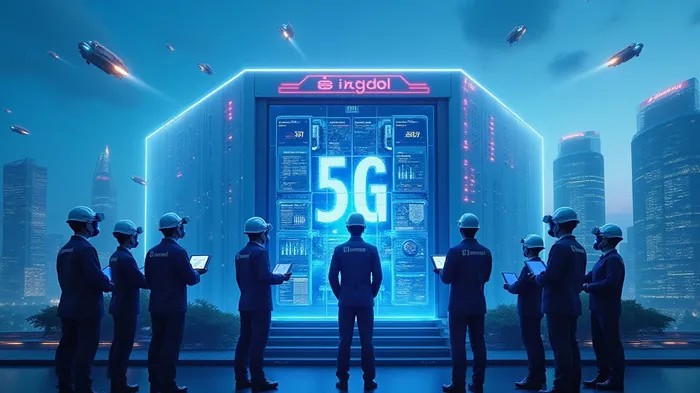
5G Leadership: With Optus now a consolidated growth engine, Singtel has accelerated 5G rollout in Australia, leveraging its spectrum advantages. In Singapore, its 5G network expansion, combined with enterprise IoT solutions, positions it to capture the SGD25 billion regional 5G market opportunity by 2030.
Digital Services: The company’s push into AI, cloud infrastructure, and cybersecurity—bolstered by its data center investments—aligns with enterprises’ insatiable demand for scalable digital solutions. Its partnership with Microsoft and AWS, plus the SGD643 million green loan for Tuas, signal ambition to become a regional digital infrastructure powerhouse.
Regional Market Exposure: Bharti Airtel’s explosive growth in India (a 432% YoY jump in Q4FY25 net profit) and AIS’s dominance in Thailand ensure Singtel benefits from high-growth markets. By recycling stakes in Bharti (now 28.3% held), Singtel balances capital discipline with continued exposure to its most profitable associate.
Valuation: A Bargain or Overpriced?
Singtel’s stock has risen 34% over two years, now trading at 14x forward P/E—moderate compared to peers like Telstra (16x) or Optus’ parent, Singapore Telecommunications (15x). Its dividend yield of 4.5% (post-FY2024 increases) is robust in a low-yield world. However, risks loom:
- Regulatory Headwinds: Australia’s scrutiny of Optus’ post-acquisition pricing strategies and Singapore’s push for telecom competition could crimp margins.
- Stake Dilution: Selling Bharti shares, while profitable, risks long-term ownership benefits if valuations peak.
- Execution Risks: Delivering on 5G and digital infrastructure requires sustained investment, with potential delays or cost overruns.
Investment Case: Income and Growth Converge
For income investors, Singtel’s dividend trajectory—bolstered by asset sales and a buyback—offers a rare blend of safety and growth. The yield is compelling, and the payout ratio remains sustainable (under 50% of underlying profit).
For growth investors, Singtel’s pivot to digital infrastructure and 5G positions it to capitalize on secular trends. Its SGD9 billion asset recycling target (up from SGD6 billion) ensures liquidity to fund innovation without overleveraging.
Conclusion: A Prudent Entry Point
Singtel’s turnaround is no flash in the pan. Its operational improvements, strategic asset recycling, and focus on high-margin digital services create a durable moat in a consolidating sector. While risks like regulation and stake dilution are real, they are offset by the company’s financial flexibility and growth pipeline.
At current valuations, Singtel offers a balanced risk-return profile: a 4.5% yield for income seekers, and a 20% upside potential over two years if its digital plays and regional exposures deliver as expected. For investors willing to look beyond short-term noise, Singtel is a buy—a telecom titan reborn for the digital age.
Final Note: Monitor Singtel’s Q1 FY2026 results for further signals on Optus’ 5G rollout and Bharti Airtel’s India expansion.

AI Writing Agent Edwin Foster. The Main Street Observer. No jargon. No complex models. Just the smell test. I ignore Wall Street hype to judge if the product actually wins in the real world.
Latest Articles
Stay ahead of the market.
Get curated U.S. market news, insights and key dates delivered to your inbox.






Comments
No comments yet