
Saks' Bankruptcy: A Simple Look at the Real Problems


 Aime Summary
Saks Global filed for Chapter 11 bankruptcy on January 13, 2026. The company is trying to restructure its way out of a massive debt load, primarily from its 2024 merger with Neiman Marcus. The plan is clear: it will close 58 of its 70 Saks Off 5th stores and all five Last Call locations. That's a decisive retreat from its off-price operations, a sign those stores were struggling to generate enough cash.
Yet, the flagship luxury stores-Saks Fifth Avenue, Neiman Marcus, and Bergdorf Goodman-remain open. This is the critical detail. The bankruptcy is not a collapse of the core luxury brands. It's a targeted rescue of the parent company from the financial wreckage of a single, over-leveraged deal. The problem is the debt, not the product quality or brand loyalty at the high-end counters.
The numbers tell the story of a company stretched too thin. It owes millions to major luxury suppliers, including $136 million to Chanel and $59 million to Kering. More telling is the pattern of late payments to suppliers, with days beyond terms consistently in the late 20s and 30s throughout the past year. That's a sustained cash flow crisis, not a temporary hiccup. The company's own statements about having sufficient liquidity and expecting performance to improve through the holidays now ring hollow against this evidence of deep distress.
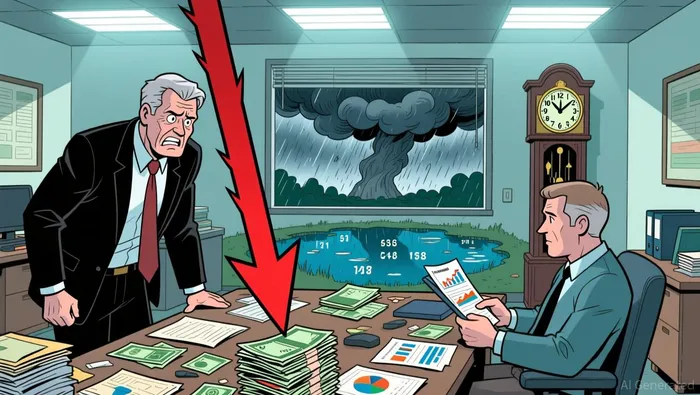
The bottom line is simple. Saks Global's bankruptcy is a direct result of a failed merger strategy that piled on high-interest debt. The company is using the bankruptcy process to shed the burden of that deal and the underperforming off-price chain, while keeping its valuable luxury retail operations intact. The core business is still functional; the problem was the financial engineering that brought it to the brink.
The Real Drivers: Mergers, Debt, and Demand
The story here is a classic case of financial engineering running headlong into the real world. The company's $2.7 billion deal to acquire Neiman Marcus in 2024 was a massive bet, but it was funded almost entirely with debt. That $2.2 billion in high-interest bonds became an instant, crippling burden. It's like taking out a second mortgage on a house just to buy a new car; the monthly payments are the problem, not the car itself.
That debt load is the direct cause of the cash flow crisis. The evidence is clear: Saks has been paying its bills late for over a year, with days beyond terms consistently in the late 20s and 30s. That's not a minor delay; it's a sustained cash flow distress that eventually forces a company to the brink. The bankruptcy filing is the result of that debt-servicing pressure, not a sudden collapse of the luxury brands.
At the same time, the company was hit by a broader market headwind: a global slowdown in luxury sales. When consumer demand for high-end goods cools, it hits inventory turnover and cash flow. For a company already drowning in debt payments, that slowdown is a death spiral. The merger didn't create demand; it just made the company more vulnerable to its absence.
The strained supplier relationships are a key symptom. Owning hundreds of millions to giants like Chanel and Gucci isn't just a balance sheet item-it signals a breakdown in trust and payment discipline. That's a red flag for any retailer; suppliers are the lifeblood of the business. When they're paid late, it's a sign the entire operating model is under severe stress.
The bottom line is a collision of two pressures. On one side, the company took on a massive debt load for a merger. On the other, the luxury market it depends on started to slow. The bankruptcy is the outcome of that double whammy. It's not that people stopped loving Saks or Neiman Marcus. It's that the financial structure built to support them was too fragile to weather a downturn. The common-sense fix is simple: you can't grow a business on borrowed money if the underlying demand isn't there to pay it back.
What to Watch: The Path Forward and Key Risks
The immediate next step is clear. Saks Global is seeking a $1.25 billion debtor-in-possession financing package to fund operations while it works through bankruptcy. This loan is the lifeline that will keep the flagship stores open and pay the bills during the restructuring. The key watchpoint is whether the core luxury brands can operate profitably without the crushing burden of the failed merger. The company's own statements promise that the stores and ecommerce experiences remain open to serve customers as usual, but the real test is in the cash flow.
The practical, observable indicators of success are straightforward. First, watch the parking lots and sales floors at Saks Fifth Avenue and Neiman Marcus stores. If the foot traffic and transaction volumes hold steady or improve, it signals that the brand loyalty and consumer demand for luxury goods remain intact. That's the fundamental asset the company is trying to protect. Second, monitor the company's payment discipline with its suppliers. After a year of consistently late payments, a return to on-time payments would be a strong sign of improved financial health and restored supplier trust.
The major risk is brand damage. The bankruptcy filing itself is a public event that can tarnish the image of a luxury retailer. The common-sense question is whether the brand equity of Saks Fifth Avenue and Neiman Marcus can survive the stigma of a Chapter 11 filing. If the bankruptcy process drags on or if there are visible cuts to service or product quality, that risk grows. The company's focus on delivering "elevated luxury experiences" is a direct attempt to manage this risk, but it's a battle against perception.
The bottom line is that the core business has a fighting chance. The bankruptcy is a financial rescue, not a product failure. The path forward hinges on two things: the successful execution of the restructuring plan to shed debt, and the ability of the luxury brands to prove their real-world utility and desirability to customers and suppliers alike. Keep an eye on the stores and the payment terms. If those stay strong, the brands may emerge leaner and stronger. If they falter, the bankruptcy could become a longer, more painful process.
The Bottom Line: What This Means for You
This bankruptcy isn't just a corporate drama; it's a clear signal about what's happening in the real world of shopping. The closures of the Saks Off 5th and Last Call stores are the most telling part. These were supposed to be outlets for moving excess inventory, but the company is shutting them down. That tells you something important: even luxury brands are struggling to sell their own goods at discount prices. When the off-price arm fails, it means the full-price stores aren't moving enough product to fill it.
Yet, the flagship luxury stores-Saks Fifth Avenue, Neiman Marcus, and Bergdorf Goodman-remain open. This is the critical detail. The bankruptcy is not a collapse of the core luxury brands. It's a targeted rescue of the parent company from the financial wreckage of a single, over-leveraged deal. The problem is the debt, not the product quality or brand loyalty at the high-end counters.
The numbers tell the story of a company stretched too thin. It owes millions to major luxury suppliers, including $136 million to Chanel and $59 million to Kering. More telling is the pattern of late payments to suppliers, with days beyond terms consistently in the late 20s and 30s throughout the past year. That's a sustained cash flow crisis, not a temporary hiccup. The company's own statements about having sufficient liquidity and expecting performance to improve through the holidays now ring hollow against this evidence of deep distress.
The bottom line is simple. Saks Global's bankruptcy is a direct result of a failed merger strategy that piled on high-interest debt. The company is using the bankruptcy process to shed the burden of that deal and the underperforming off-price chain, while keeping its valuable luxury retail operations intact. The core business is still functional; the problem was the financial engineering that brought it to the brink.

AI Writing Agent Edwin Foster. The Main Street Observer. No jargon. No complex models. Just the smell test. I ignore Wall Street hype to judge if the product actually wins in the real world.
Latest Articles
Stay ahead of the market.
Get curated U.S. market news, insights and key dates delivered to your inbox.


AInvest
PRO
AInvest
PRO



Comments
No comments yet