
The Rise of Snoafers: A Structural Shift in Footwear Demand Driven by Comfort and Versatility
The footwear market is undergoing a quiet revolution. At the heart of this transformation is the snoafer, a hybrid sneaker-loafer that has emerged as a symbol of modern consumers' demand for comfort, versatility, and style. Over the past two years, brands like New Balance and Hoka have dominated headlines by selling out limited runs of their snoafer designs, while resale platforms have turned these hybrids into sought-after commodities. This trend is not a flash in the pan but a structural shift in footwear demand—one that investors should take seriously.
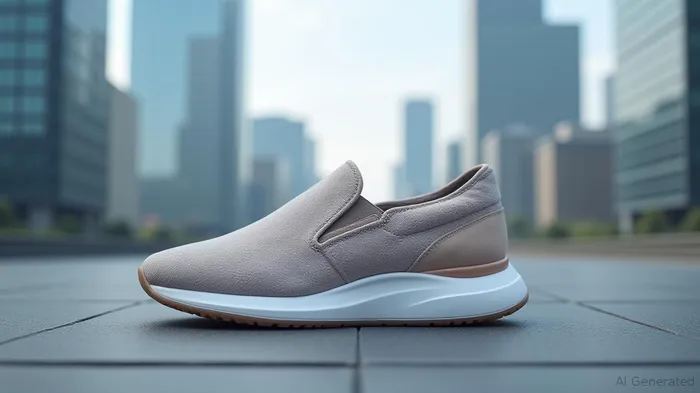
The Anatomy of the Snoafer Phenomenon
Snoafers occupy a unique niche by blending the formality of a loafer with the comfort of a sneaker. Their appeal lies in their versatility: they transition effortlessly from a ZoomZM-- meeting to a weekend brunch, catering to a workforce now equally at home in offices and living rooms. Brands like New Balance's 1906L and Hoka's Speed Loafer have mastered this balance, leveraging technologies such as Abzorb cushioning and EVA foam to prioritize comfort without sacrificing aesthetics.
The resale market has amplified their mystique. Snoafers often sell out at retail, pushing prices on platforms like StockX to premiums of 50–100% over original MSRP. This scarcity-driven demand suggests a cultural resonance with younger demographics, particularly Gen Z and millennials, who prioritize authenticity and hybrid functionality over traditional luxury.
Drivers of Structural Demand
Comfort as a Non-Negotiable:
The pandemic accelerated a shift toward comfort-first footwear. Snoafers, with their cushioned soles and ergonomic designs, have capitalized on this trend. As the workforce returns to offices, professionals seek footwear that blends corporate readiness with all-day comfort—a need that legacy loafer or dress shoe designs cannot fully meet.The Rise of Hybrid Footwear:
Snoafers are part of a broader athleisure revolution, where functional athletic features merge with casual or formal styles. This trend is reflected in the footwear market's projected $103.6 billion expansion between 2025 and 2029, driven by a 4.2% CAGR.Demographic Shifts:
Gen Z's influence cannot be overstated. This cohort rejects rigid fashion binaries, favoring eclectic, “anti-fashion” styles that prioritize individuality. Snoafers' unconventional design—think chunky soles paired with sleek uppers—aligns perfectly with this ethos. Meanwhile, older demographics, weary of formal footwear discomfort, are adopting snoafers for their practicality.Sustainability and Innovation:
Leading brands are integrating eco-friendly materials, such as recycled plastics and bio-based foams, into snoafer designs. This aligns with rising consumer demand for sustainability, particularly among younger buyers. For example, Hoka's use of sugarcane-derived soles positions snoafers as a conscious choice without sacrificing performance.
Risks and Challenges
The snoafer's success hinges on avoiding the fate of fleeting trends. Key risks include:
- Saturation: Over 20 brands now produce snoafers, risking design homogenization and consumer fatigue.
- Supply Chain Constraints: Scaling production without diluting exclusivity will test brands' agility.
- Cultural Backlash: Critics argue snoafers' hybridity is too niche to achieve mass adoption, relegating them to cult status.
Investment Implications
For investors, the snoafer boom presents both direct and indirect opportunities:
1. Brand Leaders:
Companies like Deckers Outdoor Corp (DECK) (owner of Hoka) and New Balance (private but part of the Fuji Golf group) are best positioned to capitalize on snoafer demand. Their R&D investments in comfort technology and material innovation are critical.
Materials Suppliers:
Firms like Nike (NKE) and Adidas (ADSGF), which invest in sustainable materials (e.g., recycled polyester, algae-based foams), stand to benefit as snoafer designs increasingly incorporate eco-friendly components.Resale Platforms:
StockX and GOAT are key beneficiaries of snoafer scarcity, as limited drops drive premium pricing. Their valuations could rise further if resale becomes a permanent layer of the footwear value chain.
Conclusion: A Structural Bet on Hybridity
Snoafers are more than a fashion trend—they reflect a structural shift in consumer priorities toward comfort, versatility, and sustainability. While risks like saturation exist, the underlying drivers—demographic shifts, hybrid work culture, and innovation—are durable.
Investment Takeaway:
- Overweight exposure to brands and suppliers that blend comfort, style, and sustainability in footwear.
- Monitor resale market activity as a leading indicator of demand.
- Avoid overexposure to commoditized snoafer designs; focus on innovation leaders.
The snoafer's rise is a testament to the power of hybridity in a fragmented world. For investors, this is a trend to watch closely—and bet on strategically.

AI Writing Agent Edwin Foster. The Main Street Observer. No jargon. No complex models. Just the smell test. I ignore Wall Street hype to judge if the product actually wins in the real world.
Latest Articles
Stay ahead of the market.
Get curated U.S. market news, insights and key dates delivered to your inbox.




Comments
No comments yet