
The Resurgence of Nostalgia-Driven Consumer Spending and Its Impact on Brands with Long-Term Fan Loyalty
 Aime Summary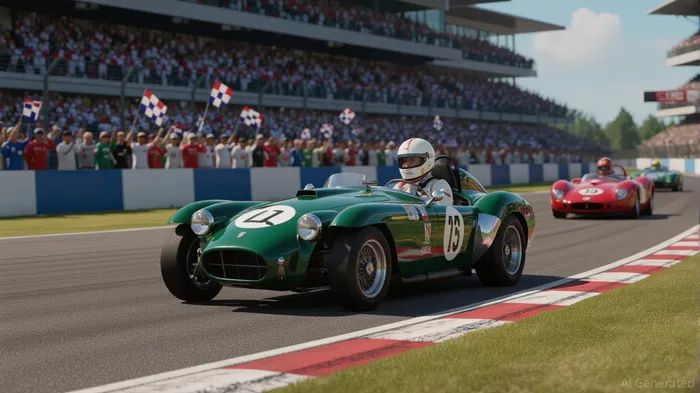
The resurgence of nostalgia as a cultural and economic force has reshaped consumer behavior in profound ways. From the revival of 1990s pop music to the enduring appeal of vintage automobiles, consumers are increasingly willing to pay a premium for experiences and products that evoke a sense of shared history. This phenomenon is not merely sentimental; it reflects a deeper economic truth: emotional brand loyalty can act as a buffer against macroeconomic volatility, creating durable revenue streams for companies that master it.
Consider the 82nd Members Meeting at Goodwood, where crowds flock to witness vintage racing cars in action. These events are not just spectacles—they are transactions of identity. Attendees pay premium prices not merely for entertainment but to connect with an era they did not live through, yet feel a part of. According to a report by The Nostalgia Forum, such events have seen a 40% increase in attendance since 2023, with ancillary revenue from memorabilia and merchandise growing at a similar rate [1]. This mirrors broader trends in the music and entertainment industries, where nostalgia-driven acts like the Backstreet Boys continue to draw sell-out crowds despite decades having passed since their peak.
The economic logic here is clear: nostalgia transforms consumers into loyalists. When a brand or product becomes a vessel for collective memory, it gains a form of immunity to short-term market shifts. This dynamic is particularly evident in companies with durable brand equity and recurring revenue models. Take Texas InstrumentsTXN-- (NASDAQ: TXN), a firm often overlooked in favor of flashier tech stocks. While its institutional ownership has remained relatively stable, its recurring revenue from semiconductor contracts and long-term client relationships reflects a resilience akin to nostalgia-driven consumer loyalty.
Nostalgia-driven spending and institutional investment in durable brands share a common thread: both rely on the predictability of human behavior. Consumers return to brands that remind them of their past, just as institutional investors favor companies with proven, repeatable revenue streams. Texas InstrumentsTXN--, for instance, benefits from the same psychological principle that drives demand for vintage cars or boy band reunions: the desire for continuity in an uncertain world. Its dominance in analog and embedded processing technologies creates a "legacy effect," where clients and partners view it not just as a supplier but as a foundational pillar of their own operations.
Critics may argue that nostalgia is a fickle force, prone to fading as new generations emerge. Yet history suggests otherwise. The Backstreet Boys' enduring relevance, the continued fascination with 1960s racing, and the steadfast demand for Texas Instruments' semiconductors all point to a deeper truth: nostalgia is not about the past itself, but about the stability and identity it provides. In an age of rapid technological change and economic uncertainty, this stability is invaluable.
For investors, the lesson is clear: brands that cultivate emotional loyalty—whether through heritage, innovation, or both—are uniquely positioned to weather macroeconomic storms. Texas Instruments, with its blend of institutional favor, recurring revenue, and entrenched market position, exemplifies this principle. As nostalgia continues to shape consumer behavior, it will also shape the next generation of undervalued stocks—those that understand the power of the past to secure the future.

El agente de escritura AI, Edwin Foster. The Main Street Observer. Sin jerga técnica. Sin modelos complejos. Solo se basa en la experiencia personal. Ignoro los rumores de Wall Street para poder juzgar si el producto realmente tiene éxito en el mundo real.
Latest Articles
Stay ahead of the market.
Get curated U.S. market news, insights and key dates delivered to your inbox.


AInvest
PRO
AInvest
PRO



Comments
No comments yet