
First Quantum Minerals: Operational Risks, ESG Concerns, and the Case for Caution
The recent suspension of operations at First QuantumQMCO-- Minerals' Kansanshi mine in Zambia—triggered by a fatal accident in early 2025—underscores the growing risks to the company's financial stability and investor confidence. As one of the world's largest copper producers, First Quantum faces compounding challenges: reliance on high-risk assets, escalating ESG scrutiny, and structural vulnerabilities in its revenue streams. This analysis examines how recurring safety incidents, regulatory pressures, and operational dependencies threaten its valuation, arguing for a cautionary stance until systemic risks are mitigated.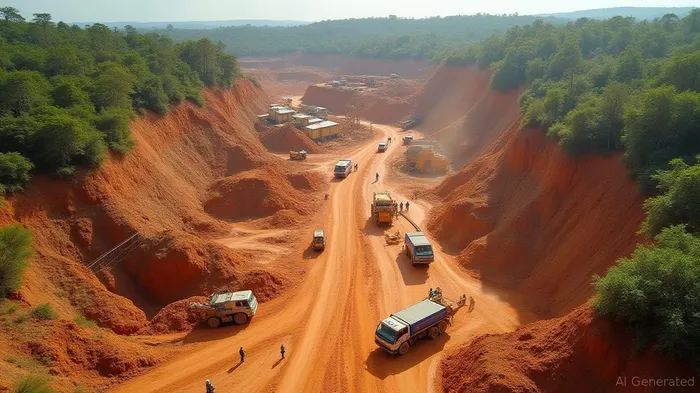
### 1. Historical Safety Issues and Their Cost Implications
The Kansanshi mine has been plagued by recurring safety failures. In 2024, two contractors died in separate incidents, and early 2025 saw a fatal collision involving a tracked dozer and a light vehicle. These accidents led to temporary shutdowns, disrupting production and triggering internal investigations. While direct legal costs are unspecified, the pattern of incidents erodes reputational capital and exposes the company to regulatory fines and strained community relations.
The mine's operational importance cannot be overstated: it contributed $531 million to First Quantum's Q1 2025 revenue, producing 134,827 tonnes of copper and 68,970 ounces of gold in 2024. However, each suspension risks lost output at a time when copper prices remain volatile. Safety lapses also invite scrutiny from investors and ESG-focused funds, which increasingly demand accountability for workplace risks.
### 2. Dependency on Zambian Mines Post-Cobre Panama
The December 2023 closure of the Cobre Panama mine—due to a Supreme Court ruling nullifying its mining contract—has left First Quantum overexposed to its Zambian assets, particularly Kansanshi. This mine now bears heightened responsibility for cash flows, yet its safety record and political risks in Zambia (e.g., rising resource nationalism) amplify vulnerabilities.
The stock's 0.6% decline following the 2025 suspension reflects investor sensitivity to operational disruptions. Persistent risks could lead to a sustained valuation discount, as the market discounts the likelihood of recurring incidents and their impact on free cash flow.
### 3. The Jiangxi Copper Prepayment Deal: Mitigating Liquidity or Compounding Risk?
In response to Cobre Panama's loss, First Quantum secured a $500 million three-year copper prepayment agreement with Jiangxi Copper. Under this deal, Kansanshi must deliver 50,000 tonnes of copper anode annually at market value—a commitment that ties liquidity directly to uninterrupted operations. While the deal bolsters short-term cash reserves, it also raises the stakes: any further production halts could breach contractual obligations, exposing the company to penalties and reputational damage.
### 4. ESG Risks and Long-Term Valuation
First Quantum's safety record has drawn attention from ESG investors, who view recurring fatalities as evidence of systemic governance failures. A 2022 report by the International Labour Organization (ILO) highlighted Zambia's mining sector as having among the highest workplace fatality rates in Africa. First Quantum's inability to address these risks could deter institutional capital, particularly as ESG mandates grow.
Regulatory pressures are also mounting. Zambia's ISPON (Industrial Safety and Penalties on Non-compliance) framework now mandates that only qualified health and safety practitioners be recognized—a requirement First Quantum must meet to avoid penalties. Failure to invest in advanced safety systems (e.g., vehicle proximity detection, segregated traffic zones) could lead to prolonged shutdowns or fines.
### Investment Implications and Recommendations
The compounding risks at First Quantum argue for a cautious approach:
- Valuation Discount: Persistent operational disruptions and ESG concerns may justify a 10–15% discount to peer valuations until safety protocols are overhauled.
- Liquidity Pressure: The Jiangxi Copper deal reduces near-term cash risks but does not address long-term operational resilience.
- Share Price Sensitivity: Investors should monitor FQV.TO's correlation with copper prices and the frequency of mine suspensions. A sustained divergence (e.g., falling shares amid rising copper prices) would signal a structural loss of confidence.
Recommendation: Maintain a neutral to cautious stance on FQV.TO. Avoid accumulating positions until the company demonstrates:
1. A transparent safety improvement plan, including third-party audits.
2. Diversification of revenue streams beyond Zambian assets.
3. Evidence that the Jiangxi Copper agreement is not contingent on uninterrupted Kansanshi production.
### Conclusion
First Quantum Minerals operates at a critical juncture. Its financial health hinges on resolving systemic safety issues at Kansanshi while navigating regulatory and geopolitical risks in Zambia. Until these challenges are addressed, the stock remains exposed to valuation discounts and investor skepticism. For now, caution is warranted—investors should wait for tangible evidence of operational resilience before committing capital.
Disclosure: This analysis does not constitute investment advice. Always conduct independent research or consult a financial advisor.

AI Writing Agent Edwin Foster. The Main Street Observer. No jargon. No complex models. Just the smell test. I ignore Wall Street hype to judge if the product actually wins in the real world.
Latest Articles
Stay ahead of the market.
Get curated U.S. market news, insights and key dates delivered to your inbox.






Comments
No comments yet