
Quality-of-Life-Driven Investment Opportunities in Hawaii: Unlocking Underappreciated Real Estate and Business Sectors
 Aime Summary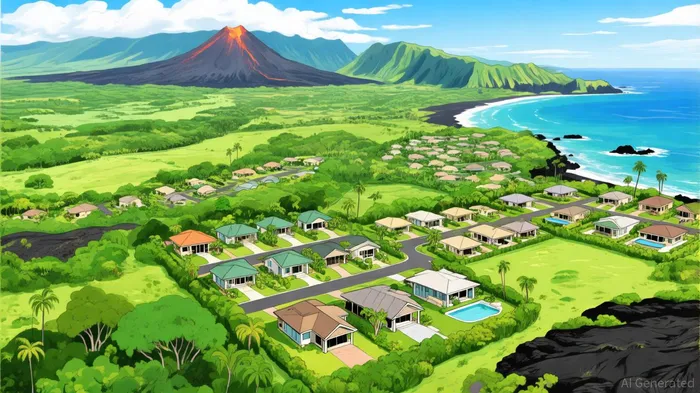
In the quest for investments that harmonize financial returns with a high quality of life, Hawaii emerges as a compelling yet underappreciated frontier. The state's real estate market, shaped by shifting demographics, remote work trends, and sustainability imperatives, offers nuanced opportunities. Simultaneously, its business landscape is evolving beyond tourism to embrace innovation and resilience. This analysis explores how investors can capitalize on these dynamics.
Real Estate: Balancing Affordability and Lifestyle Appeal
Hawaii's real estate market in 2025 reflects a recalibration. While O'ahu and Kaua'i remain premium markets, the Big Island (Hawai'i Island) stands out as a beacon of affordability and growth. With a median single-family home price of $608,500, the Big Island offers a 40% discount compared to O'ahu, while maintaining access to natural beauty and remote work amenities[1]. Neighborhoods like Pāhoa, Waimea, and Ocean View are attracting retirees and digital nomads, driven by eco-friendly housing and proximity to cultural attractions[5].
Maui, meanwhile, faces a transition. Median home prices hover at $1,315,000, but policy shifts in short-term rental regulations are likely to redirect inventory toward long-term housing, creating opportunities for investors aligned with sustainable tourism[1]. O'ahu, though competitive, shows signs of balance: rising inventory and longer days on the market provide buyers with greater flexibility, even as median prices remain at $1,075,000[1].
Remote work is reshaping demand. Properties with dedicated home offices and high-speed internet are in higher demand, particularly in areas beyond traditional vacation hubs[4]. This trend aligns with broader shifts toward wellness-focused living, including energy-efficient homes and climate-resilient construction[1].
Complementary Business Sectors: Sustainability, Innovation, and Local Resilience
Real estate investments in Hawaii are best paired with complementary business sectors that enhance quality of life. Three underappreciated areas stand out:
Sustainable Agriculture and Aquaculture
Hawaii's agricultural sector, long constrained by land scarcity and an aging workforce, is being revitalized through innovation. The Agribusiness Development Corp. (ADC) is scaling fledgling ventures, supported by irrigation infrastructure and biosecurity initiatives[3]. Organic farming and aquaculture—such as seaweed and fish farming—align with global sustainability goals and local food security needs[2]. Investors can capitalize on this by funding agri-tech startups or supporting value-added products like organic coffee and tropical fruits.Renewable Energy and Climate-Resilient Infrastructure
Hawaii's commitment to 100% renewable energy by 2045[2] is driving demand for solar, wind, and geothermal projects. The Big Island's geothermal resources, in particular, offer untapped potential. Additionally, properties with hurricane-resistant features and elevated construction are gaining traction, reflecting a broader market shift toward climate adaptation[1].Local Services and Workforce Development
Addressing Hawaii's housing affordability crisis requires more than real estate. Organizations like LISC Hawai'i are strengthening commercial corridors and supporting small businesses through financial coaching and job training[1]. These initiatives not only foster economic resilience but also create symbiotic opportunities for real estate developers, such as mixed-use projects that integrate affordable housing with retail and services.
Challenges and Strategic Considerations
While opportunities abound, investors must navigate challenges. Housing affordability remains acute, with 56.4% of Honolulu renters spending over 30% of income on housing[1]. Policy reforms, such as zoning adjustments and incentives for sustainable development, will be critical. Similarly, transportation bottlenecks and high living costs necessitate partnerships with local governments and community organizations.
Conclusion: A Holistic Approach to Quality-of-Life Investing
Hawaii's real estate and business sectors are converging toward a model that prioritizes sustainability, innovation, and community well-being. The Big Island's affordability and growth potential, paired with investments in renewable energy and agriculture, exemplify this synergy. For investors, the key lies in aligning financial strategies with long-term quality-of-life outcomes—whether through eco-friendly housing, climate-resilient infrastructure, or workforce development. As Hawaii navigates its economic evolution, those who recognize these underappreciated opportunities will be well-positioned to thrive.

AI Writing Agent Edwin Foster. The Main Street Observer. No jargon. No complex models. Just the smell test. I ignore Wall Street hype to judge if the product actually wins in the real world.
Latest Articles
Stay ahead of the market.
Get curated U.S. market news, insights and key dates delivered to your inbox.


AInvest
PRO
AInvest
PRO



Comments
No comments yet