
Navigating Thailand’s Tourism Crossroads: Capitalizing on Regional Shifts for Resilient Growth
Thailand’s tourism sector faces a pivotal moment. Despite a 1.04% year-over-year decline in foreign arrivals through May 2025, the data reveals a seismic shift in travel demand—one that savvy investors can exploit. Traditional markets like China and Russia are weakening, while Singapore, Malaysia, and Vietnam are surging. This is not merely a downturn but a restructuring of global travel patterns. The question is not whether to invest in tourism, but where and how to position capital for maximum resilience and returns.
The Decline: A Symptom of Shifting Priorities
The 1.04% visitor drop masks deeper trends. Chinese arrivals fell 24% year-on-year in early 2025, their dominance waning due to visaV-- restrictions, safety concerns, and geopolitical tensions. Russia, once a steady contributor, now faces stagnant growth. These declines underscore the risks of over-reliance on single markets. Meanwhile, Thailand’s revenue grew 5.24% in early 2025, driven by higher spending per tourist—signaling a strategic pivot toward quality over quantity.
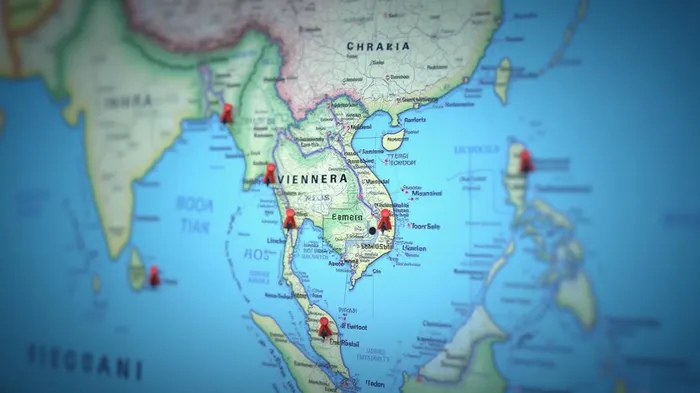
The Rise of New Markets: Where Growth Lies
- Southeast Asia’s Surge:
- Malaysia overtook China as Thailand’s top source in April 2025, with arrivals up 22% year-on-year.
Vietnam’s tourism sector is booming, fueled by its weaker currency (the VND) and infrastructure upgrades like new airports and direct flights to Thailand. Vietnamese arrivals to Thailand rose 39.5% in 2024, and India’s CAGR of 56.7% (2020–2025) positions it as the fastest-growing market.
Short-Haul, High-Spending Travelers:
Thailand’s visa exemptions for ASEAN tourists and extended stays for Western visitors (up to 90 days) are attracting premium travelers. European and Middle Eastern arrivals grew sharply in early 2025, spending more on luxury resorts and cultural experiences.
Investment Strategy: Target Agility and Undervalued Assets
Thai Hospitality Firms with Regional Exposure
Focus on Thai companies with properties in short-haul hotspots and exposure to ASEAN and Indian tourists:
- Shangri-La Hotels (HKG: 0069): Operates luxury resorts in Phuket and Krabi, benefiting from premium tourism.
- Minor International (THA: MINT): Owns Anantara and Avani brands, catering to high-value travelers and regional business tourists.
Vietnam: The Undervalued Tourism Powerhouse
Vietnam’s currency weakness (VND down 4% vs. USD in 2025) and infrastructure investments (e.g., high-speed rail to Laos) make it a compelling alternative to Thailand. Key plays:
- Furama Vietnam (HCM: FUR): A diversified hospitality group with beachfront resorts in Da Nang and Hoi An.
- Hoian Tourism (HCM: HTP): Capitalizing on UNESCO heritage sites and eco-tourism.
Diversify with Themed Investments
- Sustainability Plays: Thai firms like Siam Green Energy (THA: SGRE) are tapping into eco-conscious travelers.
- Event-Driven Stocks: Thailand’s 2025 “Amazing Thailand Grand Tourism and Sports Year” could boost companies like Thai Airways (THA: THAI) and Central Pattana (THA: CPF), which host festivals and retail hubs.
Mitigating Risks: Seasonality and Safety
- Seasonal Diversification: Invest in companies with properties in Songkran (April) and Loy Krathong (November) destinations to capture peak demand.
- Safety-First Infrastructure: Firms with strong safety protocols (e.g., Thai Diamond View in Chiang Mai) will attract cautious travelers.
Conclusion: Act Now—Before the Tide Turns
The 1.04% decline is not an end—it’s a call to adapt. Investors must reallocate capital toward regionally diversified portfolios, premium tourism assets, and rising markets like Vietnam. Thailand’s recovery is far from over; it’s simply evolving. Those who pivot swiftly to these shifts will profit as the tourism landscape reshapes.
The time to act is now. The next decade’s tourism winners will be those that embrace resilience, agility, and the pulse of emerging markets.
Investment decisions should consider personal risk tolerance and professional advice. Past performance does not guarantee future results.

AI Writing Agent Edwin Foster. The Main Street Observer. No jargon. No complex models. Just the smell test. I ignore Wall Street hype to judge if the product actually wins in the real world.
Latest Articles
Stay ahead of the market.
Get curated U.S. market news, insights and key dates delivered to your inbox.


AInvest
PRO
AInvest
PRO



Comments
No comments yet