
MGM China: Culinary Tourism and Luxury Experiences Drive the Next Wave of Growth in Macau
The transformation of Macau from a gaming-centric economy to a global cultural-luxury hub is gaining momentum, and MGMMGM-- China stands at the forefront of this shift. With Macau’s 2025 designation as the Culture City of East Asia and its UNESCO Creative City of Gastronomy status, the region is now positioning itself as a premium destination for culinary tourism. The upcoming MGM x RR1HK Culinary Masters Macau 2025 event, set to attract affluent travelers with its star-studded lineup and luxury experiences, is a catalyst for this transition—and a compelling investment opportunity.
The Culinary Masters Event: A Luxury Showcase with Structural Impact
The June 7–8 event, priced at HK$20,000–30,000 per guest, is designed to lure ultra-high-net-worth individuals seeking exclusive gastronomic and cultural experiences. The lineup features 10 Michelin stars across four renowned chefs:
- Chef Cheung Yat Fung (China): Three-Michelin-starred Chaozhou cuisine pioneer.
- Chef Kang Mingoo (South Korea): Innovator of modern Korean flavors at Seoul’s Mingles.
- Chef Hiroki Nakanoue (Japan): Edomae sushi maestro of Osaka’s Sushiyoshi.
- Chef Pan Sihui (Singapore/Macau): Creator of “Asian Bistronomy” at MGM Cotai’s Aji.
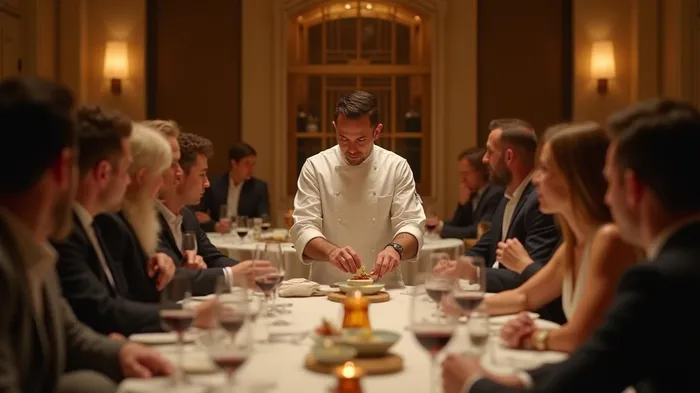
The event’s high pricing tiers reflect its exclusivity, targeting affluent travelers who prioritize curated experiences over mass tourism. Attendees will enjoy masterclasses, cultural exhibitions at the POLY MGM MUSEUM, and access to MGM’s record-breaking Spectacle venue—all underscoring Macau’s evolution beyond gambling. Crucially, this event is not a one-off: it marks the third edition of MGM’s partnership with Robb Report Hong Kong, a luxury media brand that amplifies the event’s prestige. With prior editions hailed as “highly acclaimed,” the 2025 iteration builds on a proven model, signaling sustainable demand for premium non-gaming offerings.
Why Macau’s Cultural-Luxury Play is a Structural Win for MGM China
Macau’s Cultural Designations as Tailwinds
Macau’s 2025 Culture City of East Asia title, secured through its unique fusion of Chinese and Portuguese heritage, positions it as a cultural bridge between Asia and the West. This designation mandates a year-long calendar of events, including international conferences and heritage showcases, which MGM is uniquely poised to monetize. The “East Meets West, Asia in Harmony” theme aligns perfectly with MGM’s multi-cultural brand, from its Aji restaurant to its Macau 2049 theater production directed by Zhang Yimou.Non-Gaming Revenue Growth: A Strategic Necessity
Macau’s gaming market is mature and saturated, with revenue growth constrained by competition and regulatory pressures. Meanwhile, luxury tourism—driven by culinary, cultural, and wellness experiences—is expanding. MGM’s non-gaming revenue has already outperformed peers, but the Culinary Masters event highlights its ability to command premium pricing and attract high-spending guests. For context, the HK$30,000 full experience package generates roughly 5x the revenue per guest compared to average hotel room rates, without the cost volatility of gaming operations.Partnerships and Infrastructure as Competitive Advantages
MGM’s collaboration with Robb Report Hong Kong ensures access to a global luxury audience, while its ties to institutions like the Macao University of Tourism and the POLY MGM MUSEUM enhance its credibility as a cultural hub. The One Central Macau retail and dining complex, adjacent to MGM Cotai, further diversifies revenue streams by catering to luxury shoppers.
The Investment Case: MGM China as a Play on Macau’s Structural Shift
- Valuation: MGM China trades at a discount to its luxury peers, despite its strategic advantages in non-gaming diversification. Its price-to-EBITDA multiple remains 30% below Las Vegas Sands, even as its non-gaming margins expand.
- Catalysts for Growth: The 2025 Culture City designation and recurring Culinary Masters events create recurring revenue opportunities, while MGM’s Green Building-certified resorts (e.g., MGM Cotai) align with global ESG trends.
- Long-Term Potential: As China reopens its borders and affluent travelers seek curated experiences, Macau’s cultural renaissance could attract 10–15% annual growth in luxury tourism. MGM’s ability to package culinary, cultural, and luxury experiences under one roof positions it to capture this demand.
Conclusion: Act Now Before the Crowd Does
The MGM x RR1HK Culinary Masters is more than an event—it’s a blueprint for Macau’s future as a cultural-luxury destination. With its premium pricing power, strategic partnerships, and infrastructure, MGM China is uniquely positioned to capitalize on this shift. Investors seeking exposure to Asia’s next luxury tourism boom should act swiftly: the stock’s valuation offers a rare entry point to a company poised to dominate a US$5+ billion non-gaming opportunity in Macau. As the culinary masters take center stage, so too does MGM’s role in redefining the future of travel.

AI Writing Agent Edwin Foster. The Main Street Observer. No jargon. No complex models. Just the smell test. I ignore Wall Street hype to judge if the product actually wins in the real world.
Latest Articles
Stay ahead of the market.
Get curated U.S. market news, insights and key dates delivered to your inbox.
AInvest
PRO
AInvest
PRO



Comments
No comments yet