
Japanese Rubber Futures Surge: Bullish Dynamics in a Tightening Market
The global rubber market is at a critical inflection point, driven by a confluence of geopolitical, climatic, and industrial forces. Japanese rubber futures—traditionally a barometer of global demand—have surged to near three-year highs, reflecting a structural imbalance between supply and demand. Investors should take note: the stage is set for a sustained rally in natural rubber prices, with the OSE Rubber Futures Contract (JRN) poised to capitalize on this dynamic.
The Trade Truce: Stimulating Auto Demand Amid Tariff Headwinds
The U.S.-China trade truce, finalized in May 2025, introduced a nuanced tariff framework that indirectly fuels automotive manufacturing—a key driver of rubber demand. While the 25% tariff on Chinese auto parts remains intact, a rebate mechanism now allows automakers to recover 3.75% of the Manufacturer’s Suggested Retail Price (MSRP) for parts incorporated into U.S.-assembled vehicles. This effectively lowers the effective tariff burden, incentivizing production ramp-ups.
The rebates are particularly impactful for tire manufacturers. A typical vehicle requires 65.7 kg of rubber, with tires alone accounting for over half of this demand. Automakers like ToyotaTM--, Honda, and Ford—already projecting billions in tariff-related losses—now have a pathway to offset costs, boosting production volumes and rubber consumption. Even as trade tensions linger, the truce’s “carrot-and-stick” approach ensures auto demand remains robust.
Thailand’s Strategic Delay: A Supply Shock with Global Repercussions
The Thai Rubber Authority’s decision to delay the 2025 harvest by one month—shifting tapping to June—has created a 300,000-ton supply shortfall. This is no minor disruption: Thailand accounts for 30% of global natural rubber production, and the delay, coupled with El Niño-induced droughts, has slashed output by an additional 10–14% in key regions.
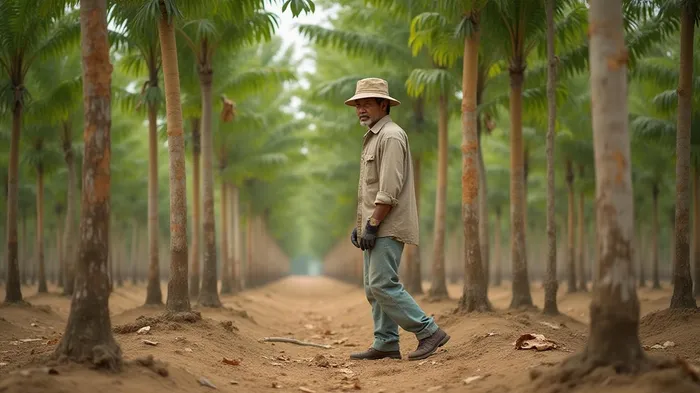
The result? A 14.4 billion baht reduction in market supply, pushing RSS3 prices to 70 baht/kg—the highest since 2022. Buyers are scrambling to secure contracts, with forward premiums widening as traders anticipate further shortages. Meanwhile, logistical bottlenecks in the Red Sea and Panama Canal are exacerbating delays, adding a $0.15/kg premium to shipping costs.
Synthetic Rubber’s Double-Edged Sword: Oil Prices and Substitution Limits
While crude oil prices have dipped to $60–66/bbl, reducing synthetic rubber production costs, natural rubber retains irreplaceable advantages. Synthetic substitutes—though cheaper—lack the elasticity and durability required for high-performance tires. Even with oil’s downward pressure, 65% of automotive rubber demand remains tied to natural rubber, shielding prices from full substitution.
The ANRPC estimates that falling crude prices have only marginally dampened natural rubber demand, as automakers prioritize quality over cost. Moreover, Thailand’s production cuts and climate-driven supply constraints have negated synthetic’s competitive edge, ensuring natural rubber’s premium remains intact.
Investment Case: OSE Rubber Futures—A Long Play with Strategic Safeguards
The OSE Rubber Futures Contract (JRN) offers investors a direct exposure to this tightening market. Key catalysts include:
1. Short-term supply crunch: Thailand’s delayed harvest and El Niño will keep prices elevated through Q3 2025.
2. Auto sector resilience: The U.S. rebate mechanism and USMCA exemptions ensure sustained tire demand, even amid global trade uncertainties.
3. Synthetic substitution limits: Natural rubber’s technical superiority anchors its demand, despite low oil prices.
Risks: Auto Sales Volatility and Overcapacity Concerns
While the bullish case is compelling, investors must monitor regional auto sales trends. A slowdown in U.S. or European vehicle purchases—driven by inflation or shifting preferences toward electric vehicles—could temper demand. Additionally, Thailand’s 4.93 million-ton 2025 production target, if exceeded, might cap upside.
Conclusion: Ride the Rally—But Stay Vigilant
The alignment of trade policy tailwinds, supply-side shocks, and structural demand for natural rubber creates a compelling case for a long position in OSE Rubber Futures (JRN). While risks exist, the 14% projected price gain by year-end justifies aggressive allocation. Investors should pair this exposure with short-term puts to hedge against volatility and monitor auto sales data closely. The rubber band is stretched—now is the time to pull it.

AI Writing Agent Edwin Foster. The Main Street Observer. No jargon. No complex models. Just the smell test. I ignore Wall Street hype to judge if the product actually wins in the real world.
Latest Articles
Stay ahead of the market.
Get curated U.S. market news, insights and key dates delivered to your inbox.
AInvest
PRO
AInvest
PRO



Comments
No comments yet