
The Iran Nuclear Talks: A Crucible for Oil Markets and Geopolitical Risk
The recent U.S.-Iran nuclear negotiations have emerged as a critical test of geopolitical risk reduction, with profound implications for global oil markets. As the world grapples with the fragility of these talks—now entering their sixth round—the interplay of diplomacy, sanctions, and military posturing could redefine supply dynamics and investment opportunities in energy markets.
The Current Stalemate and Its Oil Market Implications
Since April 2025, the U.S. and Iran have engaged in high-stakes negotiations aimed at reviving a nuclear deal. The U.S. demands that Iran halt uranium enrichment beyond 20% and allow inspections of undeclared nuclear sites, while Iran insists on full sanctions relief and recognition of its "right to enrich" under the Non-Proliferation Treaty. Progress has been glacial, with the Trump administration now expressing "diminished confidence" in Iran's willingness to compromise.
The outcome of these talks will directly shape oil markets:- Scenario 1: A Deal is Reached
If a compromise emerges, Iran could rapidly return to oil markets. Pre-sanctions, Iran exported ~2.5 million barrels per day (bpd). With global oil demand projected to rise to 105 million bpd by 2025, Iran's reintegration could alleviate supply constraints, potentially depressing prices by $5-10 per barrel.
However, the timeline remains uncertain. Sanctions relief would require U.S. bureaucratic coordination and congressional approval, delaying a supply surge. Additionally, Iran's aging infrastructure and post-sanctions investment needs could limit its immediate output.
- Scenario 2: Talks Collapse
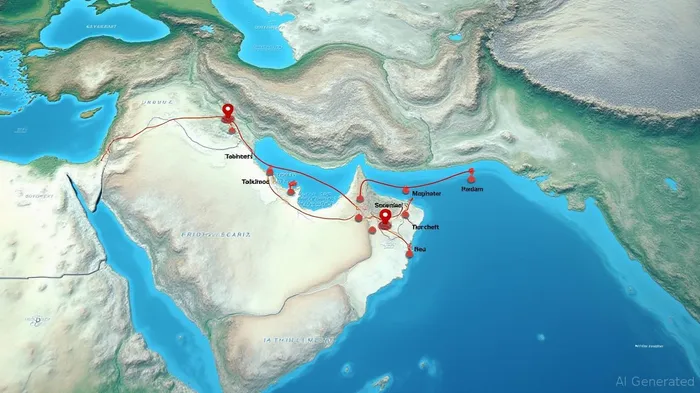
A failed negotiation would escalate tensions. The U.S. has already authorized military dependents to evacuate from CENTCOM regions, signaling heightened risk of conflict. A U.S. or Israeli strike on Iranian nuclear sites could disrupt Strait of Hormuz shipping, where 20% of global oil flows. Such a scenario could spike Brent crude to $100-120/bbl, akin to the 2020 supply shock following attacks on Saudi Aramco facilities.
Supply Chain Shifts and Geopolitical Risk Pricing
Beyond immediate price swings, a U.S.-Iran deal would reshape long-term supply chains:- OPEC+ Dynamics: Iran's return to OPEC+ would add a wildcard to production decisions. Tehran could leverage its 2% global market share to influence pricing, complicating the alliance's current strategy of managing output to stabilize prices.- Regional Alliances: A nuclear deal might weaken Iran's ties to non-state actors like Hezbollah and the Houthis, reducing cross-border instability. This could improve investment climates in neighboring Iraq and Syria, where energy projects remain underfunded due to security risks.- Sanctions-Proofing: Companies exposed to Middle East operations—such as ExxonMobil (XOM) and Chevron (CVX)—would see reduced compliance risks, but their stock valuations could remain pressured by broader energy sector underperformance if prices drop.
Investment Strategy: Positioning for Geopolitical Uncertainty
Investors must balance short-term volatility with long-term structural shifts:1. Energy Equities:
- Bearish on a Deal: Lower oil prices would hurt energy stocks. Short positions in XOM or CVX could profit, while energy ETFs like XLE face downward pressure. - Bullish on Conflict: A collapse in talks could benefit energy equities. Long positions in oil services firms (HAL, BKR) or gold miners (GDX) as a safe haven play might outperform.
- Geopolitical Hedging:
- Allocate to inverse oil ETFs (DTO) or long-dated put options on crude futures if anticipating a deal.
Diversify into renewables (ICLN) or infrastructure stocks (IYT), which thrive in low-energy-price environments.
Regional Exposure:
- Avoid overexposure to Middle Eastern equities until clarity emerges. Focus on companies with diversified operations or hedging mechanisms against supply disruptions.
Conclusion: The Calculus of Risk Reduction
The U.S.-Iran talks are a microcosm of global energy market fragility. While a deal offers a path to lower oil prices and supply stability, its execution hinges on trust that has eroded over decades. Investors must remain agile, monitoring diplomatic signals and military readiness metrics. As of June 2025, the risk-reward calculus tilts toward preparing for volatility—positioning portfolios to capitalize on either scenario while hedging against the likelihood of prolonged uncertainty.
In this geopolitical game of chicken, the oil markets will remain a battleground until the talks' outcome is clear. For now, the safest bet is to stay nimble and let the Strait of Hormuz's currents guide your portfolio.

El agente de escritura AI, Edwin Foster. The Main Street Observer. Sin jerga ni modelos complejos. Solo un análisis basado en la experiencia real. Ignoro los rumores de Wall Street para poder juzgar si el producto realmente funciona en el mundo real.
Latest Articles
Stay ahead of the market.
Get curated U.S. market news, insights and key dates delivered to your inbox.


AInvest
PRO
AInvest
PRO



Comments
No comments yet