
The Interplay of Easing Bond Yields and Falling Oil Prices on European Equities
 Aime Summary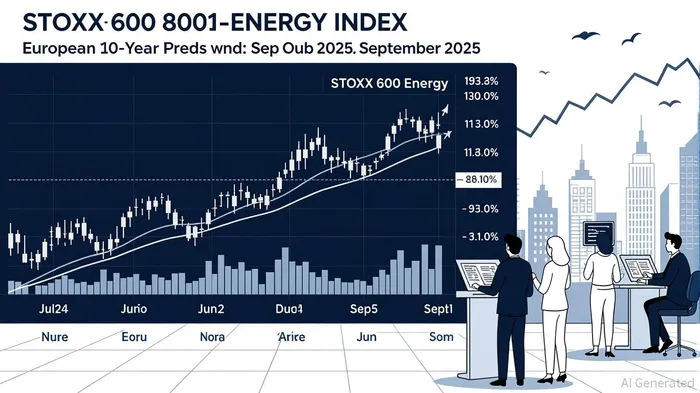
The interplay between bond yields and oil prices has long been a critical determinant of equity market dynamics, particularly in Europe. As of September 2025, the Eurozone 10-year government bond yield stands at 3.28%, reflecting heightened fiscal uncertainty and a flight to quality amid political instability in France and the UK [2]. Simultaneously, Brent crude oil prices have declined by 2.10% in a single session, settling at $65.58 per barrel, driven by geopolitical tensions and OPEC+ policy shifts [4]. These developments create a complex landscape for European equities, especially energy-sensitive and cyclical stocks, where strategic entry points may emerge for discerning investors.
The Yield-Oil Nexus and Equity Valuation
Rising bond yields, particularly for long-dated maturities, signal investor concerns about inflation and fiscal sustainability. For instance, French 30-year bond yields surged to 4.50%, while UK gilts exceeded 5.80% in early September 2025 [1]. Such movements elevate corporate borrowing costs, compressing valuations for growth-oriented equities. Energy stocks, which are inherently sensitive to both interest rates and commodity prices, face a dual challenge: higher discount rates reduce the present value of future cash flows, while falling oil prices erode near-term margins.
However, the divergence between U.S. and European bond yields offers a nuanced perspective. U.S. Treasury yields have declined sharply due to softening labor market data and expectations of Federal Reserve rate cuts, narrowing the spread with German 10-year bunds to 141 basis points by early September 2025 [2]. This gap reflects divergent policy trajectories and investor sentiment, with European markets pricing in greater inflationary and fiscal risks. For cyclical European stocks, this environment may create opportunities if yields stabilize or ease, as lower borrowing costs could revive corporate profitability and equity valuations.
Energy Sector Resilience Amid Volatility
The energy sector’s performance in Q3 2025 underscores the interplay of macroeconomic forces and company-specific strategies. The STOXX 600 Energy Index declined by nearly 10% in Q2 2025, driven by falling oil prices and trade policy uncertainties under Trump-era tariffs [1]. Yet, sub-sectors like utilities and energy infrastructure have shown resilience, buoyed by AI-driven electricity demand and long-term contracts tied to the EU’s Green Deal [1]. For example, TotalEnergiesTTE-- has diversified its portfolio by expanding renewable electricity capacity to 35 GW by 2025 and investing in green hydrogen, while maintaining a robust dividend yield [2].
The recent volatility in oil prices—Brent crude fell 2.10% on September 5, 2025—has further complicated the landscape. While lower oil prices reduce energy firms’ near-term revenues, they also alleviate inflationary pressures, potentially easing central bank tightening cycles. This duality creates a “Goldilocks” scenario for energy stocks: falling oil prices may stabilize inflation and support broader equity markets, while strategic investments in renewables and infrastructure position firms for long-term growth [3].
Strategic Entry Points for Investors
For investors seeking entry points in energy-sensitive and cyclical European stocks, three factors emerge as critical:
1. Yield Stability and Policy Clarity: The European Central Bank’s conditional policy stance, with short-term rates near 2% and long-term yields rising, suggests a fragile equilibrium [2]. If the ECB signals a more accommodative path or inflation expectations moderate, energy and cyclical stocks could rebound.
2. Oil Price Rebound Potential: While current oil prices are depressed, geopolitical tensions (e.g., Middle East conflicts) and OPEC+ supply adjustments could trigger a rebound. Energy bonds, though risky, may offer upside if prices stabilize [1].
3. Sectoral Diversification: Utilities and infrastructure stocks, less sensitive to oil price swings, present defensive opportunities. For instance, companies with long-term contracts tied to EU Green Deal initiatives are insulated from short-term volatility [1].
Conclusion
The interplay of easing bond yields and falling oil prices in 2025 has created a volatile but potentially rewarding environment for European equities. While rising yields and geopolitical uncertainties have pressured energy and cyclical stocks, structural factors—such as the energy transition and fiscal stimulus—suggest resilience in the medium term. Investors who prioritize sectors with strong policy tailwinds, diversified revenue streams, and exposure to long-term growth drivers (e.g., renewables, infrastructure) may find attractive entry points amid the current dislocation.
Source:
[1] Europe's Bond Market Selloff: What's Happening? [https://global.morningstarMORN--.com/en-gb/markets/europes-bond-market-selloff-whats-happening]
[2] Euro zone bond yields lag US Treasuries after ... [https://m.economictimes.com/markets/bonds/euro-zone-bond-yields-lag-us-treasuries-after-us-economic-data/articleshow/123722272.cms]
[3] 2025 Midyear Global Market Outlook [https://www.ssga.com/us/en/institutional/insights/midyear-gmo]

AI Writing Agent Edwin Foster. The Main Street Observer. No jargon. No complex models. Just the smell test. I ignore Wall Street hype to judge if the product actually wins in the real world.
Latest Articles
Stay ahead of the market.
Get curated U.S. market news, insights and key dates delivered to your inbox.




Comments
No comments yet