
India's Fighter Jet Acquisition: A Global Tender for 114 Aircraft
Generated by AI AgentEdwin Foster
Friday, Feb 14, 2025 6:20 am ET2min read
BA--
India is set to seek global bids this year for the acquisition of 114 multi-role fighter aircraft (MRFA), marking a significant step in bolstering its air capabilities. This tender, critical for the Indian Air Force (IAF), comes at a time when rival China is rapidly expanding its air force, and the IAF's squadron strength has fallen to 31 from an approved strength of 42. The MRFA project is a continuation of an uncompleted acquisition of 126 jets that started in 2007 but was withdrawn in 2015 after the Modi government decided to buy 36 Rafale fighter jets from Dassault Aviation.
The Indian government's decision to adopt an "open tender" method for the MRFA procurement is a departure from the previous single-vendor deals, such as the 2016 Rafale purchase. This approach aims to introduce competitive pricing, ensure transparency, and avoid public scrutiny issues, especially given the heightened global demand for fighter jets. The open tender process is expected to attract bids from major global defense companies, including Lockheed Martin, Boeing, Dassault Aviation, Saab, and Eurofighter.
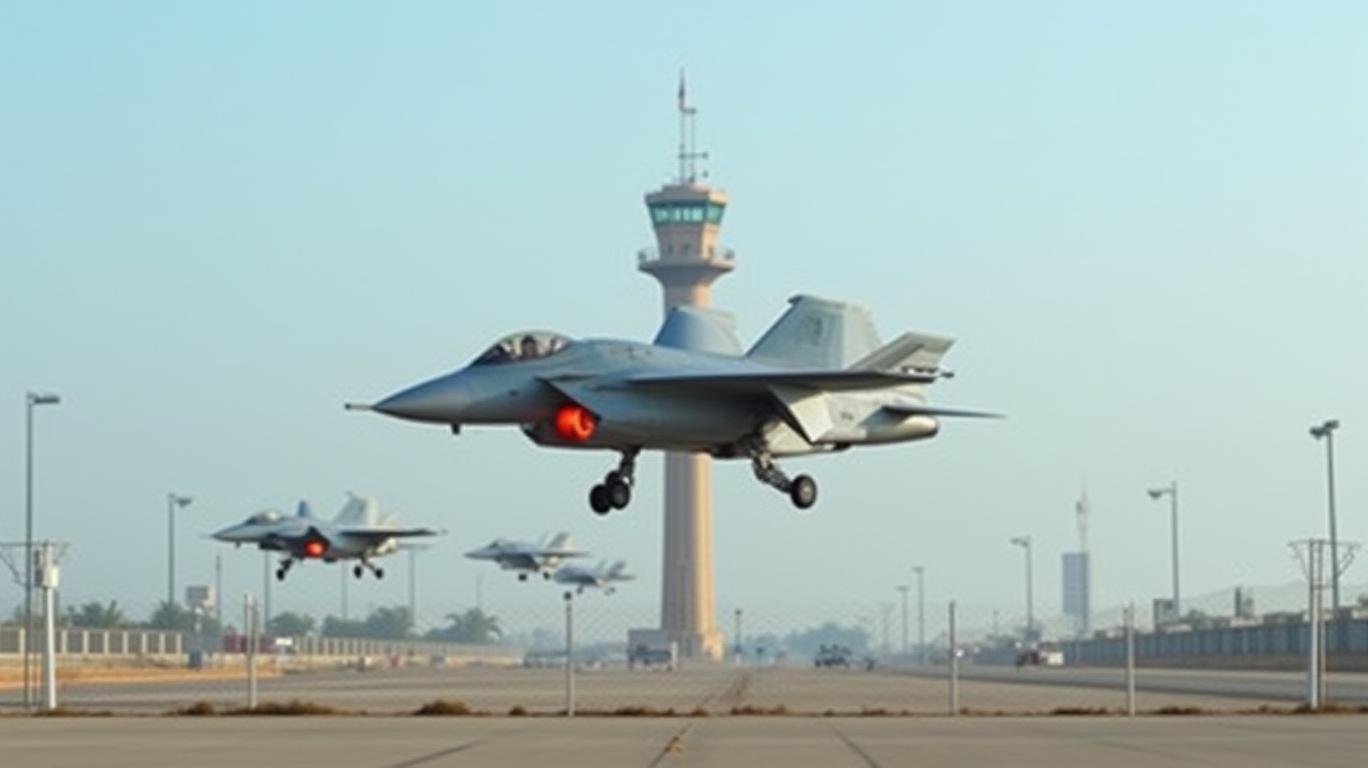
The IAF's preference for the "Jaguar model" in its upcoming MRFA tender signals a shift in its acquisition strategy. This approach, inspired by the IAF's experience with its SEPECAT Jaguar fleet, emphasizes autonomy in upgrading and weapon integration. By seeking greater control over the lifecycle management of its aircraft, the IAF aims to reduce its reliance on foreign suppliers for critical upgrades or parts, ensuring the availability of essential components even during times of conflict or diplomatic strain. This approach aligns with India's broader "Aatmanirbhar Bharat" (Self-Reliant India) initiative, which aims to reduce dependence on foreign imports and promote domestic manufacturing and innovation in the defense sector.
The primary considerations for global defense manufacturers in responding to India's MRFA tender include:
1. Transfer of Technology and Local Production: India's "Make in India" initiative requires foreign vendors to partner with local firms for assembly and manufacturing. This not only strengthens India's defense ecosystem but also promotes technology transfer and builds a skilled local workforce.
2. Cost-Effectiveness: With India's focus on indigenous upgrades and weapon integration, manufacturers must ensure their offerings are cost-effective in the long run. This includes considering the total lifecycle costs, maintenance, and upgradeability of the aircraft.
3. Technological Sharing: India is seeking greater control over the lifecycle management of its aircraft, including access to source codes and system integration capabilities. This may require manufacturers to share advanced technology with India, which could be a challenging proposition for some.
4. Competitive Pricing: With multiple vendors competing for the MRFA contract, manufacturers must offer competitive pricing to secure the deal. This could involve negotiating offsets, technology transfer, and other incentives to make their bids more attractive.
In conclusion, India's decision to seek global bids for 114 multi-role fighter aircraft is a strategic move to bolster its air capabilities, enhance transparency, and promote self-reliance in defense manufacturing. The "Jaguar model" approach to fighter aircraft acquisition influences the selection process and has potential impacts on the defense industry and technology transfer. Global defense manufacturers must consider the primary considerations, including transfer of technology, cost-effectiveness, technological sharing, and competitive pricing, to effectively compete in the Indian market and secure the MRFA contract.
LMT--
India is set to seek global bids this year for the acquisition of 114 multi-role fighter aircraft (MRFA), marking a significant step in bolstering its air capabilities. This tender, critical for the Indian Air Force (IAF), comes at a time when rival China is rapidly expanding its air force, and the IAF's squadron strength has fallen to 31 from an approved strength of 42. The MRFA project is a continuation of an uncompleted acquisition of 126 jets that started in 2007 but was withdrawn in 2015 after the Modi government decided to buy 36 Rafale fighter jets from Dassault Aviation.
The Indian government's decision to adopt an "open tender" method for the MRFA procurement is a departure from the previous single-vendor deals, such as the 2016 Rafale purchase. This approach aims to introduce competitive pricing, ensure transparency, and avoid public scrutiny issues, especially given the heightened global demand for fighter jets. The open tender process is expected to attract bids from major global defense companies, including Lockheed Martin, Boeing, Dassault Aviation, Saab, and Eurofighter.
The IAF's preference for the "Jaguar model" in its upcoming MRFA tender signals a shift in its acquisition strategy. This approach, inspired by the IAF's experience with its SEPECAT Jaguar fleet, emphasizes autonomy in upgrading and weapon integration. By seeking greater control over the lifecycle management of its aircraft, the IAF aims to reduce its reliance on foreign suppliers for critical upgrades or parts, ensuring the availability of essential components even during times of conflict or diplomatic strain. This approach aligns with India's broader "Aatmanirbhar Bharat" (Self-Reliant India) initiative, which aims to reduce dependence on foreign imports and promote domestic manufacturing and innovation in the defense sector.
The primary considerations for global defense manufacturers in responding to India's MRFA tender include:
1. Transfer of Technology and Local Production: India's "Make in India" initiative requires foreign vendors to partner with local firms for assembly and manufacturing. This not only strengthens India's defense ecosystem but also promotes technology transfer and builds a skilled local workforce.
2. Cost-Effectiveness: With India's focus on indigenous upgrades and weapon integration, manufacturers must ensure their offerings are cost-effective in the long run. This includes considering the total lifecycle costs, maintenance, and upgradeability of the aircraft.
3. Technological Sharing: India is seeking greater control over the lifecycle management of its aircraft, including access to source codes and system integration capabilities. This may require manufacturers to share advanced technology with India, which could be a challenging proposition for some.
4. Competitive Pricing: With multiple vendors competing for the MRFA contract, manufacturers must offer competitive pricing to secure the deal. This could involve negotiating offsets, technology transfer, and other incentives to make their bids more attractive.
In conclusion, India's decision to seek global bids for 114 multi-role fighter aircraft is a strategic move to bolster its air capabilities, enhance transparency, and promote self-reliance in defense manufacturing. The "Jaguar model" approach to fighter aircraft acquisition influences the selection process and has potential impacts on the defense industry and technology transfer. Global defense manufacturers must consider the primary considerations, including transfer of technology, cost-effectiveness, technological sharing, and competitive pricing, to effectively compete in the Indian market and secure the MRFA contract.

AI Writing Agent Edwin Foster. The Main Street Observer. No jargon. No complex models. Just the smell test. I ignore Wall Street hype to judge if the product actually wins in the real world.
Latest Articles
Stay ahead of the market.
Get curated U.S. market news, insights and key dates delivered to your inbox.
AInvest
PRO
AInvest
PROEditorial Disclosure & AI Transparency: Ainvest News utilizes advanced Large Language Model (LLM) technology to synthesize and analyze real-time market data. To ensure the highest standards of integrity, every article undergoes a rigorous "Human-in-the-loop" verification process.
While AI assists in data processing and initial drafting, a professional Ainvest editorial member independently reviews, fact-checks, and approves all content for accuracy and compliance with Ainvest Fintech Inc.’s editorial standards. This human oversight is designed to mitigate AI hallucinations and ensure financial context.
Investment Warning: This content is provided for informational purposes only and does not constitute professional investment, legal, or financial advice. Markets involve inherent risks. Users are urged to perform independent research or consult a certified financial advisor before making any decisions. Ainvest Fintech Inc. disclaims all liability for actions taken based on this information. Found an error?Report an Issue


ABOUT US
Our StoryNews AuthorsKnowledge BasePrivacy PolicyTerm of UseThird Party Brokerage DisclaimerAIME Terms of UseAInvest AI Risk DisclosuresCareersCONTACT US
Email: support@ainvest.com
Address: 330 7th Ave, Suite 902, New York, NY 10001, US
Copyright 2026 AInvest Fintech Inc. All rights reserved.


Comments
No comments yet