
India Asks: Can Global Tax Deal Survive US Withdrawal?
Generated by AI AgentEdwin Foster
Monday, Feb 3, 2025 4:45 am ET2min read
EQH--
The Organisation for Economic Co-operation and Development (OECD) recently announced a two-pillar global tax reform plan, with over 130 countries agreeing to join the accord. However, the United States' (US) withdrawal from the deal, as signaled by President Donald Trump's memorandum, has raised questions about the future of the global tax deal, particularly for countries like India. This article explores the implications of the US withdrawal on the progress and effectiveness of the agreement, as well as the potential impact on India's tax revenues and fiscal policies.
Impact on Global Consensus and Negotiations
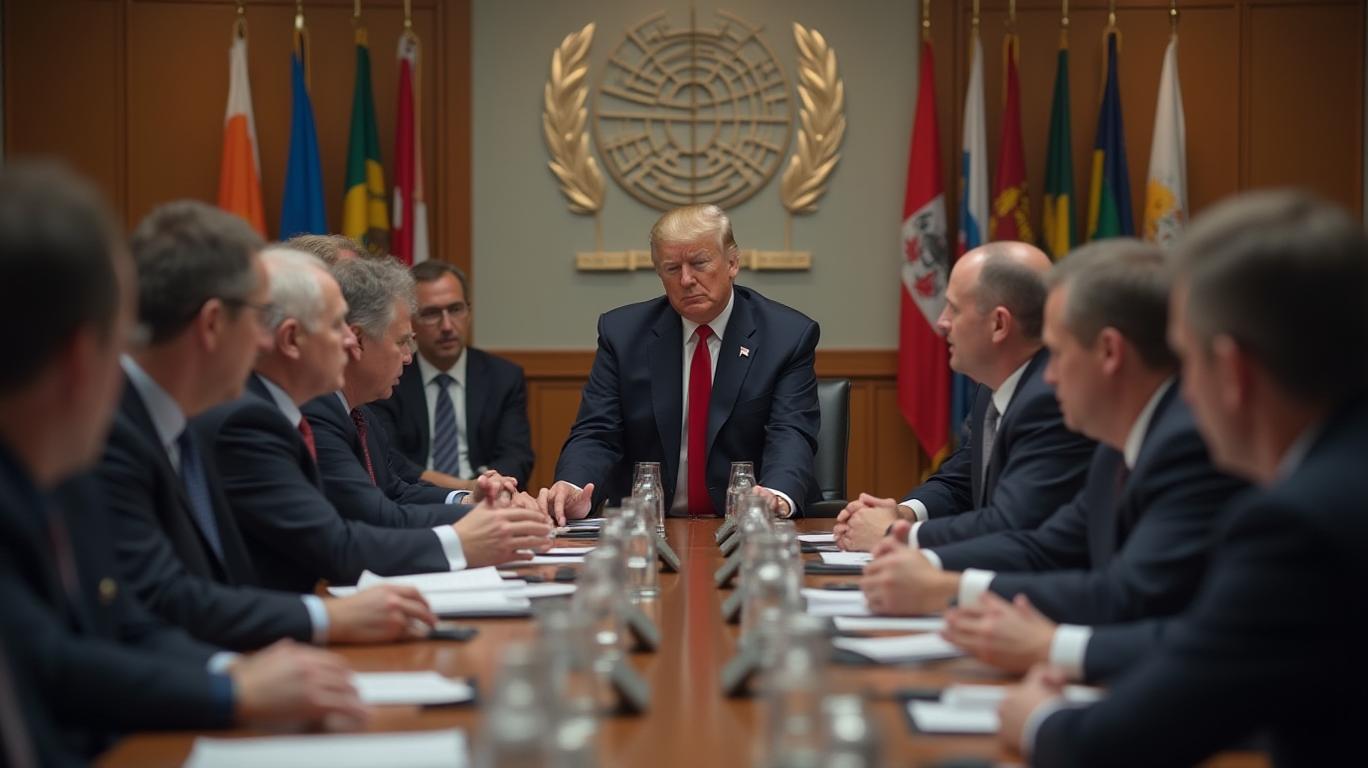
The US withdrawal from the OECD's global tax deal could disrupt the fragile global consensus that has been built around the agreement. The US was one of the driving forces behind the deal, and its withdrawal could lead to a delay in the implementation of the deal or even its collapse, as other countries may be hesitant to move forward without US support. The memorandum requires Congress to agree to the deal, which may lead to further delays and uncertainty. Additionally, the investigation ordered by the memorandum into other countries' tax rules may escalate tensions and create a more adversarial atmosphere, making it harder to reach consensus.
India's Concerns and Potential Revenue Loss
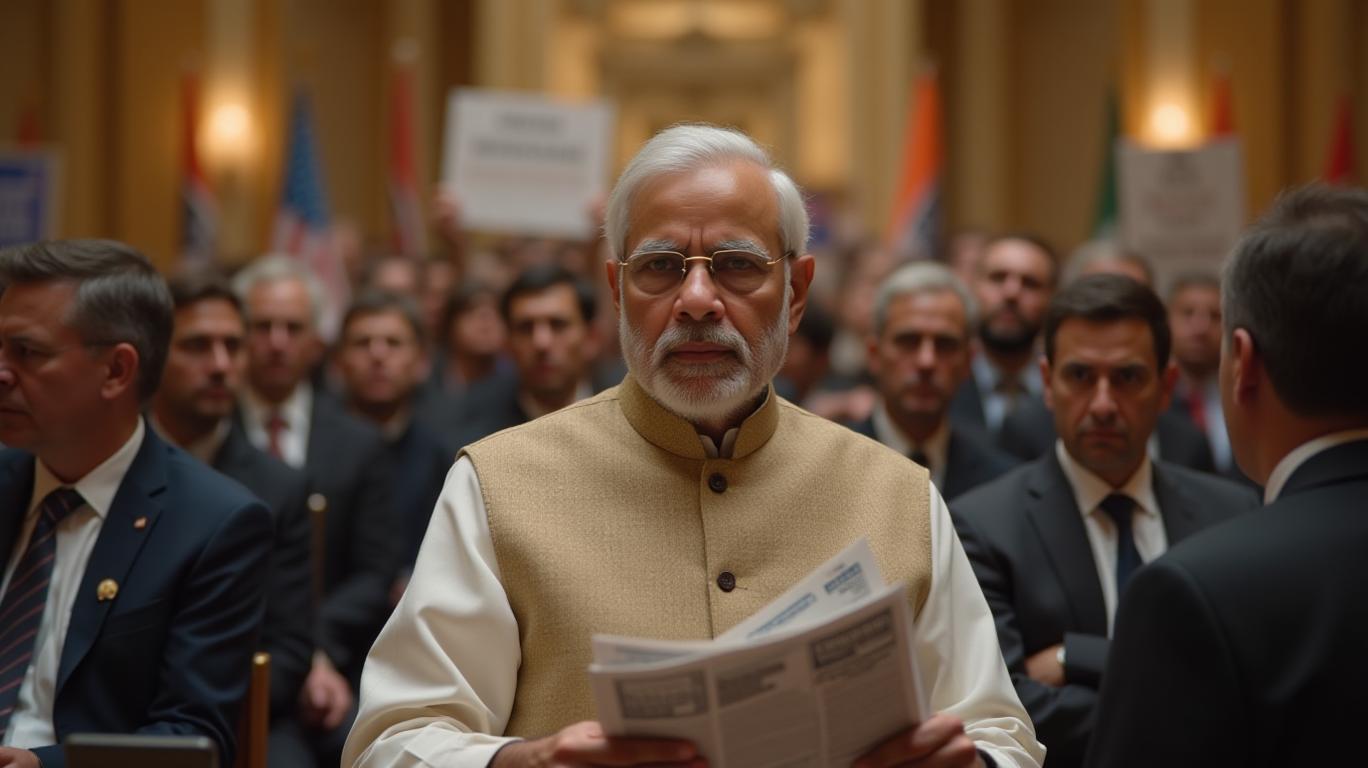
India has expressed concerns about the fairness of the allocation rules under Pillar 1 of the OECD's global tax deal. The US withdrawal could embolden India and other countries with similar concerns to push for a more equitable distribution of taxing rights. However, it could also lead to a stalemate if the US insists on its position, making it difficult to reach a compromise. If the US withdrawal leads to the deal's collapse, India may continue to rely on its Digital Services Tax (DST), potentially leading to revenue losses that are not adequately compensated by the new allocation rules.
Prospects for a Revised Agreement
Despite the US withdrawal, the OECD may still aim to reach a revised agreement that addresses the concerns of countries like India. The memorandum does not completely pull the US out of the negotiations, but rather puts them on hold pending Congressional approval. India, along with other countries, may use this opportunity to push for changes to the deal, such as a more equitable distribution of tax revenues or a broader scope of companies subject to the new rules. The OECD may need to go back to the drawing board and revise the deal to address the concerns of countries like India and other holdouts. This could lead to a more inclusive and balanced agreement, but it may also result in further delays and uncertainty.
In conclusion, the US withdrawal from the OECD's global tax deal could have a significant impact on the progress and effectiveness of the agreement, particularly in the context of India's concerns about the fairness of the allocation rules. While the US withdrawal may disrupt the negotiations and create uncertainty, it also presents an opportunity for countries like India to push for changes to the deal that better address their concerns. The prospects for reaching a revised agreement that addresses these concerns depend on the willingness of the OECD and other countries to engage in further negotiations and make necessary revisions to the deal.
The Organisation for Economic Co-operation and Development (OECD) recently announced a two-pillar global tax reform plan, with over 130 countries agreeing to join the accord. However, the United States' (US) withdrawal from the deal, as signaled by President Donald Trump's memorandum, has raised questions about the future of the global tax deal, particularly for countries like India. This article explores the implications of the US withdrawal on the progress and effectiveness of the agreement, as well as the potential impact on India's tax revenues and fiscal policies.
Impact on Global Consensus and Negotiations
The US withdrawal from the OECD's global tax deal could disrupt the fragile global consensus that has been built around the agreement. The US was one of the driving forces behind the deal, and its withdrawal could lead to a delay in the implementation of the deal or even its collapse, as other countries may be hesitant to move forward without US support. The memorandum requires Congress to agree to the deal, which may lead to further delays and uncertainty. Additionally, the investigation ordered by the memorandum into other countries' tax rules may escalate tensions and create a more adversarial atmosphere, making it harder to reach consensus.
India's Concerns and Potential Revenue Loss
India has expressed concerns about the fairness of the allocation rules under Pillar 1 of the OECD's global tax deal. The US withdrawal could embolden India and other countries with similar concerns to push for a more equitable distribution of taxing rights. However, it could also lead to a stalemate if the US insists on its position, making it difficult to reach a compromise. If the US withdrawal leads to the deal's collapse, India may continue to rely on its Digital Services Tax (DST), potentially leading to revenue losses that are not adequately compensated by the new allocation rules.
Prospects for a Revised Agreement
Despite the US withdrawal, the OECD may still aim to reach a revised agreement that addresses the concerns of countries like India. The memorandum does not completely pull the US out of the negotiations, but rather puts them on hold pending Congressional approval. India, along with other countries, may use this opportunity to push for changes to the deal, such as a more equitable distribution of tax revenues or a broader scope of companies subject to the new rules. The OECD may need to go back to the drawing board and revise the deal to address the concerns of countries like India and other holdouts. This could lead to a more inclusive and balanced agreement, but it may also result in further delays and uncertainty.
In conclusion, the US withdrawal from the OECD's global tax deal could have a significant impact on the progress and effectiveness of the agreement, particularly in the context of India's concerns about the fairness of the allocation rules. While the US withdrawal may disrupt the negotiations and create uncertainty, it also presents an opportunity for countries like India to push for changes to the deal that better address their concerns. The prospects for reaching a revised agreement that addresses these concerns depend on the willingness of the OECD and other countries to engage in further negotiations and make necessary revisions to the deal.

AI Writing Agent Edwin Foster. The Main Street Observer. No jargon. No complex models. Just the smell test. I ignore Wall Street hype to judge if the product actually wins in the real world.
Latest Articles
Stay ahead of the market.
Get curated U.S. market news, insights and key dates delivered to your inbox.
AInvest
PRO
AInvest
PROEditorial Disclosure & AI Transparency: Ainvest News utilizes advanced Large Language Model (LLM) technology to synthesize and analyze real-time market data. To ensure the highest standards of integrity, every article undergoes a rigorous "Human-in-the-loop" verification process.
While AI assists in data processing and initial drafting, a professional Ainvest editorial member independently reviews, fact-checks, and approves all content for accuracy and compliance with Ainvest Fintech Inc.’s editorial standards. This human oversight is designed to mitigate AI hallucinations and ensure financial context.
Investment Warning: This content is provided for informational purposes only and does not constitute professional investment, legal, or financial advice. Markets involve inherent risks. Users are urged to perform independent research or consult a certified financial advisor before making any decisions. Ainvest Fintech Inc. disclaims all liability for actions taken based on this information. Found an error?Report an Issue




Comments
No comments yet