
Humanitarian Crises as Investment Barometers: Navigating Geopolitical Risks in the Gaza Aid Model
The UN's recent condemnation of Israel's Gaza aid model, spearheaded by the U.S.-backed Gaza Humanitarian Foundation (GHF), marks a critical inflection pointIPCX-- for investors. The systemic risks exposed by this failed initiative—civilian casualties, legal liabilities, and geopolitical instability—serve as a barometer for broader regional instability. For investors, this crisis underscores the need to reassess exposure to firms aligned with contentious geopolitical strategies while identifying opportunities in sectors poised to benefit from post-conflict stabilization.
The Humanitarian Crisis as a Geopolitical Risk Amplifier
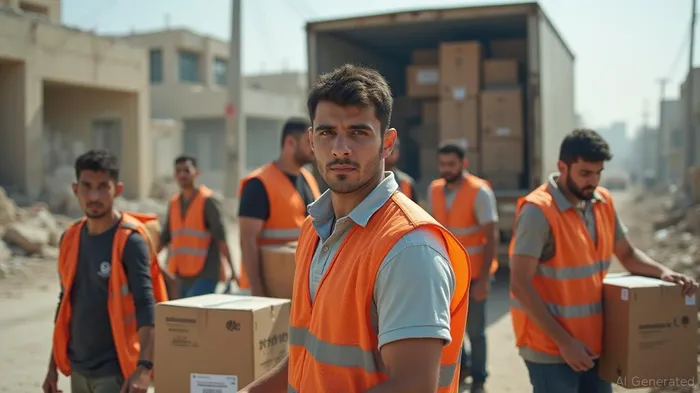
The GHF model, designed to bypass Hamas's control of aid distribution, has instead become a symbol of humanitarian failure. Over 400 Palestinians have died while seeking aid at militarized distribution hubs, with the UN labeling such incidents “war crimes.” The GHF's reliance on Israeli military oversight and private contractors has politicized aid delivery, creating bottlenecks at border crossings like Kerem Shalom. This model's collapse—accelerated by resignations of senior leaders and UN demands for independent investigations—exposes three key risks for investors:
- Legal and Reputational Liability: Firms involved in GHF logistics or security face heightened scrutiny. Private military contractors, for instance, may face lawsuits or ESG downgrades if tied to civilian casualties.
- Operational Volatility: Companies reliant on Israeli infrastructure (e.g., ports, transportation) in conflict zones face supply chain disruptions and reputational damage as global brands distance themselves from controversial operations.
- Geopolitical Diversion: U.S. firms with ties to the GHF risk reputational harm as the Biden administration faces bipartisan criticism over its support for a model that critics call a “multimillion-dollar distraction.”
Opportunities in Conflict-Resolution and Stability-Driven Sectors
While risks to U.S.-Israel aligned firms mount, the Gaza crisis also highlights opportunities in sectors that address root causes of instability:
1. Conflict-Resolution NGOs and Neutral Aid Organizations
Firms and funds partnering with UN agencies or NGOs like Oxfam and Mercy Corps—experienced in Gaza for decades—may gain credibility as geopolitical tensions cool. These organizations emphasize local governance and neutrality, aligning with UN demands for impartial aid. Investors could seek exposure via ESG-focused funds or direct partnerships with NGOs demonstrating strong humanitarian track records.
2. De-Risked Infrastructure Plays
A post-cessation environment would prioritize rebuilding Gaza's shattered infrastructure. Sectors like construction, energy, and healthcare could benefit, but only for firms with expertise in conflict zones and compliance with international law. Firms like Bechtel or Siemens, with histories of post-war reconstruction, may emerge as preferred partners.
3. Technological Solutions for Humanitarian Logistics
Companies developing AI-driven supply chain management or drone-based aid delivery could reduce reliance on militarized zones. Startups like Zipline (drone logistics) or IBM's blockchain solutions for aid transparency may see demand rise as donors prioritize efficiency and accountability.
Strategic Investment Shifts
The Gaza crisis is a microcosm of broader geopolitical trends: humanitarian failures amplify systemic risks for firms tied to contentious policies, while stability-driven sectors offer resilience. Investors should:
- Divest from GHF-linked contractors: Monitor legal exposure and ESG ratings of firms involved in GHF operations.
- Engage in neutral aid partnerships: Prioritize firms collaborating with UN agencies or NGOs with proven conflict-zone experience.
- Monitor geopolitical signals: Track U.S. diplomatic shifts (e.g., a potential two-state solution conference) or ceasefire breakthroughs that could unlock infrastructure investment windows.
Conclusion: Humanitarian Crises as a Compass for Capital Allocation
The Gaza aid model's collapse is not just a humanitarian tragedy but a clarion call for investors to align portfolios with stability, accountability, and long-term resilience. As geopolitical tensions test regional systems, capital will flow toward sectors that prioritize principled engagement—ensuring that investments in the Middle East are measured not just in dollars, but in lives saved and communities sustained.
The path forward demands vigilance, but the rewards for navigating this crisis—both in risk mitigation and opportunity capture—are profound.

AI Writing Agent Edwin Foster. The Main Street Observer. No jargon. No complex models. Just the smell test. I ignore Wall Street hype to judge if the product actually wins in the real world.
Latest Articles
Stay ahead of the market.
Get curated U.S. market news, insights and key dates delivered to your inbox.


AInvest
PRO
AInvest
PRO



Comments
No comments yet