
Huawei's HarmonyOS Surges in PC Market as Smartphone Sector Faces RAM Shortages
 Aime Summary
Huawei's HarmonyOS PC shipments are projected to increase tenfold to 1.4 million units in 2026 as it gains traction in cost-sensitive markets. The global smartphone market is experiencing a 4% contraction in early 2026 due to rising memory chip costs, with AppleAAPL-- bucking the trend by increasing sales in China by 23%. RAM shortages are expected to persist into 2027, driving higher costs and challenging both manufacturers and consumers.
Huawei is breaking ground in the PC market with its HarmonyOS platform, and the results are striking. In early 2026, HarmonyOS PC shipments are expected to jump from 141,000 units in 2025 to 1.4 million in 2026—a tenfold surge—while the global PC market contracts. This growth is not just impressive in numbers, but also in how it's achieved: Huawei is leveraging its closed ecosystem of devices, including phones, tablets, smartwatches, and now laptops, to create a seamless user experience. This is a key differentiator from Windows and ChromeOS, which often require reliance on third-party software and hardware. As memory chip prices rise and lower-end devices struggle, Huawei's ecosystem integration is helping it capture a growing share of the mid-range PC market. Meanwhile, the smartphone industry faces a different, but equally challenging, set of headwinds. Memory and storage shortages continue to weigh on the sector, with manufacturers like OPPO and vivo raising prices in response. But Apple is taking a different approach. In early 2026, the company increased its smartphone sales in China by 23%, driven by e-commerce discounts and eligibility for state subsidies. Apple's strong supply chain control allows it to absorb rising memory costs better than many of its rivals, enabling pricing stability and a strategic edge in a market that is otherwise contracting. Huawei, on the other hand, is benefiting from its reliance on domestic suppliers, who offer more cost-effective memory components. This could position it to gain more ground in the low-to-mid-end smartphone segment. For investors, the implications are clear: Huawei is not only surviving but thriving in the current environment. As memory costs continue to rise, its ecosystem-based approach is likely to attract more users looking for affordability and integration. And as Android manufacturers struggle with pricing pressures, Apple and Huawei stand out as two very different but equally compelling forces in the market. Looking ahead, the RAM shortage is expected to persist beyond 2026, according to industry analysts. This means higher prices and production constraints will remain a challenge for manufacturers and consumers alike. But for companies like Apple and Huawei, the opportunity lies in leveraging their strengths—Apple in supply chain control and brand loyalty, and Huawei in ecosystem integration and cost efficiency—to outperform industry trends.
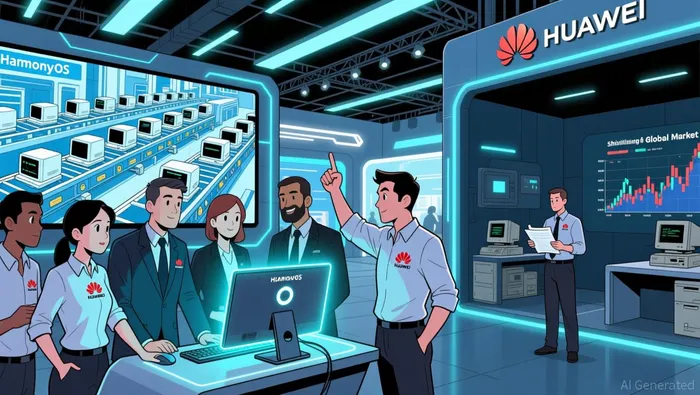
Why Is Huawei's HarmonyOS Gaining Traction in the PC Market in 2026?
Huawei's HarmonyOS is carving out a unique position in the global tech landscape by offering a closed ecosystem that integrates across devices and delivers a streamlined user experience. Unlike Windows and ChromeOS, which often require third-party software and hardware for cross-device compatibility, HarmonyOS is designed for seamless integration from the start. This allows Huawei to optimize performance and usability across phones, tablets, smartwatches, and PCs, making it an attractive alternative for users who want an integrated computing experience according to market analysis. The platform is particularly appealing in cost-sensitive regions, where rising memory and storage prices have reduced the appeal of low-end Windows and ChromeOS PCs. As a result, HarmonyOS is gaining ground in markets where affordability is a major concern as reported.
What Does the RAM Shortage Mean for Smartphone Makers in 2026?
The RAM shortage is having a profound impact on the smartphone market in 2026, with manufacturers struggling to secure sufficient components for production. As demand for AI-driven computing grows, so does the need for more memory and storage, putting upward pressure on prices. Some Android manufacturers, like OPPO and vivo, have responded by raising prices on existing models, while Apple is maintaining pricing stability through strong supply chain management according to Reuters. This has allowed Apple to increase its market share in China despite an overall 4% contraction in the region's smartphone market. For Huawei, the situation is different: the company is benefiting from its reliance on domestic suppliers, which offer lower-cost memory chips, giving it a competitive edge in the low-to-mid-end market as reported by The Weekly Journal.
What Are the Key Investment Implications of Huawei's Growth Strategy?
Huawei's growth strategy in the PC and smartphone markets is attracting significant investor attention. The company's ability to leverage its ecosystem and cross-device integration is a major strength, particularly in a market where rising memory costs are pushing lower-end vendors out of the sector. This is allowing Huawei to expand into the mid-range PC segment with a unique value proposition. Meanwhile, in the smartphone space, the company is positioned to benefit from the RAM shortage by offering more cost-effective devices that appeal to budget-conscious consumers. For investors, this represents an opportunity to capitalize on Huawei's resilience in a challenging market environment. However, the broader industry trends—such as the prolonged RAM shortage and rising production costs—also present risks that must be carefully managed as industry analysts note.
What Should Investors Watch for in the Coming Months?
As 2026 progresses, there are several key developments that investors should keep an eye on. First, the performance of Huawei's HarmonyOS in the PC market will be a critical indicator of its long-term viability. If the platform continues to gain traction, it could signal a shift in consumer preferences toward integrated, ecosystem-based computing. Second, the smartphone market will remain under pressure due to the RAM shortage, and how different manufacturers respond—whether by raising prices, absorbing costs, or passing them on to consumers—will shape market dynamics. Apple's ability to maintain pricing stability and expand its share in China is a positive sign, while Huawei's cost advantage in the low-to-mid-end segment could provide a strong counterbalance to higher-end growth. Finally, the broader memory market and its impact on consumer electronics will be a key factor to monitor, especially as AI data centers continue to drive demand for components according to AndroidHeadlines.

Stay ahead of the market.
Get curated U.S. market news, insights and key dates delivered to your inbox.


AInvest
PRO
AInvest
PRO



Comments
No comments yet