
Huawei's HarmonyOS Gains Ground in PCs Amid Market Downturn: Why This Shift Matters for Investors
 Aime Summary
, .
Rising memory and storage costs are straining low-end PC vendors, but Huawei's ecosystem integration and focus on cost-sensitive markets give it a competitive edge.
, while Android competitors like OPPO and Vivo raised prices to offset costs.
.
, with Huawei and Xiaomi both positioning themselves to gain ground in the low- and mid-end segments.
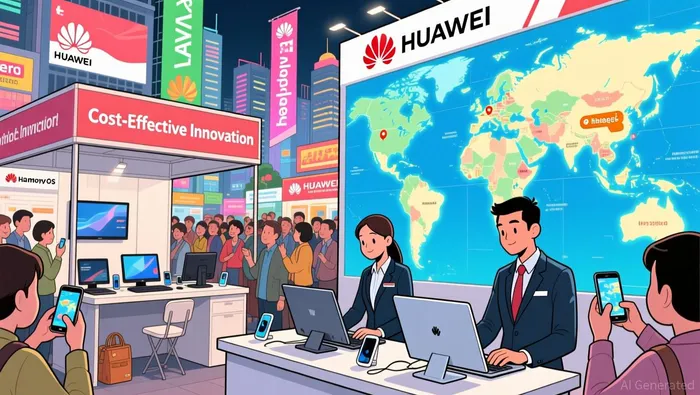
Huawei's HarmonyOS is carving out a unique position in the global tech landscape. While the overall PC market is expected to contract, the company is defying industry trends with an aggressive push into desktop and laptop computing. HarmonyOS PC shipments are forecast to jump from 141,000 units in 2025 to a . This surge is driven by Huawei's ecosystem integration and targeted expansion into cost-sensitive markets, where rising component prices have weakened the appeal of low-cost Windows and ChromeOS PCs.
Meanwhile, AppleAAPL-- is leveraging its strong supply chain to absorb rising memory costs and maintain pricing stability in China, where . Unlike Android manufacturers, which have raised prices in response to the memory crisis, Apple is using the situation to expand its market share. Huawei, too, could benefit from its reliance on domestic suppliers, giving it a cost advantage in the low- to mid-end segments.
What Is Huawei's Strategy Behind the Growth of HarmonyOS in PCs?
Huawei is leveraging its ecosystem strategy to drive HarmonyOS adoption across devices. The operating system, first introduced in 2019, transitioned to a fully independent version—HarmonyOS Next—in 2024. This move enables seamless integration across phones, tablets, smartwatches, and now, PCs. Analysts see this as a key differentiator in a market where affordability and cross-device compatibility are becoming more important.
Unlike Windows and ChromeOS, which rely on third-party software and hardware, HarmonyOS is designed for a closed ecosystem. This allows Huawei to optimize performance and user experience across all device categories, potentially making it an attractive alternative for users who want a streamlined, integrated computing experience.
How Is the Memory Chip Shortage Affecting Smartphone and PC Markets?
The global memory chip shortage has had a ripple effect across the electronics industry. In the smartphone segment, companies like OPPO and Vivo have announced price hikes to offset rising costs, while smaller players like Meizu have even paused hardware development. According to reports, the PC market is not immune either—rising prices for memory and storage components are pushing low-end vendors out of the market.
Despite these headwinds, Huawei is gaining ground. Its focus on the lower to mid-range market, where it has a cost advantage, is helping it weather the downturn. Apple, too, is using its strong supply chain to maintain pricing stability, giving it a competitive edge over Android manufacturers who are passing costs to consumers.
Looking ahead, , forcing manufacturers to make difficult choices between protecting margins, managing costs, and hitting shipment targets. For investors, this means that companies with strong supply chain control—like Apple and Huawei—may outperform in a challenging market.

Stay ahead of the market.
Get curated U.S. market news, insights and key dates delivered to your inbox.


AInvest
PRO
AInvest
PRO



Comments
No comments yet