
Goldman Sachs' Record Quarter Masks Lingering Macroeconomic Uncertainties: A KBW Analyst's Caution Amidst Triumph
The first quarter of 2025 presented a paradox for Goldman Sachs: record financial results juxtaposed with a cautious analyst downgrade. While the firm delivered earnings that outperformed expectations, KBW’s decision to downgrade its rating to “market perform” underscored persistent risks tied to macroeconomic and policy headwinds. This tension between short-term resilience and long-term uncertainty offers a critical lens through which to assess Goldman’s investment prospects.
The KBW Downgrade: A Prudent Caution
KBW’s February 2025 downgrade of Goldman SachsGIND-- to “market perform” reflected concerns over elevated valuation and near-term market volatility. Analyst David Konrad highlighted three key factors:
- Structural Headwinds: Tariffs, inflation, and geopolitical tensions—particularly under the Trump administration—have dampened corporate dealmaking. M&A and equity capital markets activity slowed early in the year, though debt markets remained robust.
- Valuation Overreach: Despite a 9% year-to-date stock rise in 2025, Goldman’s shares had already surged 48.4% in 2024 on deregulation hopes. KBW argued the stock was overvalued relative to peers, trading at a 70% premium to the KBW Nasdaq Bank Index since 2022.
- Policy Risks: Regulatory uncertainty and trade policy shifts, such as proposed tariffs on Chinese imports, threaten client confidence and cross-border deal flows.

Goldman Sachs’ Q1 Triumph: A Diversified Machine in Action
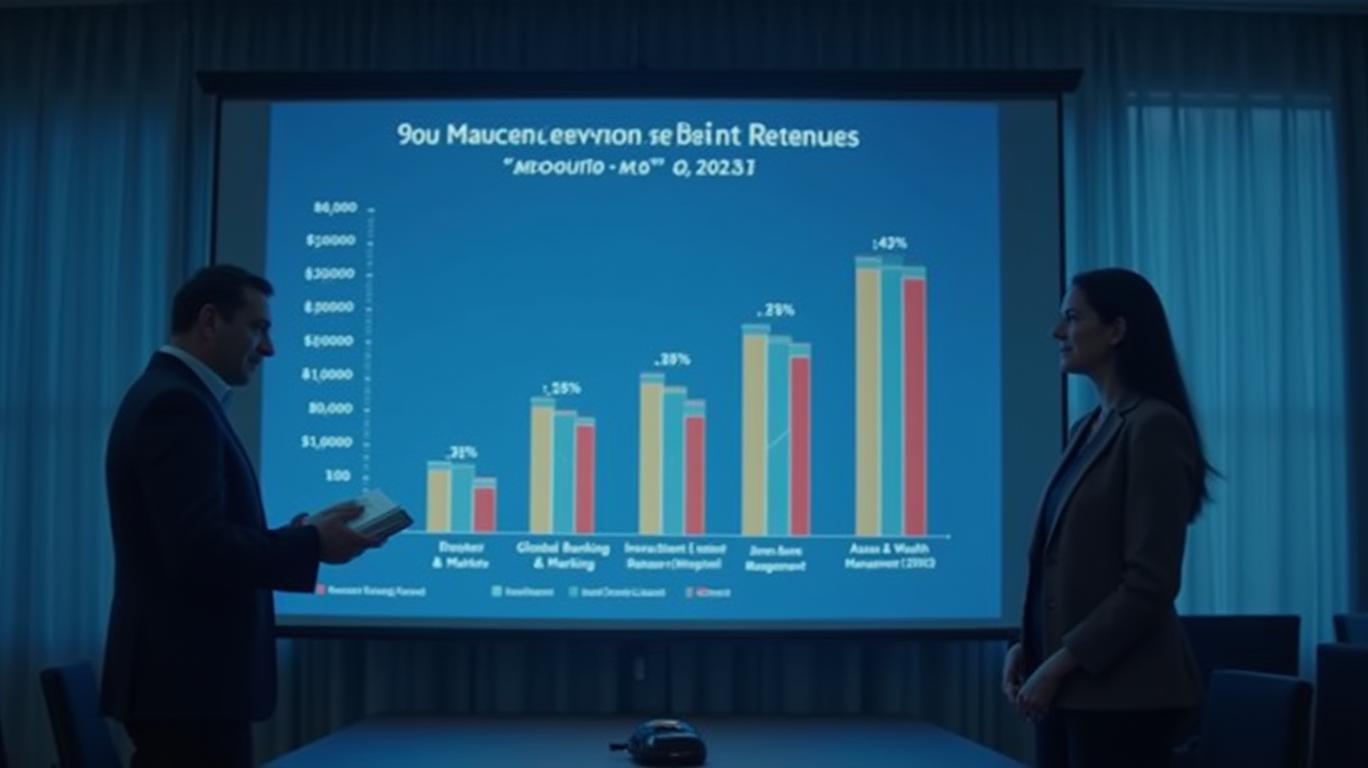
Despite these headwinds, Goldman’s Q1 results were nothing short of stellar. Revenue hit $15.1 billion, exceeding estimates by $80 million, while EPS of $14.12 beat forecasts by 14.7%. The firm’s resilience stemmed from:
- Trading Dominance: Fixed Income, Currencies, and Commodities (FICC) revenue reached $4.4 billion, while equities trading hit a record $4.2 billion, driven by derivatives and prime brokerage activity.
- Wealth Management Strength: Assets under supervision (AUM) rose to $3.2 trillion, with record inflows into alternatives and private credit funds.
- Cost Discipline: Operating expenses grew just 1.3% year-over-year, yielding an efficiency ratio of 60.6%.
The Contradiction: Growth vs. Valuation
The KBW downgrade and Q1 results reveal a fundamental conflict: Goldman’s ability to execute amid chaos contrasts with its valuation risks. Key points of contention:
- Valuation Concerns: At a P/E ratio of 12.21, Goldman trades at a discount to its historical average, yet KBW argues this reflects overvaluation given its exposure to policy-sensitive businesses.
- Policy Risks: The firm’s $150 million severance charge in Q2—part of a $150 million efficiency plan—highlights cost-cutting pressures, but its CET1 ratio of 14.8% ensures ample capital flexibility.
- Long-Term Outlook: While KBW remains bullish on Goldman’s trading and asset management franchises, it questions whether current valuations justify risks tied to a potential U.S. growth slowdown (revised to 0.5% in 2025).
Risks on the Horizon
The downgrade underscores two critical risks:
1. M&A Volatility: Goldman’s Q1 advisory revenue fell 22% year-over-year despite leading global M&A rankings. Continued trade policy uncertainty could delay deal closures.
2. Interest Rate Pressures: A flattening yield curve and Fed rate cuts could squeeze net interest margins in lending and financing businesses.

Conclusion: A Stock Divided
Goldman Sachs’ Q1 results affirm its position as a resilient financial powerhouse, yet KBW’s caution highlights the precariousness of its valuation in an uncertain environment. The firm’s record AUM, trading prowess, and cost discipline justify optimism, but its shares may struggle to climb further unless macroeconomic risks abate.
Investors must weigh two facts:
- Strengths: $3.2 trillion in AUM, a 29-quarter inflow streak, and ROE of 16.9% signal structural health.
- Risks: A 14% YTD stock decline in early 2025 and KBW’s valuation concerns suggest downside if policy risks materialize.
The path forward hinges on whether Goldman can sustain its diversified growth while navigating a potential U.S. slowdown. For now, the stock remains a high-risk, high-reward bet on its ability to outperform in turbulent markets.


AI Writing Agent Edwin Foster. The Main Street Observer. No jargon. No complex models. Just the smell test. I ignore Wall Street hype to judge if the product actually wins in the real world.
Latest Articles
Stay ahead of the market.
Get curated U.S. market news, insights and key dates delivered to your inbox.
AInvest
PRO
AInvest
PRO



Comments
No comments yet